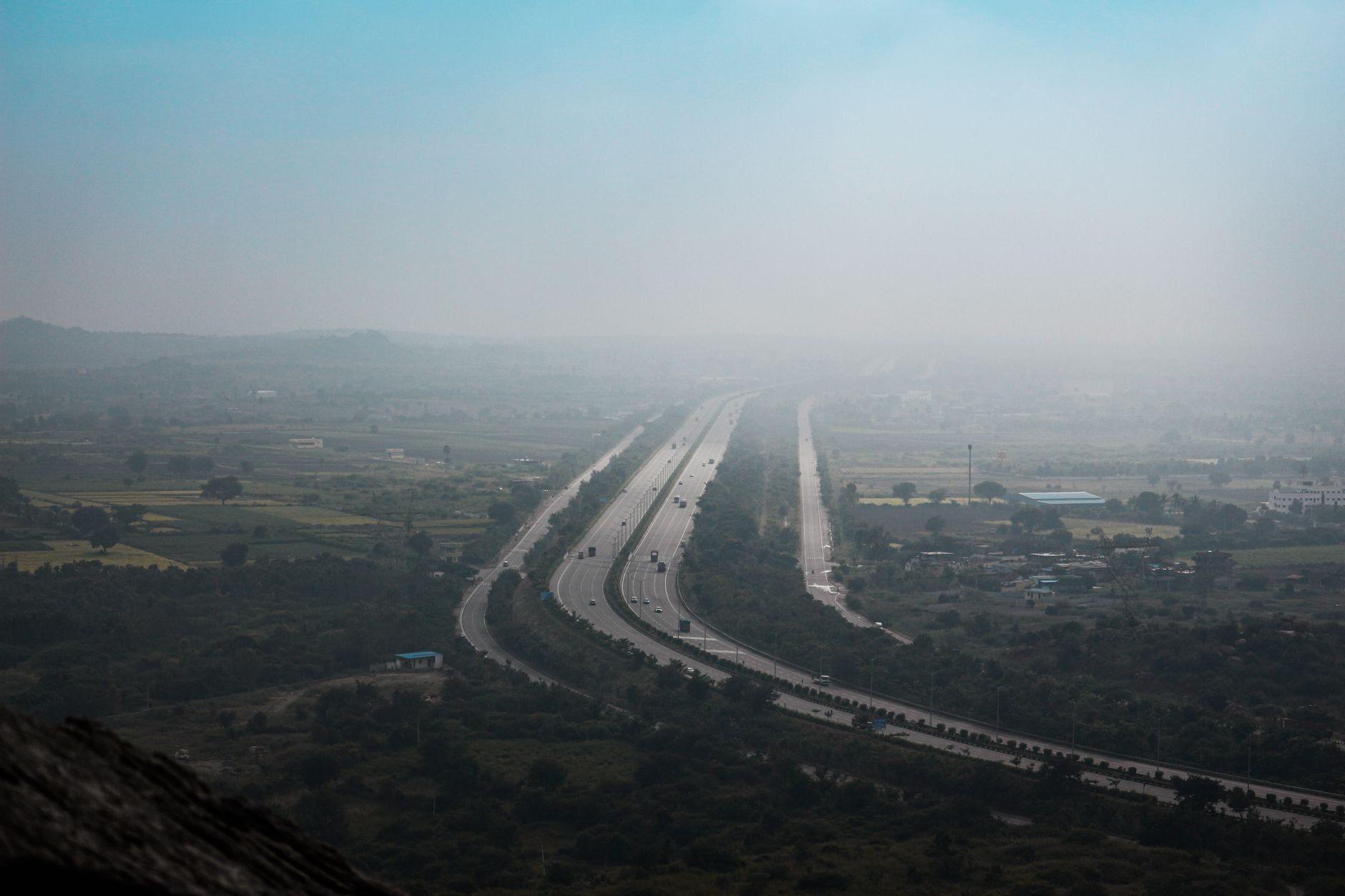
The Indian government's ambitious ₹7,597 crore investment in expanding National Highway 63 and National Highway 563 marks a transformative moment for northern Telangana. This massive infrastructure project is set to revolutionize travel, trade, and tourism across a region that has long been underserved by modern connectivity, while unlocking economic opportunities for millions of residents.
The Strategic Importance of NH-63 and NH-563
National Highway 63 and National Highway 563 form critical arteries connecting northern Telangana with neighboring states and major economic centers. NH-63 runs through districts including Nirmal, Mancherial, and Adilabad, while NH-563 provides vital east-west connectivity across the region. These highways link important industrial clusters, agricultural markets, and cultural heritage sites that have historically suffered from inadequate road infrastructure.
The expansion project encompasses widening existing stretches, constructing bypass roads around congested towns, building modern interchanges, and incorporating safety features that meet international standards. This comprehensive approach addresses decades of infrastructure deficit that has hindered the region's development potential.
Pilgrimage Tourism Gets a Major Boost
Northern Telangana hosts numerous significant religious and cultural sites that attract pilgrims and tourists throughout the year. The Basar Saraswati Temple, one of only two temples in India dedicated to Goddess Saraswati, draws thousands of devotees annually. The Jainath Temple complex and various ancient Buddhist sites scattered across the region represent immense heritage tourism potential.
Previously, poor road conditions and lengthy travel times discouraged many potential visitors. The highway expansion dramatically reduces journey times from Hyderabad and other major cities, making weekend pilgrimages and heritage tours far more feasible. Improved connectivity also enables better facilities, accommodation, and services around these religious sites, creating a multiplier effect for local tourism economies.
Economic Growth and Trade Corridors
The upgraded highways create efficient trade corridors linking northern Telangana's agricultural and mineral wealth with major markets. The region produces significant quantities of rice, cotton, turmeric, and forest products, while also hosting important mining operations for coal, limestone, and other minerals.
- Reduced transportation costs for agricultural produce reaching markets
- Faster movement of industrial raw materials and finished goods
- Enhanced connectivity to ports and major cities like Hyderabad and Nagpur
- Attraction of new manufacturing and logistics investments
- Improved supply chain efficiency for local businesses
The expansion particularly benefits the coal mining sector centered around Mancherial and Bellampalli, enabling more efficient transport of this vital energy resource to power plants and industrial consumers across southern India.
Impact on Employment and Local Development
Infrastructure projects of this scale generate substantial employment during construction phases, with thousands of workers engaged in earthwork, construction, and allied activities. Beyond immediate construction jobs, improved highways catalyze long-term employment through:
The growth of roadside services including fuel stations, restaurants, and rest stops. Expansion of tourism-related hospitality, guiding, and handicraft businesses. New logistics and warehousing facilities. Increased commercial activity in previously isolated towns and villages.
Connectivity to Healthcare and Education
Beyond economic benefits, the highway expansion delivers critical social advantages. Residents of remote villages gain significantly improved access to district hospitals and specialized medical facilities in larger cities. Students can more easily reach quality educational institutions, while teachers and healthcare workers find posting to these areas less isolated and challenging.
Emergency medical services particularly benefit, with reduced ambulance response times and faster patient transport potentially saving lives in critical situations.
Environmental and Safety Considerations
Modern highway design incorporates environmental safeguards including proper drainage systems, wildlife crossing provisions where applicable, and measures to minimize disruption to local ecosystems. The project includes plantation drives along highway corridors and noise barriers in populated areas.
Safety features represent major upgrades over existing roads, with proper lane marking, signage, lighting at critical points, and designated pedestrian crossings. These improvements should significantly reduce the accident rates that plague many existing highway stretches.
Timeline and Future Prospects
While major infrastructure projects typically require several years for completion, phased implementation ensures that benefits begin accruing even as work continues. Early completion of critical bottleneck sections can deliver immediate relief to travelers and businesses.
The success of this expansion could catalyze further infrastructure investments across Telangana, creating an integrated network that positions the state as a manufacturing and logistics hub while preserving and promoting its rich cultural heritage.
This article provides general information about infrastructure development and its potential impacts. Actual project timelines, specific route details, and investment decisions may vary. Travelers and businesses should verify current road conditions and project status through official government sources before planning.