The BRICS bloc—comprising Brazil, Russia, India, China, and South Africa—has announced plans to establish a dedicated expert working group focused on Traditional, Complementary and Integrative Medicine (TCIM). This initiative reflects growing international recognition of traditional healing practices and their potential role in modern healthcare systems.
Understanding TCIM and Its Global Significance
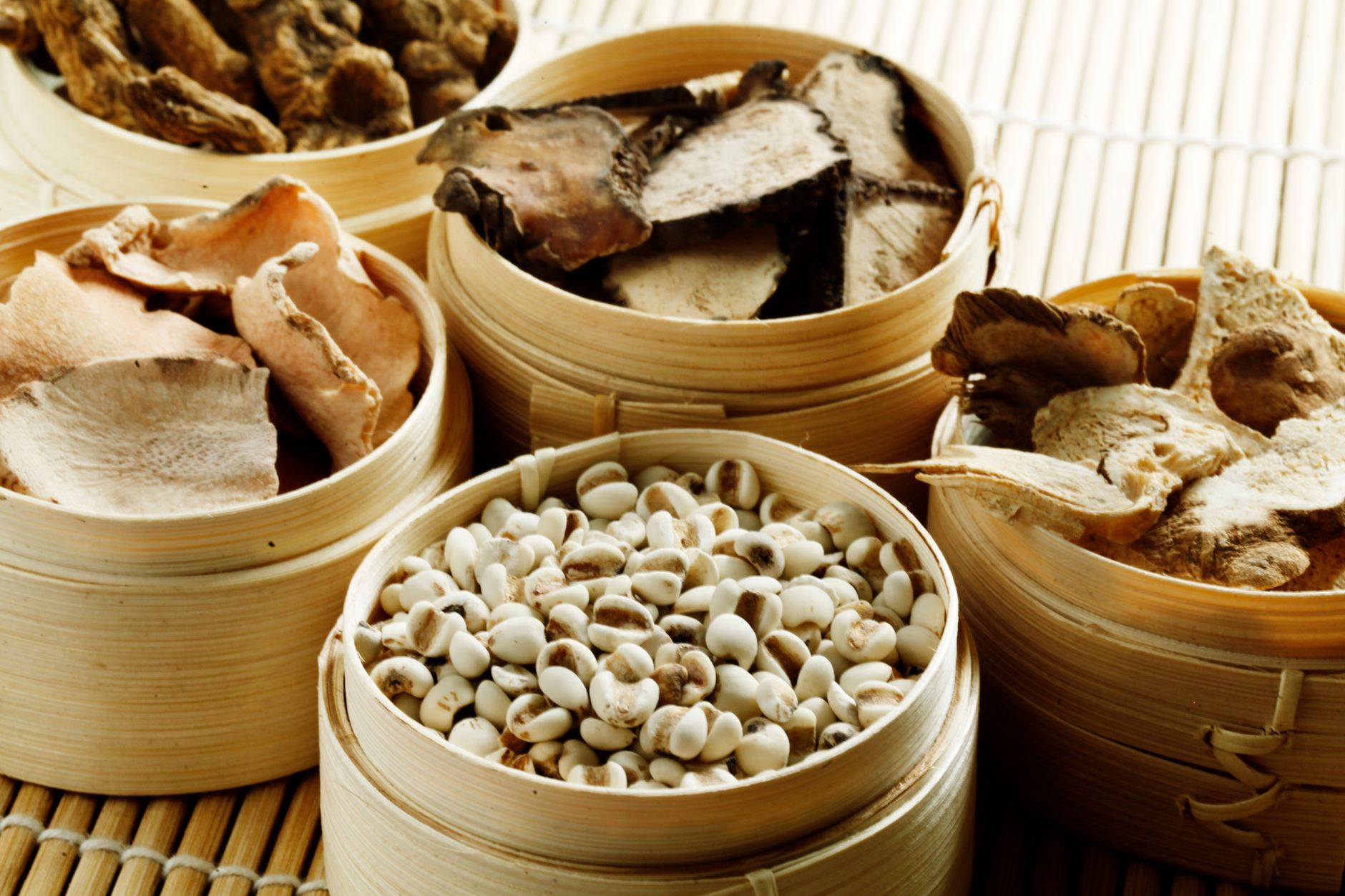
Traditional, Complementary and Integrative Medicine refers to healthcare practices that exist outside conventional Western medicine or are used alongside it. These include Ayurveda from India, Traditional Chinese Medicine, homeopathy, naturopathy, yoga, and various indigenous healing systems. The World Health Organization estimates that approximately 80 percent of the global population relies on traditional medicine for some aspect of their primary healthcare needs.
The BRICS nations collectively represent over 40 percent of the world's population and host some of the most ancient and well-documented traditional medicine systems. India's Ayurveda dates back over 5,000 years, while Traditional Chinese Medicine has a similarly rich history. This makes the BRICS grouping uniquely positioned to lead global efforts in standardizing, researching, and promoting these healthcare approaches.
Why BRICS Is Focusing on Traditional Medicine
Several factors are driving this collaborative effort among BRICS nations:
- Growing healthcare costs in conventional medicine make affordable traditional alternatives increasingly attractive
- Rising interest in preventive healthcare and wellness-focused approaches
- Cultural preservation of indigenous knowledge and healing practices
- Potential for pharmaceutical research and development based on traditional formulations
- Opportunities for medical tourism and economic development
- Need for healthcare solutions in rural and underserved areas where access to modern facilities is limited
The COVID-19 pandemic also highlighted the value of traditional immunity-boosting practices and herbal remedies, with many people turning to traditional systems for preventive care and mild symptom management.
What the Expert Working Group Will Do
The proposed expert working group is expected to facilitate cooperation across multiple dimensions. This includes developing common standards for TCIM education and practice, creating frameworks for research validation using modern scientific methods, and establishing protocols for quality control in traditional medicine products.
The group will likely work toward mutual recognition of traditional medicine qualifications among member nations, enabling practitioners to work across borders more easily. It may also focus on creating shared databases of medicinal plants and traditional formulations, protecting traditional knowledge from unauthorized commercial exploitation, and promoting evidence-based research into the efficacy of traditional treatments.
India's Leadership Role
India is particularly well-positioned to lead within this framework, given its Ministry of AYUSH (Ayurveda, Yoga and Naturopathy, Unani, Siddha and Homoeopathy) which already governs traditional medicine systems at the national level. The country has invested heavily in research institutions, educational programs, and regulatory frameworks for traditional medicine.
Indian initiatives such as the National Medicinal Plants Board and numerous research councils dedicated to traditional systems provide a model that other nations can study and adapt. India has also been actively promoting its traditional systems globally, including through dedicated wellness visas and international collaboration programs.
Challenges and Opportunities
Despite the promise of this collaboration, several challenges remain. Scientific validation of traditional practices requires significant investment in research infrastructure and trained personnel. Standardization across diverse systems of medicine presents both technical and cultural difficulties. Issues of intellectual property rights and benefit-sharing from traditional knowledge require careful negotiation.
However, the opportunities are substantial. The global market for traditional and herbal medicine is growing rapidly, estimated to reach hundreds of billions of dollars in the coming decade. Successful collaboration among BRICS nations could establish international standards that shape the global TCIM industry.
Looking Ahead
The formation of the BRICS expert working group represents a significant institutional step toward mainstreaming traditional medicine in global healthcare. As chronic lifestyle diseases become more prevalent and healthcare systems worldwide face sustainability challenges, integrative approaches that combine the best of traditional and modern medicine may offer practical solutions.
For India specifically, this collaboration enhances its soft power and creates economic opportunities in sectors ranging from medical tourism to pharmaceutical exports. The coming months will reveal more details about the working group's structure, priorities, and timeline for achieving its objectives.
This article is for general informational purposes only and does not constitute medical advice. Readers should consult qualified healthcare professionals before making decisions about their health or treatment options.