
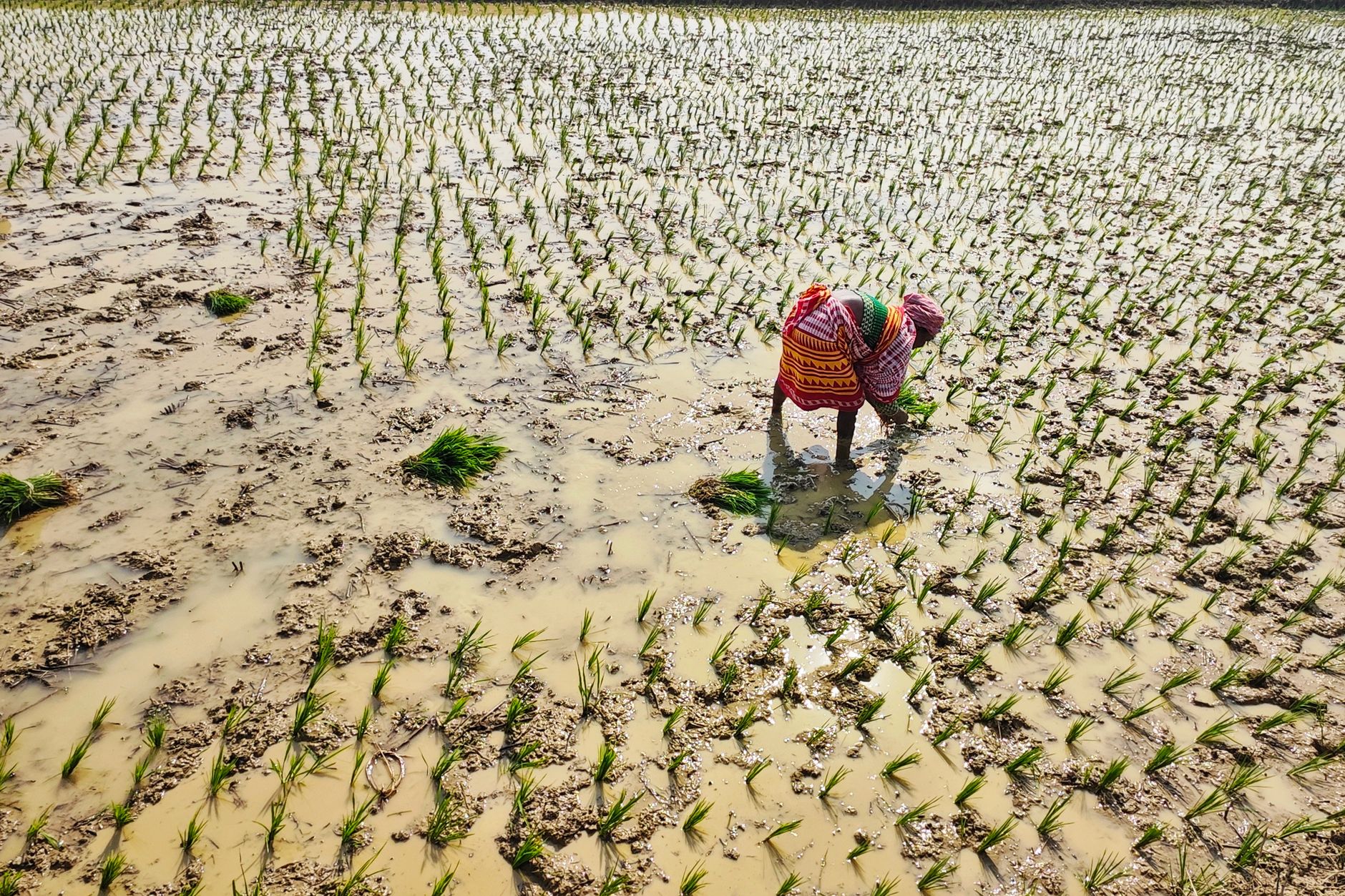
The Indian farmer's relationship with the monsoon has always been one of reverence and anxiety. Despite decades of irrigation expansion, nearly 52 percent of India's cultivated area remains rain-fed, making monsoon patterns critical to agricultural output and farmer livelihoods. With climate change introducing greater variability in rainfall timing and intensity, the question of whether better seeds can reduce this vulnerability has moved from agricultural research centers to investment portfolios.
The Monsoon Dependency Challenge
India's monsoon determines not just crop yields but the economic fortunes of hundreds of millions of people. A delayed monsoon can push sowing dates back, reducing growing seasons. Excess rain causes waterlogging and crop damage. Deficit rainfall leads to drought stress and crop failure. These weather extremities have intensified in recent years, with farmers facing either too much rain or too little, rarely the optimal amount at the right time.
Traditional seed varieties were developed for relatively stable climate patterns. When rainfall deviates significantly from historical norms, these varieties often fail to perform, leaving farmers with reduced harvests and mounting debt. The economic impact ripples through rural economies, affecting everyone from agricultural laborers to small business owners.
The Seed Technology Revolution
Modern seed technology offers several promising solutions to weather variability. Drought-tolerant varieties can maintain yields even when rainfall is 20-30 percent below normal. These seeds feature deeper root systems, improved water retention capabilities, and genetic modifications that allow plants to survive extended dry periods.
Conversely, flood-tolerant seeds help crops survive waterlogging for up to two weeks, a critical advantage in areas prone to heavy rainfall or poor drainage. Rice varieties with submergence tolerance have already proven successful in eastern India, helping farmers recover from flood events that would have destroyed conventional crops entirely.
Short-duration varieties represent another innovation, allowing farmers to complete crop cycles in 90-100 days rather than 120-140 days. This flexibility enables farmers to adjust planting schedules based on actual monsoon arrival rather than predicted dates, reducing the risk of crop failure due to early season drought or late-season moisture stress.
Investment Opportunities in Seed Technology
The seed industry in India presents several investment avenues. Established seed companies are investing heavily in research and development, using both conventional breeding and biotechnology to develop climate-resilient varieties. These companies offer relatively stable returns as farmers increasingly recognize the value proposition of premium seeds.
Agricultural biotechnology startups represent higher-risk, higher-reward opportunities. These companies work on gene editing technologies, artificial intelligence-driven breeding programs, and precision agriculture solutions that complement advanced seed varieties. While more volatile, successful startups in this space can deliver substantial returns as they scale.
Investment in seed production infrastructure also merits attention. Quality seed production requires specialized facilities, cold storage, and distribution networks. Companies operating in this segment benefit from recurring demand as farmers must purchase fresh seeds regularly for optimal results.
Ground-Level Realities and Limitations
Despite technological advances, several factors limit seed technology's ability to completely solve the monsoon problem. Advanced seeds typically cost two to five times more than traditional varieties. For small and marginal farmers operating on tight budgets, this upfront cost remains prohibitive without adequate credit access or government subsidies.
Distribution challenges persist in remote areas where improved seeds may not reach farmers in time for planting seasons. The seed replacement rate—the proportion of farmers using certified seeds rather than farm-saved seeds—remains below 35 percent for most crops in India, indicating significant adoption barriers.
Moreover, seeds alone cannot address all climate-related challenges. Extreme weather events like hailstorms, unseasonal frost, or pest outbreaks require complementary solutions including crop insurance, integrated pest management, and improved agronomic practices.
The Investment Thesis
For investors, the seed technology sector offers exposure to a fundamental challenge facing Indian agriculture. As climate variability increases, farmers will have little choice but to adopt resilient varieties, creating sustained demand growth. Government initiatives promoting climate-smart agriculture provide policy tailwinds, while increasing farmer awareness drives adoption.
However, investment success requires understanding that seed technology is one component of a broader solution. Companies offering integrated solutions—seeds combined with agronomic advice, crop insurance, and market linkages—are better positioned than pure-play seed companies.
The monsoon problem cannot be "solved" entirely by seeds, but better genetics can significantly reduce weather-related income volatility for farmers. For investors, this represents an opportunity to generate returns while contributing to agricultural sustainability and rural prosperity.
This article is for general informational purposes only and should not be construed as investment advice. Investors should conduct thorough due diligence and consult with qualified financial advisors before making investment decisions in agricultural technology or any other sector.