
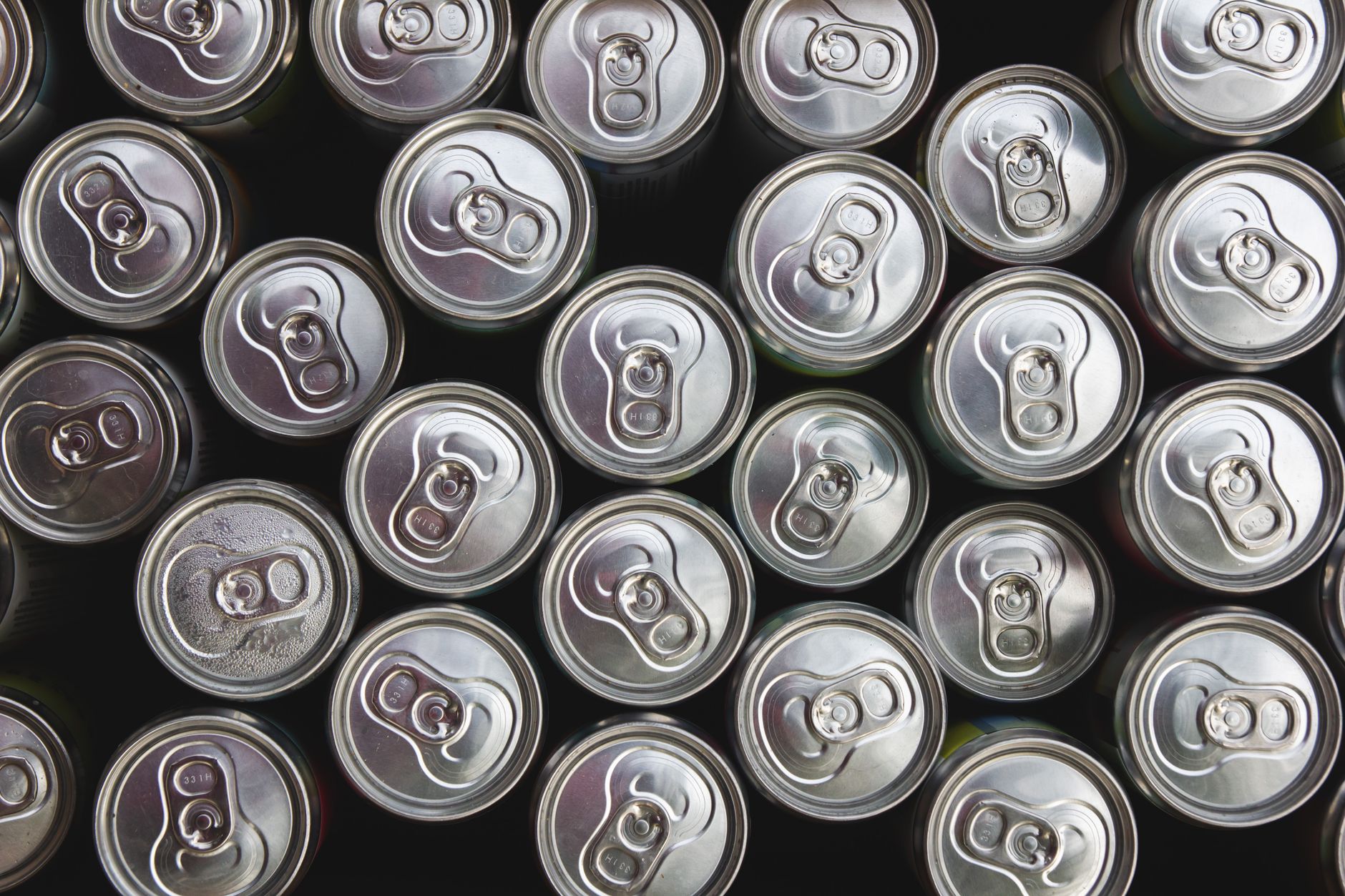
The global beverage industry faces a critical crossroads as aluminium can prices fluctuate and supply chain disruptions persist. This has prompted manufacturers, retailers, and investors to reconsider glass bottles as a viable alternative, raising important questions about the future of packaging investments and commodity markets.
The Aluminium Crunch Driving Change
Aluminium cans have dominated beverage packaging for decades due to their lightweight nature, recyclability, and cost-effectiveness. However, recent geopolitical tensions, energy costs affecting smelting operations, and increased demand from various industries have created price volatility. Aluminium prices have experienced significant swings, with production costs heavily tied to electricity expenses. For beverage companies operating on thin margins, these price fluctuations directly impact profitability.
China's dominance in aluminium production, combined with export restrictions and environmental regulations, has further tightened global supply. When major producers face capacity constraints, the ripple effects reach every corner of the beverage industry, from craft breweries to multinational soft drink manufacturers.
Glass as an Alternative: The Investment Case
Glass bottle production represents a mature industry with established infrastructure across multiple regions. Several factors make glass an attractive consideration for investors and manufacturers alike.
Glass offers genuine circular economy credentials. Unlike aluminium, which degrades slightly with each recycling cycle, glass can be recycled infinitely without quality loss. This appeals to environmentally conscious consumers and helps companies meet sustainability targets. Investment in glass recycling facilities has accelerated in markets like Europe and India, where regulatory pressure for sustainable packaging intensifies.
The raw materials for glass production—primarily silica sand, soda ash, and limestone—are abundantly available and geographically diversified. This reduces supply chain risks compared to aluminium's concentrated production. For investors, this translates to potentially more stable input costs and predictable long-term margins.
Economic and Practical Challenges
Despite these advantages, glass faces significant hurdles in replacing aluminium cans at scale. Weight remains the primary concern. Glass bottles are considerably heavier than aluminium cans, increasing transportation costs and carbon emissions during distribution. For beverage companies with extensive distribution networks, this weight penalty translates directly to higher logistics expenses.
The energy required to produce virgin glass is substantial, though recycling significantly reduces this footprint. Manufacturing facilities require significant capital investment, and the glass production process demands consistent high temperatures. For emerging markets like India, where energy costs vary regionally, this presents planning challenges.
Breakage and durability issues also factor into the equation. Glass requires more protective packaging during transport and handling, adding costs. Retailers must account for higher breakage rates, which affect inventory management and profitability calculations.
Market Segments and Opportunities
Certain beverage categories present more promising opportunities for glass adoption than others. Premium and craft beverages have successfully embraced glass, where the packaging itself contributes to brand positioning. Craft beer, premium spirits, and artisanal soft drinks often command price points that absorb glass packaging costs while benefiting from the premium perception glass conveys.
The wine and spirits industry has never abandoned glass, demonstrating that consumer acceptance exists when product positioning aligns with packaging choice. Health-conscious consumers increasingly prefer glass for perceived purity, avoiding concerns about can linings or plastic additives.
Investment Implications Across Sectors
For investors, this packaging debate creates opportunities across multiple sectors. Glass manufacturing companies, particularly those with efficient recycling operations, may see increased demand. Conversely, aluminium producers face pressure to stabilize pricing and secure supply chains.
Logistics and transportation companies must adapt to potentially heavier cargo profiles if glass adoption accelerates. Packaging machinery manufacturers serving the beverage industry could benefit from companies diversifying their bottling capabilities.
The secondary packaging sector—cardboard, protective materials, and crating systems—might experience shifts as glass requires different handling solutions than aluminium cans.
Regional Variations and India's Position
India's beverage market presents unique dynamics. Domestic glass production capacity exists, but quality standards and consistency vary. The country's growing middle class increasingly demands convenient, sustainable packaging. Investment in modern glass production facilities with integrated recycling could position Indian manufacturers advantageously.
Government policies around single-use plastics and extended producer responsibility regulations will significantly influence packaging choices. Investors should monitor regulatory developments that might favor or penalize specific materials.
The transition from aluminium cans to glass bottles cannot happen overnight or universally. The optimal solution likely involves a diversified packaging portfolio where each material serves specific product categories, distribution channels, and market segments based on economic and environmental considerations.
This article provides general information for educational purposes and should not be construed as specific investment advice. Readers should conduct thorough research and consult qualified financial advisors before making investment decisions.