
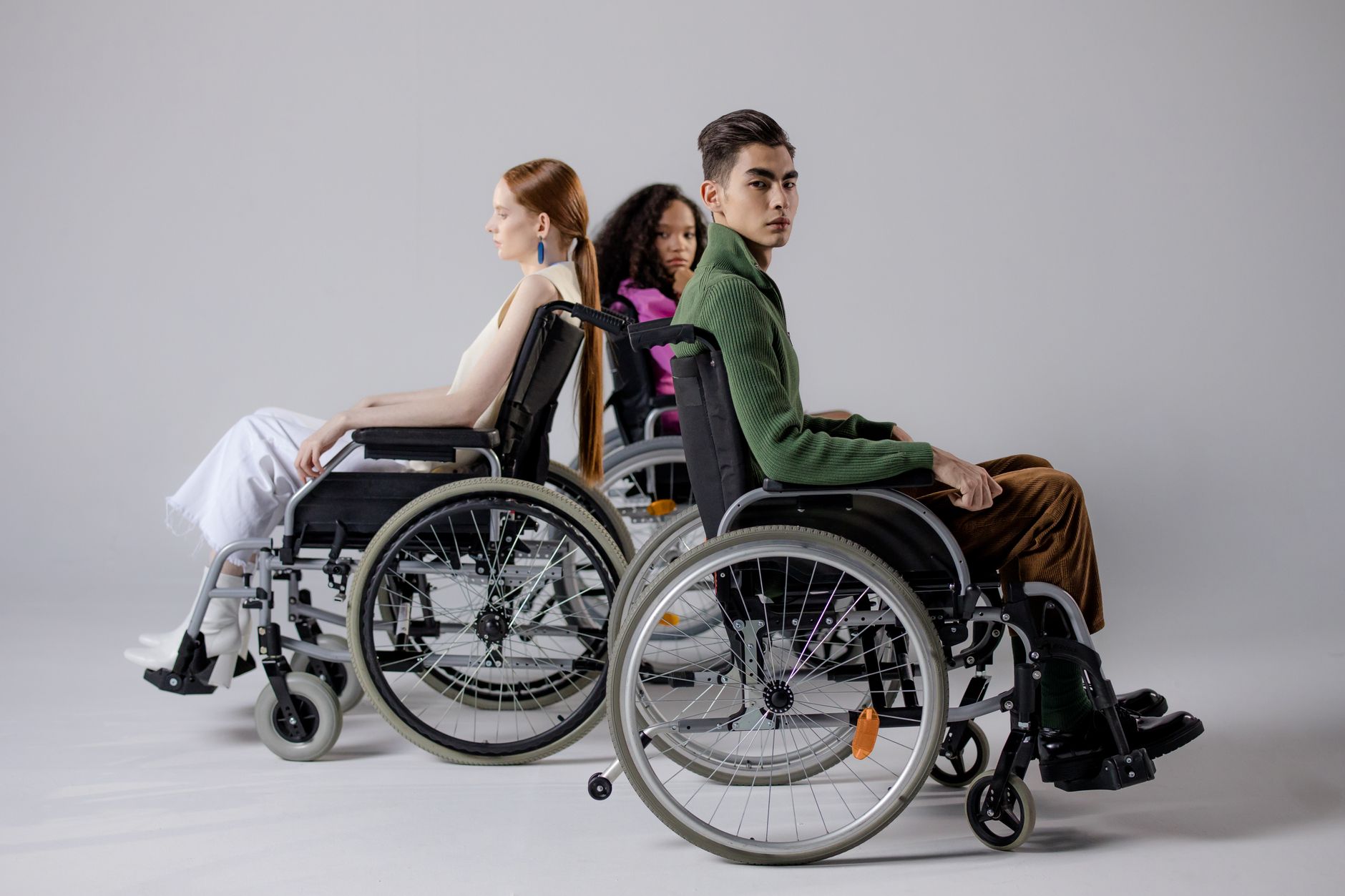
CBM India, a leading international development organization focused on improving the lives of persons with disabilities, recently advocated for disability-inclusive approaches to eye health at the VISION 2020 Conference. The intervention underscores a critical gap in India's eye care delivery system, where people with disabilities often face multiple barriers in accessing essential vision services.
The Intersection of Disability and Eye Health
People with disabilities experience eye health problems at significantly higher rates than the general population. Research indicates that individuals with intellectual disabilities, physical disabilities, or neurological conditions are more likely to have undiagnosed and untreated vision problems. This creates a compounding effect where existing disabilities are further complicated by preventable or treatable eye conditions.
The challenge is particularly acute in India, where approximately 62 million people live with visual impairment, and an estimated 8 million are blind. When disability intersects with vision loss, the impact on quality of life, education, employment, and social participation becomes exponentially more severe.
Barriers to Accessing Eye Care
Several systemic barriers prevent people with disabilities from receiving adequate eye health services:
- Physical accessibility issues at eye care facilities, including lack of ramps, accessible toilets, and examination equipment that accommodates wheelchairs
- Communication barriers for people with hearing or speech impairments, with limited availability of sign language interpreters
- Attitudinal barriers among healthcare providers who may lack training in serving patients with diverse disabilities
- Transportation challenges that make reaching eye care centers difficult for people with mobility impairments
- Financial constraints, as people with disabilities often face higher healthcare costs and lower employment rates
- Limited awareness among caregivers and family members about the importance of regular eye examinations for people with disabilities
The VISION 2020 Initiative
VISION 2020: The Right to Sight is a global initiative launched by the World Health Organization and the International Agency for the Prevention of Blindness. The program aims to eliminate avoidable blindness by addressing major causes of vision loss and strengthening eye care infrastructure worldwide.
In India, VISION 2020 has focused on tackling conditions like cataracts, refractive errors, glaucoma, diabetic retinopathy, and childhood blindness. However, the specific needs of people with disabilities have not always been adequately integrated into these broader eye health strategies.
What Disability-Inclusive Eye Care Means
Disability-inclusive eye care goes beyond simply treating eye conditions. It requires a comprehensive approach that considers:
- Adapting communication methods to suit individual needs, including using visual aids for people with hearing impairments or verbal descriptions for those with intellectual disabilities
- Providing training for eye care professionals on disability awareness and inclusive service delivery
- Ensuring physical infrastructure meets accessibility standards
- Offering flexible appointment systems that accommodate the additional time some patients may require
- Including people with disabilities in the planning and evaluation of eye health programs
- Coordinating with disability organizations and rehabilitation services for holistic care
The Path Forward
CBM India's advocacy at the conference represents an important step toward mainstreaming disability inclusion in eye health programs. For meaningful change to occur, several actions are necessary:
Government health policies must explicitly include disability-inclusive guidelines for eye care services. The National Program for Control of Blindness and Visual Impairment should integrate disability considerations into its planning and implementation frameworks.
Eye care institutions need to invest in accessibility upgrades and staff training. Medical and optometry colleges should incorporate disability-inclusive care into their curricula, preparing the next generation of eye health professionals to serve all patients effectively.
Community outreach programs must actively identify and reach people with disabilities who may not access services independently. Partnerships with disabled people's organizations can facilitate awareness campaigns and screening camps specifically designed for inclusive participation.
Data collection systems should capture information about disability status alongside eye health indicators, enabling better monitoring and targeted interventions for underserved populations.
Building an Inclusive Future
The push for disability-inclusive eye health reflects a broader shift toward universal health coverage that leaves no one behind. As India works toward eliminating avoidable blindness, ensuring that people with disabilities have equal access to prevention, treatment, and rehabilitation services is not just a matter of equity—it is essential for achieving public health goals.
By addressing the unique barriers faced by people with disabilities, India's eye care system can become truly universal, ensuring that everyone, regardless of their physical or cognitive abilities, has the opportunity to maintain healthy vision and participate fully in society.