India's tourism sector stands at a critical juncture, with industry experts highlighting the urgent need for comprehensive visa reforms and substantial infrastructure investment to position the country as a top global destination. The call from the World Travel & Tourism Council leadership underscores both the immense potential and existing barriers facing India's travel industry.
The Current State of Indian Tourism
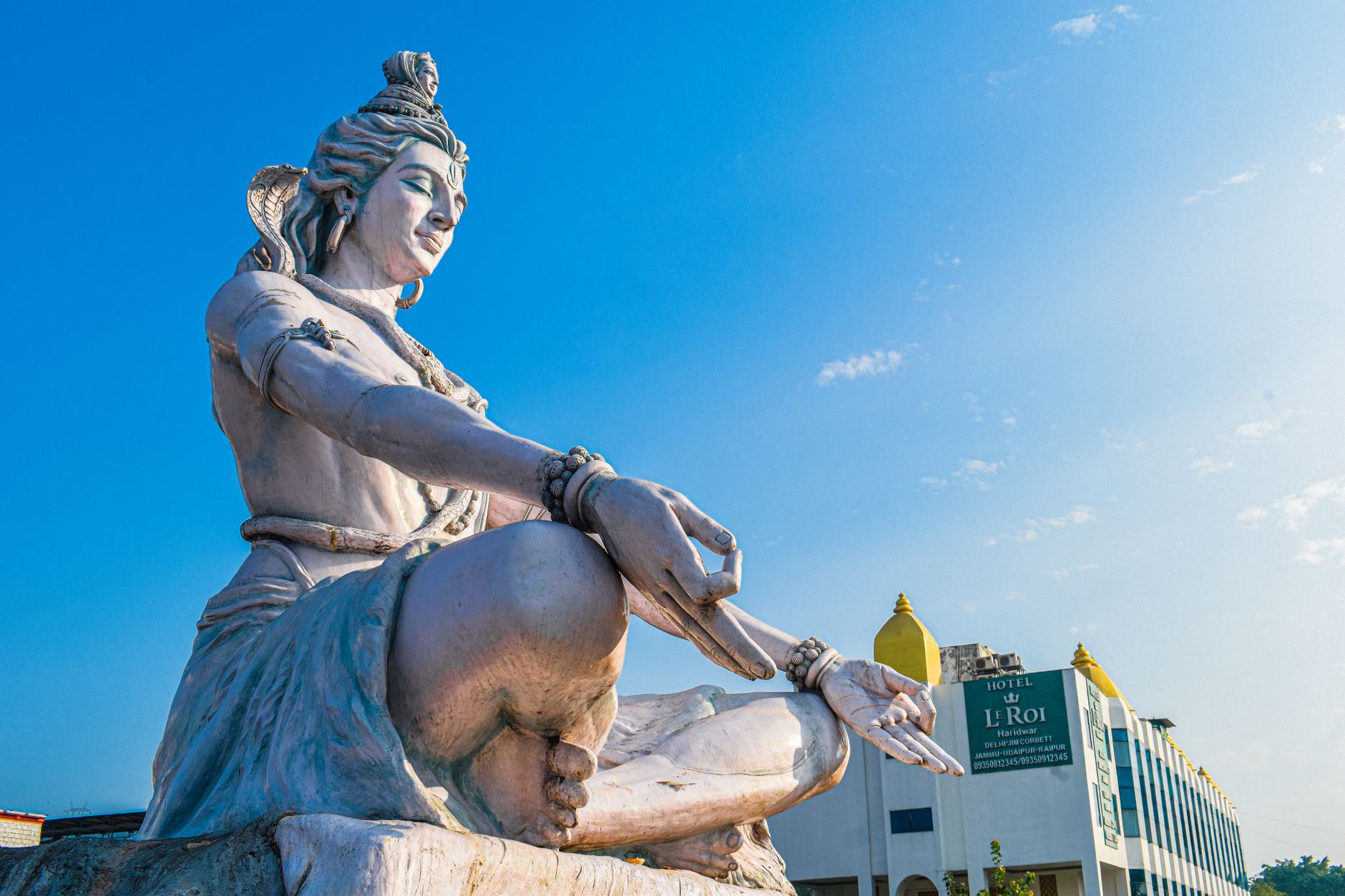
India welcomed approximately 9.2 million foreign tourists in 2023, a significant recovery from pandemic lows but still below pre-COVID levels. Despite being home to incredible cultural heritage, diverse landscapes, and 40 UNESCO World Heritage Sites, India captures only a small fraction of global tourism compared to destinations like Thailand, France, or the United Arab Emirates.
The tourism sector contributes roughly 6-7 percent to India's GDP and supports millions of jobs across hospitality, transportation, retail, and related services. However, industry analysts believe this contribution could double with the right policy interventions and infrastructure development.
Visa Barriers Holding Back Growth
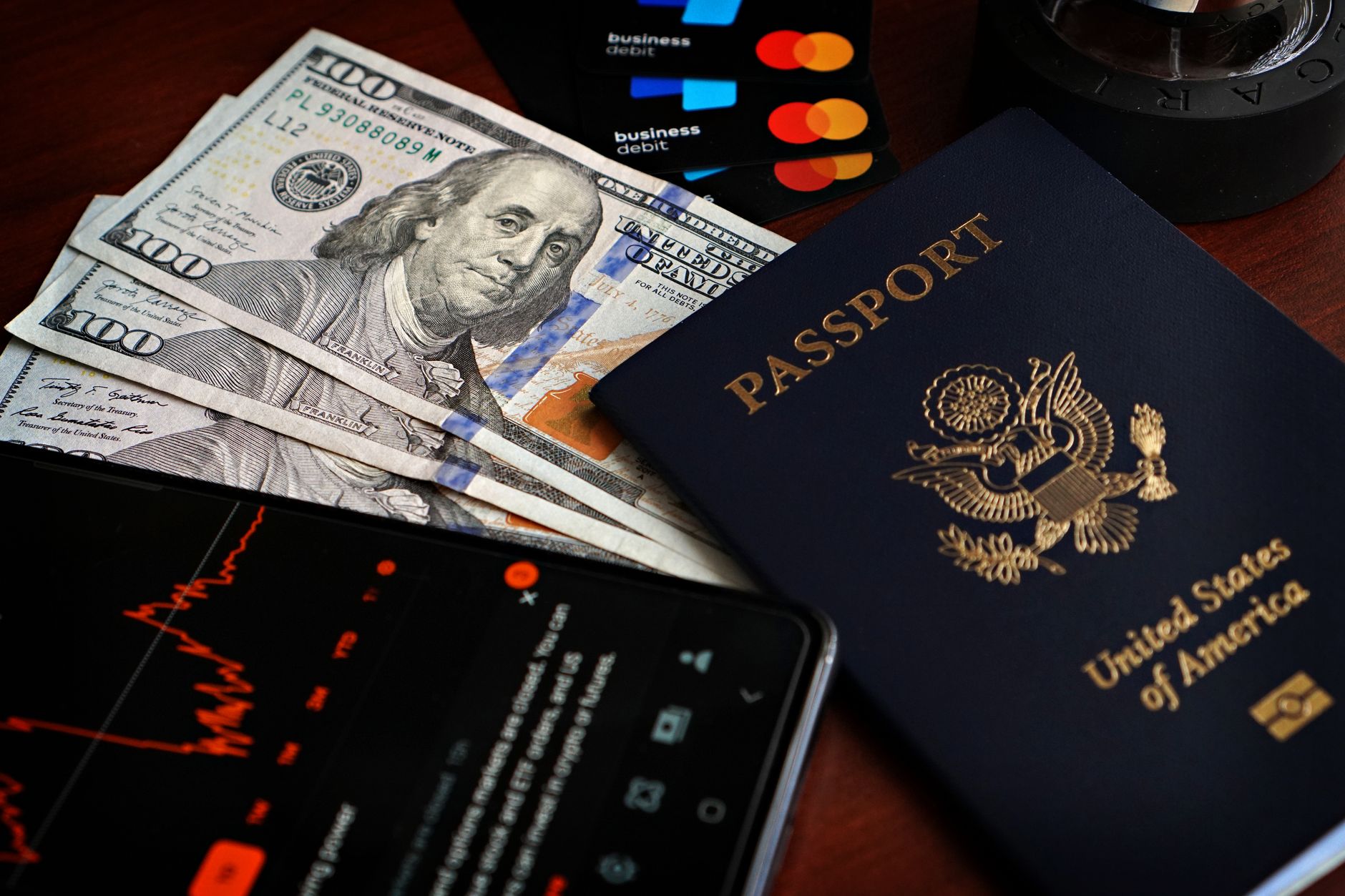
One of the most frequently cited obstacles for international tourists is India's visa process. While the e-visa facility introduced in 2014 marked a significant step forward, several challenges remain. Processing times can be unpredictable, the online application system sometimes experiences technical glitches, and the list of eligible countries, though expanded over the years, still excludes several key markets.
Travelers often compare India's visa requirements unfavorably with Southeast Asian neighbors offering visa-on-arrival or visa-free entry to numerous nationalities. Thailand, Indonesia, and Malaysia have implemented progressive visa policies that have demonstrably increased tourist arrivals.
The WTTC recommendations likely focus on expanding e-visa eligibility, streamlining approval processes, extending visa validity periods, and potentially introducing visa-on-arrival for more countries. Several tourism stakeholders have also advocated for multiple-entry tourist visas with longer validity to encourage repeat visits.
Infrastructure Investment Needs
Beyond visa facilitation, the physical infrastructure supporting tourism requires substantial upgrades. Key areas needing attention include:
- Airport capacity and connectivity, particularly for tier-2 and tier-3 cities near tourist attractions
- Road networks connecting major destinations, which remain inadequate in many regions
- Railway modernization to improve comfort and reliability for domestic and international travelers
- Hotel and accommodation standards, especially in emerging destinations
- Digital infrastructure including reliable internet connectivity at tourist sites
- Public amenities such as clean restrooms, signage in multiple languages, and accessible facilities
- Environmental management systems to handle increased tourist footfall sustainably
Economic Multiplier Effects
Investment in tourism infrastructure generates significant economic multiplier effects. Every rupee spent on tourism development typically generates additional income across multiple sectors. Local artisans, tour guides, drivers, restaurant workers, and small businesses all benefit from increased tourist arrivals.
The sector also promotes regional economic balance by channeling investment to smaller cities and rural areas with tourism potential, helping address the urban-rural divide. States like Rajasthan, Kerala, and Himachal Pradesh have demonstrated how tourism can become an economic engine for entire regions.
Global Competition and Best Practices
India faces stiff competition from neighboring countries that have prioritized tourism. China, before recent changes, had developed world-class tourism infrastructure. Dubai has transformed itself into a global hub through aggressive marketing and seamless visitor experiences. Even smaller nations like Sri Lanka and Nepal have carved out strong niche positions.
Successful tourism destinations typically combine ease of access, safety, value for money, unique experiences, and efficient infrastructure. India excels in cultural richness and diversity but must catch up in convenience and accessibility factors.
The Path Forward
Implementing comprehensive visa reforms and infrastructure investment requires coordination across multiple government departments, state governments, and private sector stakeholders. The Ministry of Tourism, Ministry of Home Affairs, airport authorities, and state tourism boards must work in concert.
Public-private partnerships could accelerate infrastructure development while ensuring commercial viability. Special tourism zones with streamlined regulations might attract both domestic and foreign investment in hotels, attractions, and supporting facilities.
Digital transformation of the entire tourism value chain—from visa applications to booking platforms to on-ground services—could significantly enhance visitor experiences while improving operational efficiency.
With its demographic dividend, growing middle class, and increasing global profile, India has a unique window of opportunity to establish itself as a premier tourism destination. Realizing this potential, however, demands bold policy reforms and sustained investment commitment from both government and industry stakeholders.