India is experiencing an unprecedented transformation in its travel and mobility landscape. With a population of over 1.4 billion people and a rapidly growing middle class, the country's transportation infrastructure is evolving at breakneck speed to accommodate the increasing movement of people across cities, states, and regions.
The Infrastructure Boom
The Indian government has invested heavily in modernizing the country's transport network over the past decade. New highways, expressways, and dedicated freight corridors are reducing travel times between major cities. The expansion of airport infrastructure has been particularly notable, with new terminals, regional airports, and upgraded facilities making air travel more accessible to tier-2 and tier-3 cities.
Railway modernization has also taken center stage, with initiatives to upgrade existing tracks, introduce semi-high-speed trains, and improve passenger amenities. The introduction of Vande Bharat Express trains on various routes has demonstrated the potential for faster, more comfortable rail travel within the country.
Changing Travel Patterns
Indian travelers are becoming more adventurous and diverse in their choices. Domestic tourism has surged, with Indians exploring their own country's rich cultural heritage, natural beauty, and adventure destinations. Hill stations, beach resorts, heritage sites, and pilgrimage destinations are witnessing increased footfall throughout the year.
The rise of the extended weekend culture and work-from-anywhere policies has created new travel patterns. Short getaways to nearby destinations have become increasingly popular among urban professionals seeking quick respites from city life.
Digital Revolution in Travel
Technology has fundamentally changed how Indians plan and book their journeys. Mobile applications and online travel platforms have democratized access to travel information and booking services. Real-time updates on flight schedules, train availability, and road conditions have made travel planning more efficient.
Digital payments have simplified ticketing across all modes of transport, reducing the need for cash transactions and long queues. The integration of unified payment systems has made it easier for travelers to pay for everything from metro tickets to highway tolls seamlessly.
Urban Mobility Transformation
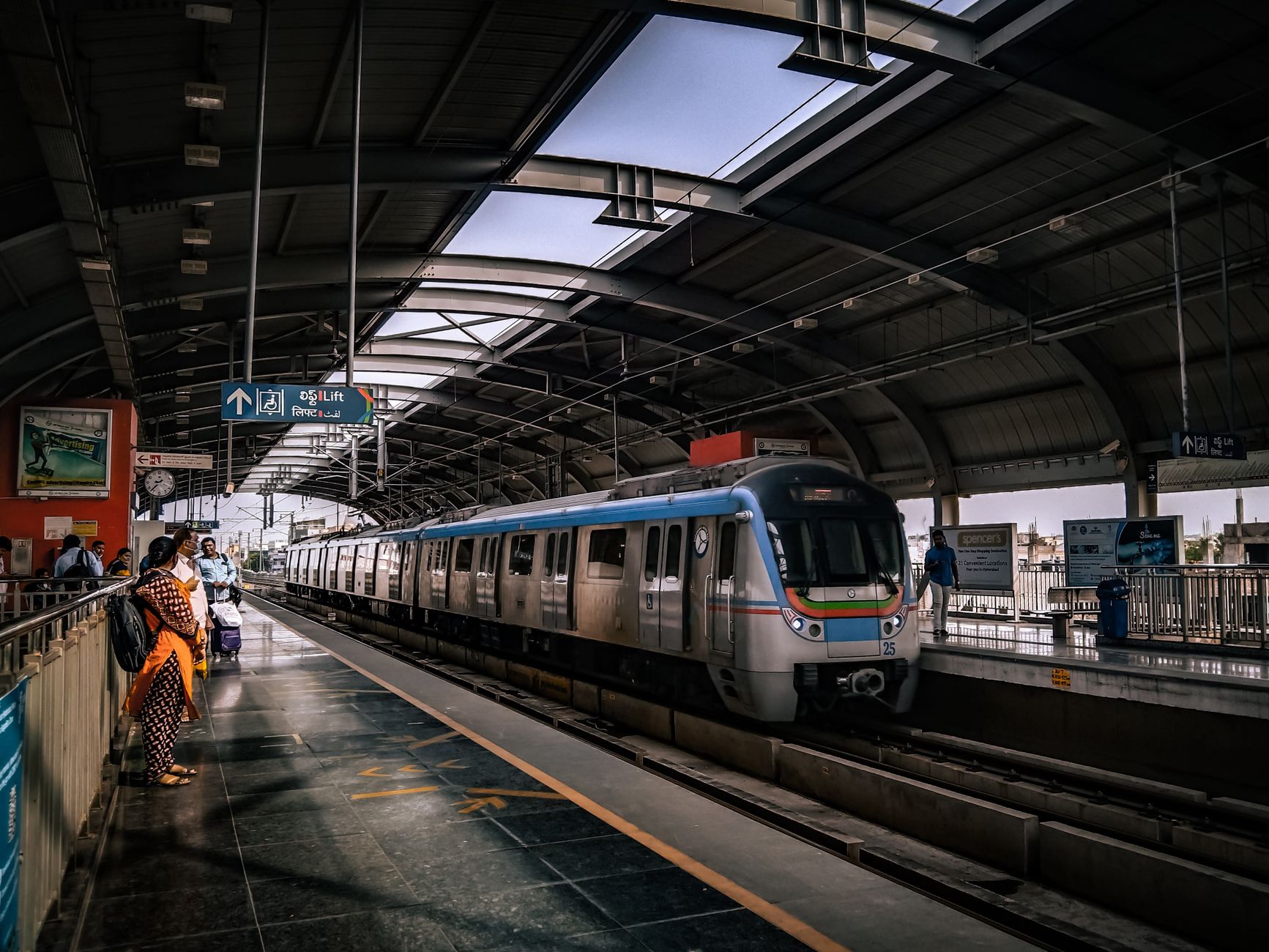
India's cities are witnessing a revolution in urban transport. Metro rail networks have expanded rapidly in metropolitan areas, providing reliable, affordable alternatives to road transport. Cities like Delhi, Mumbai, Bangalore, and Hyderabad have extensive metro systems, while many others are developing their own networks.
Ride-sharing services and app-based taxi aggregators have transformed urban mobility, offering convenient alternatives to traditional auto-rickshaws and taxis. The emergence of electric vehicle infrastructure and bike-sharing programs points toward a more sustainable urban transport future.
Challenges and Opportunities
Despite significant progress, India's mobility sector faces challenges. Traffic congestion in major cities remains a serious concern, with commute times often extending beyond acceptable limits. The quality of roads varies significantly across regions, and last-mile connectivity continues to be a problem in many areas.
Environmental concerns are prompting a shift toward more sustainable transport options. The government's push for electric vehicles, stricter emission norms, and investment in public transport infrastructure reflects growing awareness of climate impact.
The Road Ahead
The future of travel in India looks promising yet complex. The aviation sector is expected to become the world's third-largest by passenger traffic, while railway modernization continues at pace. Smart city initiatives are incorporating intelligent transport systems that could revolutionize urban mobility.
Regional connectivity is improving, with previously remote areas becoming more accessible through new transport links. This is opening up economic opportunities and promoting tourism in unexplored regions.
The integration of different modes of transport through multimodal connectivity hubs is being planned in several cities. These hubs will allow seamless transitions between metro, bus, rail, and air travel, making intercity and intracity movement more efficient.
International travel by Indians is also growing, with more citizens exploring destinations worldwide. This has led to increased flight connectivity, competitive pricing, and better travel infrastructure to accommodate outbound tourism.
India's travel transformation reflects broader economic growth and rising aspirations. As infrastructure improves and technology advances, the movement of people across this vast nation will become faster, more comfortable, and more sustainable, contributing to economic development and cultural exchange across regions.