
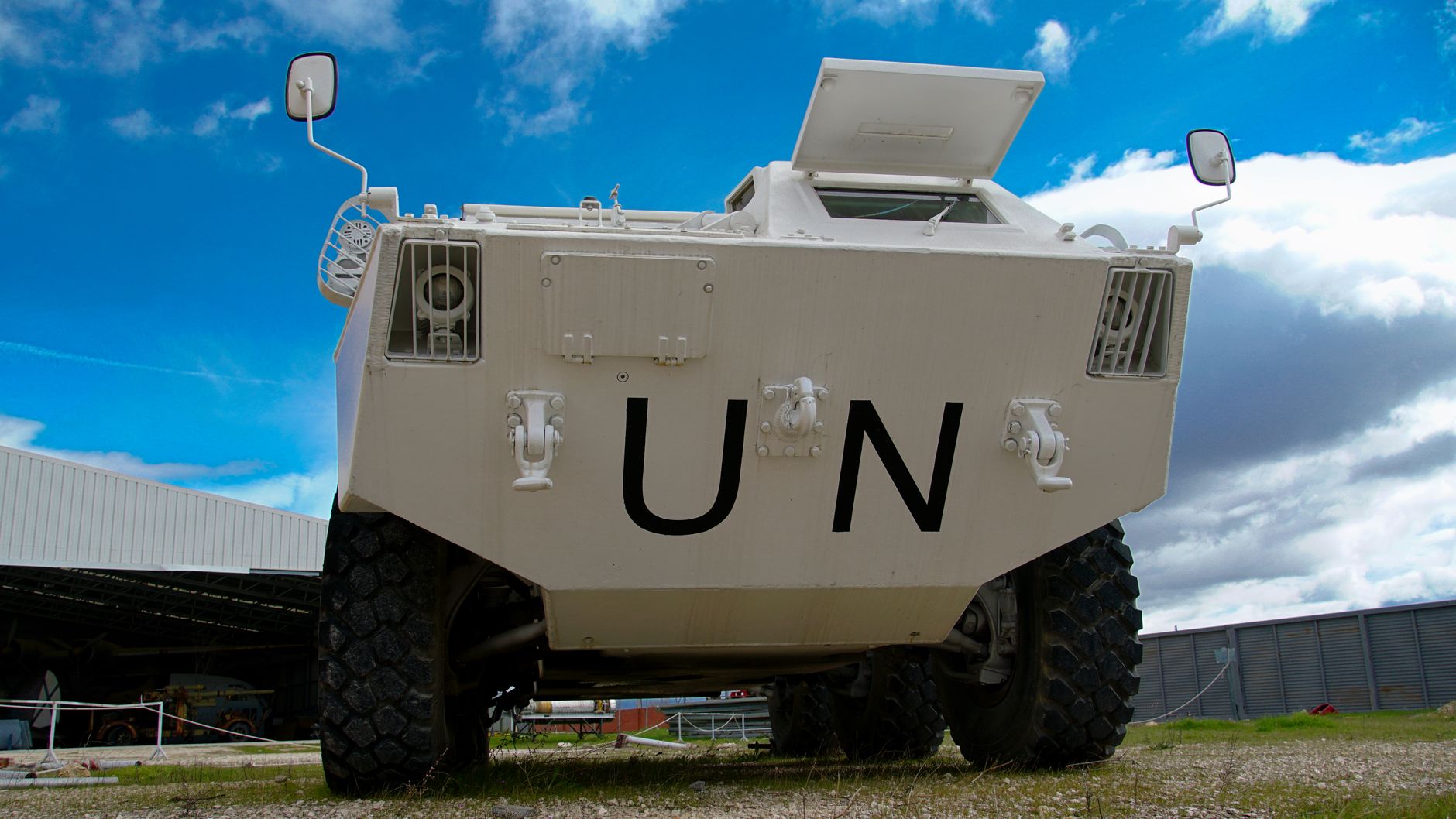
Indian peacekeepers serving with the United Nations Mission in South Sudan (UNMISS) are making a significant impact beyond traditional security duties by addressing one of the most pressing challenges facing rural communities in Jonglei State: livestock health. Their veterinary interventions are proving instrumental in protecting the livelihoods of communities where cattle represent not just economic assets but cultural cornerstones of daily life.
The Critical Role of Livestock in South Sudan
In South Sudan's rural regions, particularly in Jonglei State, livestock forms the backbone of the economy and social structure. Cattle are not merely animals but represent wealth, status, and survival for pastoral communities. Families depend on their herds for milk, meat, and income, while cattle also play essential roles in marriage customs and conflict resolution through traditional systems.
When disease strikes these herds, entire communities face potential devastation. Without access to veterinary services, outbreaks can spread rapidly, decimating populations of cattle, goats, and sheep that families have tended for generations.
Indian Peacekeepers' Veterinary Mission
The Indian contingent within UNMISS has deployed veterinarians as part of their peacekeeping mandate, recognizing that sustainable peace requires addressing the fundamental needs of local populations. These veterinary professionals conduct regular field visits to remote villages, often traveling through challenging terrain to reach communities with little to no access to animal health services.
Their work encompasses several critical activities:
- Vaccination campaigns against common livestock diseases including foot-and-mouth disease, anthrax, and peste des petits ruminants
- Treatment of sick and injured animals
- Education programs teaching pastoralists about disease prevention and animal husbandry best practices
- Distribution of deworming medications and nutritional supplements
- Training local community members in basic veterinary first aid
Impact on Rural Livelihoods
The veterinary interventions have produced measurable improvements in livestock health across the region. Vaccination programs have helped prevent disease outbreaks that previously killed significant portions of herds, allowing families to maintain stable populations of healthy animals.
Healthier livestock means increased milk production, providing better nutrition for children and surplus for sale at local markets. Stronger animals can also command higher prices when sold, improving household incomes and enabling families to invest in education, healthcare, and other necessities.
Beyond immediate economic benefits, the program has strengthened food security in a region where malnutrition remains widespread. Reliable access to milk, meat, and other animal products provides essential protein and nutrients for vulnerable populations, particularly children and nursing mothers.
Building Trust and Community Relationships
The veterinary assistance program has also yielded important peacekeeping dividends. By addressing practical community needs, Indian peacekeepers have built trust with local populations who might otherwise view international forces with suspicion or indifference.
This trust facilitates better intelligence sharing about security threats, easier movement through remote areas, and greater cooperation with UNMISS's broader mandate. When peacekeepers are seen as partners in community development rather than just armed observers, their effectiveness in preventing conflict and protecting civilians increases substantially.
Challenges and Future Prospects
Despite successes, the program faces ongoing challenges. South Sudan's limited infrastructure makes reaching remote communities difficult, particularly during rainy seasons when roads become impassable. Shortages of vaccines and medical supplies can limit the scope of interventions, while the vast geography of Jonglei State means many communities remain underserved.
Climate change is also introducing new pressures, with changing rainfall patterns affecting grazing lands and water availability. These environmental stresses require adaptive livestock management strategies that the veterinary program is helping communities develop.
A Model for Multidimensional Peacekeeping
The Indian veterinary initiative in Jonglei exemplifies how modern peacekeeping missions can extend beyond military security to address root causes of instability. By improving livestock health, peacekeepers are directly supporting the economic foundations that enable communities to thrive peacefully.
This approach recognizes that lasting peace requires meeting basic human needs, building economic resilience, and fostering positive relationships between international actors and local populations. As conflicts increasingly stem from resource scarcity and livelihood disruptions, such comprehensive interventions may prove essential to successful peacekeeping worldwide.
The work of Indian veterinarians in South Sudan demonstrates that peacekeeping forces can serve as agents of sustainable development, using their presence and expertise to create positive change that outlasts their deployment.