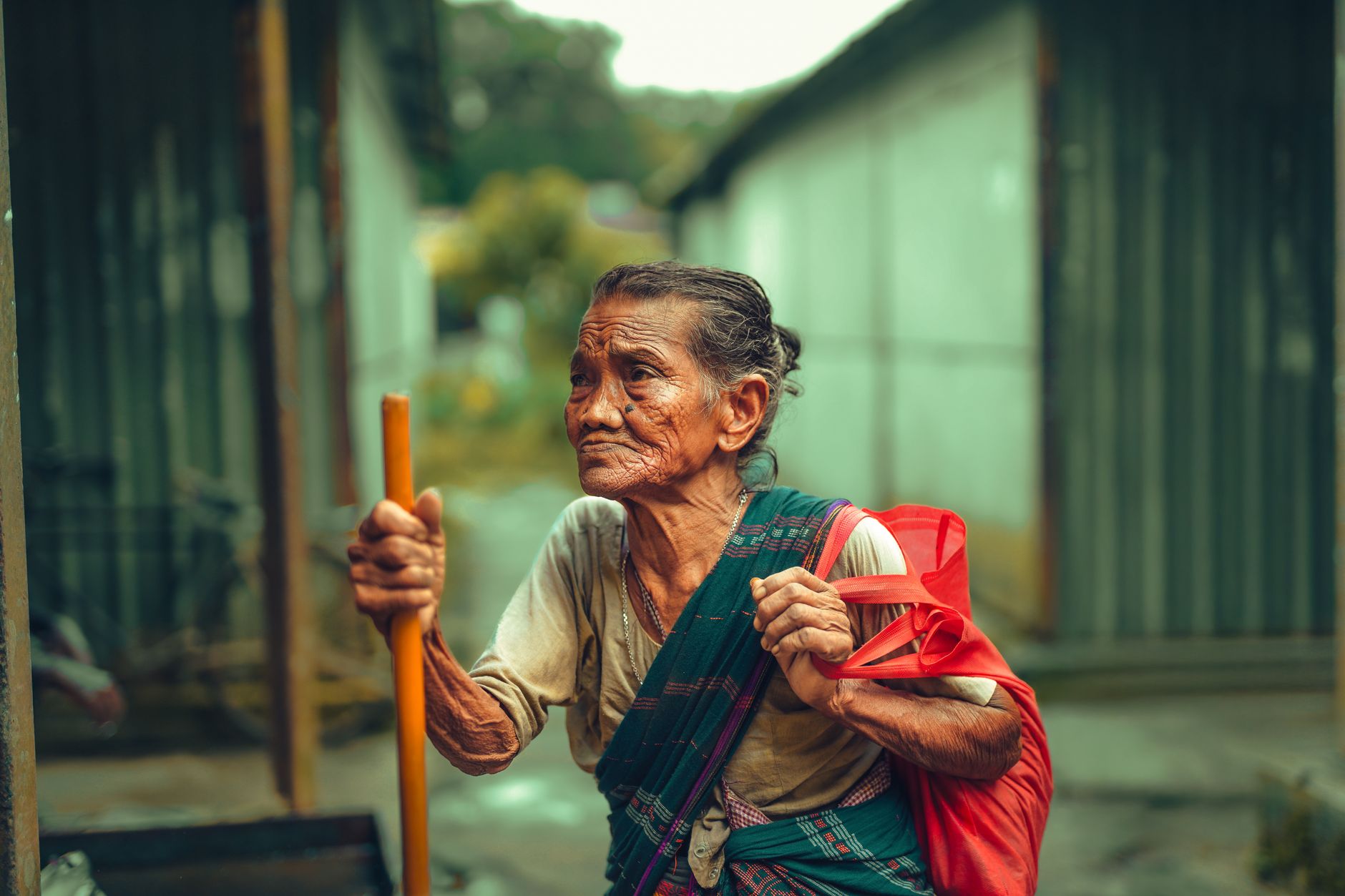
Indian women are now living longer than any previous generation, with life expectancy reaching approximately 72 years compared to 69 years for men. This achievement reflects improvements in maternal mortality rates, better vaccination coverage, and reduced infectious disease deaths. However, this demographic milestone masks a troubling reality: many Indian women are spending their extended years battling chronic diseases, facing mobility limitations, and struggling with inadequate healthcare support.
The Gap Between Lifespan and Healthspan
The critical issue is not simply how long women live, but the quality of those additional years. Health experts distinguish between lifespan—total years lived—and healthspan—years lived in good health. Data suggests that Indian women may gain an extra three to five years of life compared to previous generations, but a significant portion of this time is spent managing conditions like diabetes, hypertension, arthritis, and osteoporosis.
Unlike mortality statistics that show clear improvements, morbidity data reveals a less encouraging picture. Women in their 60s and 70s often juggle multiple chronic conditions simultaneously, a phenomenon called multimorbidity. This burden is compounded by India's healthcare system, which remains heavily focused on acute and infectious diseases rather than long-term chronic disease management.
Economic and Social Vulnerability
The extended lifespan of Indian women intersects with significant socioeconomic challenges. Many elderly women, particularly in rural areas and among lower-income groups, lack financial independence. With limited pension coverage and often no personal savings, they depend entirely on family support during their later years.
Key vulnerabilities include:
- Inadequate social security coverage, with less than 15 percent of elderly women receiving regular pension income
- Higher rates of widowhood, as women typically marry older men and have longer life expectancy
- Limited financial literacy and asset ownership acquired during working years
- Social isolation, especially for widows who may face stigma or marginalization
- Lack of specialized geriatric care facilities and trained healthcare professionals
This economic precariousness means that chronic health conditions can quickly become catastrophic, pushing families into debt or forcing difficult treatment decisions.
Gender-Specific Health Challenges
Throughout their lives, Indian women face unique health disadvantages that accumulate over time. Nutritional deficiencies, especially anemia and calcium deficiency, often begin in childhood due to gender discrimination in food allocation. Early marriage and multiple pregnancies can deplete physical reserves before women reach middle age.
Menopause-related health issues receive inadequate attention in India's healthcare discourse. Osteoporosis, cardiovascular disease risk increase, and hormonal changes significantly impact quality of life but are rarely addressed proactively. Mental health concerns, including depression and anxiety linked to social isolation and changing family dynamics, similarly receive minimal recognition or treatment.
Healthcare System Inadequacies
India's healthcare infrastructure struggles to meet the specific needs of aging women. Government health programs traditionally focus on maternal and child health, with comparatively little attention to post-reproductive health needs. Private healthcare remains prohibitively expensive for most elderly women.
The shortage of geriatric specialists is particularly acute. With fewer than 3,000 trained geriatricians serving a population of over 140 million elderly citizens, specialized care remains virtually inaccessible. Primary healthcare centers often lack basic equipment for managing chronic diseases, and health workers receive minimal training in age-specific women's health issues.
The Path Forward
Addressing this challenge requires systemic changes across multiple sectors. Expanding social security coverage to include all elderly women, regardless of formal employment history, would provide crucial financial protection. Healthcare policy must shift toward preventive care and chronic disease management, with dedicated programs for elderly women's health.
Community-based care models could bridge the gap between limited institutional capacity and growing needs. Training frontline health workers in geriatric assessment and equipping primary health centers with affordable diagnostic tools for chronic disease monitoring would improve accessibility.
Public health campaigns addressing nutrition, exercise, and preventive health throughout women's lives—not just during reproductive years—could improve healthspan significantly. Creating awareness about osteoporosis prevention, cardiovascular health, and mental wellness should begin in middle age, not after problems emerge.
Ultimately, longer life should mean better life. Until India addresses the structural factors keeping elderly women in poor health and economic vulnerability, increased longevity remains a hollow achievement—adding years to life without adding quality to those years.
This article is for general informational purposes only and does not constitute medical advice. Please consult qualified healthcare professionals for personal health concerns and treatment decisions.