
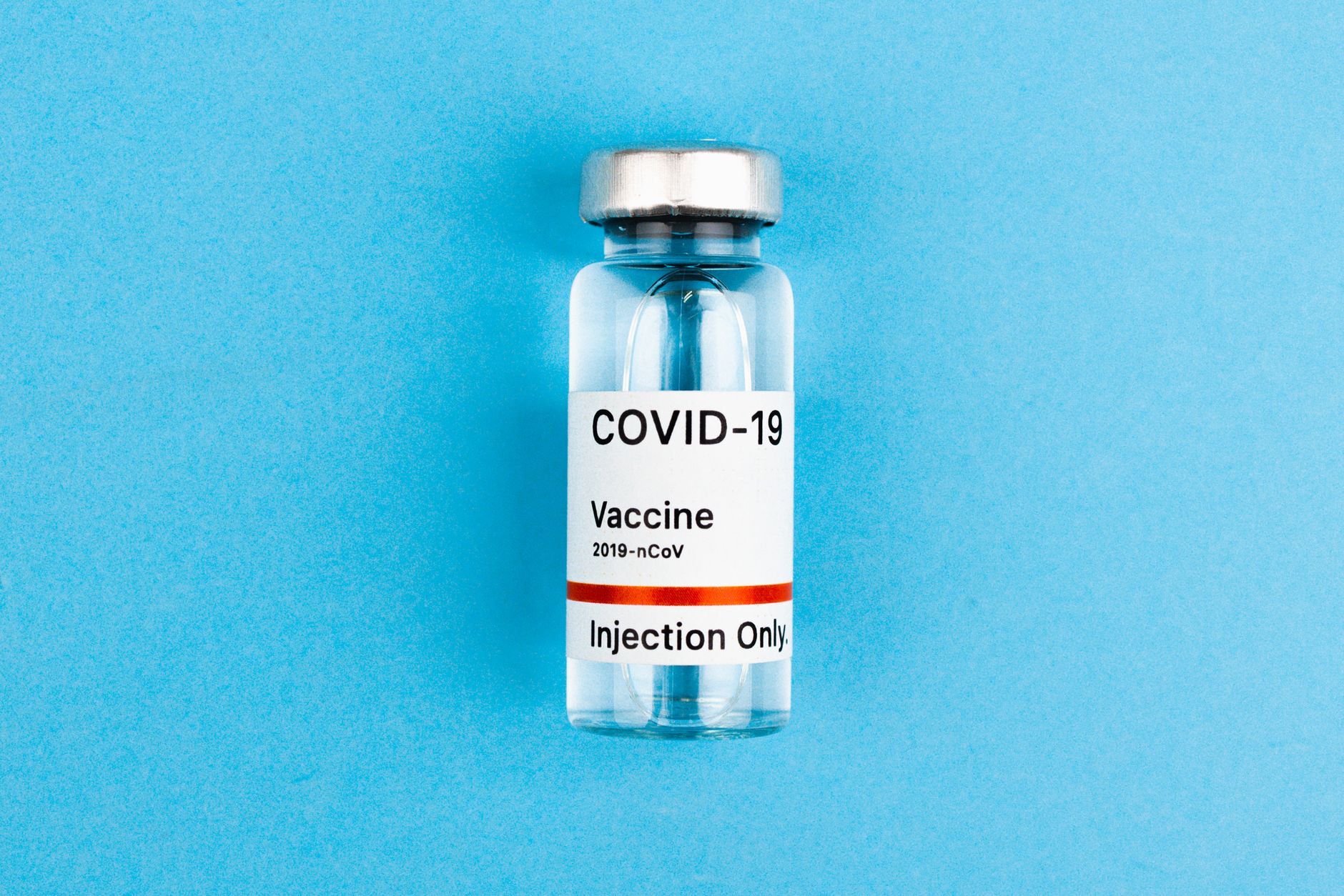
India has taken a significant step in public health by approving QDENGA, the country's first dengue vaccine. This development comes as a relief for a nation that reports hundreds of thousands of dengue cases every year, particularly during monsoon seasons when mosquito breeding intensifies.
What Is QDENGA?
QDENGA is a live-attenuated vaccine developed to protect against all four serotypes of the dengue virus (DENV-1, DENV-2, DENV-3, and DENV-4). The vaccine contains weakened versions of the virus that cannot cause disease but can trigger an immune response. This breakthrough immunization has already been approved in several countries across Europe, Latin America, and Asia before receiving regulatory clearance in India.
Dengue fever remains one of the fastest-spreading mosquito-borne diseases globally, with symptoms ranging from high fever and severe headaches to joint pain and, in severe cases, hemorrhagic complications that can be life-threatening.
Who Can Receive the Vaccine?
The QDENGA vaccine has been approved for individuals aged 4 to 60 years. This broad age range covers children, adolescents, and adults who are at risk of dengue infection. Importantly, the vaccine can be administered to people regardless of whether they have had a previous dengue infection or not.
This is a crucial distinction because earlier dengue vaccine candidates faced limitations due to safety concerns in dengue-naive individuals (those who had never been infected before). QDENGA's approval for both previously infected and non-infected individuals makes it more accessible and practical for widespread use.
Dosing Schedule
The vaccination regimen consists of two doses administered subcutaneously (under the skin). The recommended schedule is:
- First dose: Initial administration
- Second dose: Three months after the first dose
Completing both doses is essential for optimal protection against dengue infection. Healthcare providers will typically monitor patients briefly after each dose to check for any immediate adverse reactions.
How Effective Is QDENGA?
Clinical trials have demonstrated that QDENGA provides significant protection against dengue. The vaccine has shown overall efficacy of approximately 80 percent in preventing hospitalization due to dengue and around 60-70 percent efficacy in preventing symptomatic dengue disease, though effectiveness can vary by serotype and individual factors.
The vaccine's protection appears to be sustained over time, with studies indicating continued efficacy for at least four to five years after vaccination. Long-term data is still being collected to understand the duration of protection and whether booster doses might be needed in the future.
It's worth noting that while the vaccine significantly reduces the risk of severe dengue and hospitalization, it does not provide 100 percent protection. Therefore, preventive measures against mosquito bites remain important even after vaccination.
Safety Profile and Side Effects
Clinical trials have shown QDENGA to have an acceptable safety profile. Common side effects are generally mild and may include:
- Pain, redness, or swelling at the injection site
- Headache
- Muscle pain
- Fatigue
- Low-grade fever
These side effects typically resolve within a few days without requiring medical intervention. Serious adverse events have been rare in clinical trials.
Why This Matters for India
India reports between 100,000 to 400,000 dengue cases annually, though experts believe actual numbers are much higher due to underreporting. The disease burden is particularly heavy in urban and semi-urban areas where Aedes mosquitoes thrive in stagnant water.
The availability of QDENGA provides an additional tool alongside vector control measures, public awareness campaigns, and improved diagnostic facilities. While the vaccine will likely be initially available in private healthcare settings, discussions about public health programs and pricing will be crucial for maximizing its impact.
Preventive Measures Still Essential
Even with vaccination, individuals should continue practicing dengue prevention measures, including eliminating mosquito breeding sites, using mosquito repellents, wearing protective clothing, and using bed nets in high-risk areas. Vaccination works best as part of a comprehensive dengue control strategy.
This article is for general informational purposes only and should not replace professional medical advice. Consult with a qualified healthcare provider to determine if the dengue vaccine is appropriate for you or your family members, considering individual health conditions and risk factors.