
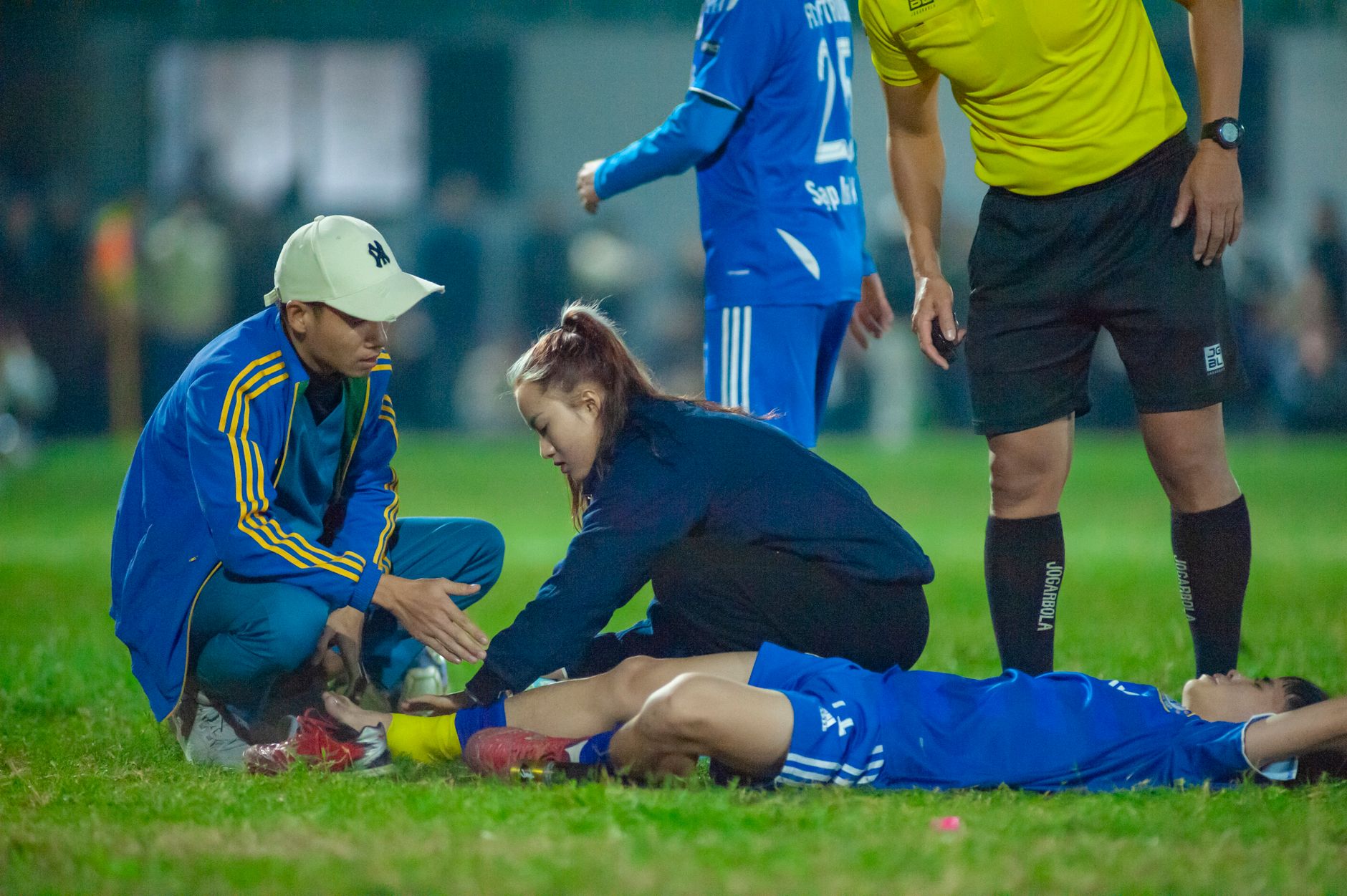
India's approach to sports medicine and athlete health management has undergone a remarkable transformation in recent years, with medical teams now implementing world-class health protection protocols at international competitions. The Commonwealth Games experience highlights how Indian sports authorities have developed sophisticated systems to ensure peak athlete performance through preventive healthcare measures.
The Evolution of Sports Medicine in India
The landscape of sports medicine in India has shifted dramatically over the past decade. Previously, medical support for athletes often focused primarily on injury treatment and emergency care. Today's approach encompasses comprehensive preventive strategies, real-time health monitoring, and proactive disease management systems that rival those of leading sporting nations.
This evolution reflects India's growing ambition on the global sporting stage. As the country invests more heavily in athlete development and performance optimization, medical support infrastructure has become a critical component of competitive success. The integration of specialized medical teams at major events represents a strategic priority rather than an afterthought.
Comprehensive Health Shield Protocols
Modern athlete health protection at international events involves multiple layers of intervention and monitoring. Medical teams now deploy extensive preventive measures beginning weeks before competitions, including vaccination protocols, nutritional optimization, and environmental health assessments of host locations.
Key components of contemporary health shield protocols include:
- Pre-event health screening and immunization programs
- Continuous monitoring of local disease outbreaks and epidemiological risks
- Strict hygiene and sanitation protocols within athlete accommodations
- Controlled food preparation and nutrition management systems
- Rapid response medical teams available around the clock
- Mental health and wellness support services
- Environmental monitoring for air quality, temperature, and potential health hazards
Preventing Infectious Disease Outbreaks
One of the most critical challenges in managing large athletic contingents is preventing infectious disease transmission. When dozens or hundreds of athletes live in close quarters, share training facilities, and experience the physical stress of competition, the risk of rapid disease spread increases substantially.
Medical teams now implement stringent infection control measures including isolation protocols for symptomatic individuals, regular sanitization of common areas, and education programs teaching athletes about disease prevention. The goal extends beyond treating illness to preventing any health disruption that could compromise performance.
The Role of Sports Physicians
Sports medicine specialists have become integral members of India's competitive sports ecosystem. These physicians possess expertise spanning orthopedics, physiology, nutrition, and preventive medicine. Their responsibilities extend far beyond treating injuries to encompass holistic athlete health optimization.
At major events, sports physicians conduct daily health checks, monitor training loads to prevent overuse injuries, manage chronic conditions, and make critical decisions about athlete readiness for competition. This medical oversight ensures that health concerns are identified and addressed before they become performance-limiting problems.
Technology Integration in Athlete Health Management
Modern sports medicine increasingly leverages technology for health monitoring and intervention. Wearable devices track vital signs, sleep quality, and recovery metrics. Data analytics help medical teams identify concerning patterns before they manifest as clinical problems. Telemedicine capabilities connect on-site medical staff with specialized consultants when complex cases arise.
This technological integration allows for more precise, individualized health management strategies tailored to each athlete's unique physiological profile and competitive demands.
Building Sustainable Sports Medicine Infrastructure
The success of health shield protocols at individual events reflects broader investments in India's sports medicine infrastructure. Training programs for sports physicians and physiotherapists have expanded significantly, creating a deeper talent pool of specialized practitioners. Medical facilities at national training centers now feature advanced diagnostic and treatment capabilities.
These institutional developments ensure that elite athlete health management continues improving, with lessons learned from each major competition informing enhanced protocols for future events.
Impact on Athletic Performance
The ultimate measure of sports medicine program success lies in athletic outcomes. When athletes remain healthy, maintain optimal physical condition, and avoid illness-related disruptions, their competitive performance improves measurably. The absence of health-related withdrawals or compromised performances represents a significant achievement for medical support teams.
Beyond immediate competitive benefits, comprehensive health management contributes to athlete longevity and career sustainability, allowing Indian sports talent to compete at elite levels for extended periods.
The advancement of sports medicine protocols represents a crucial element of India's broader sporting development strategy, demonstrating how medical expertise and systematic health management contribute directly to competitive excellence on the international stage.
This article is for general informational purposes only and does not constitute medical advice. Athletes should consult with qualified sports medicine professionals for personalized health management strategies.