
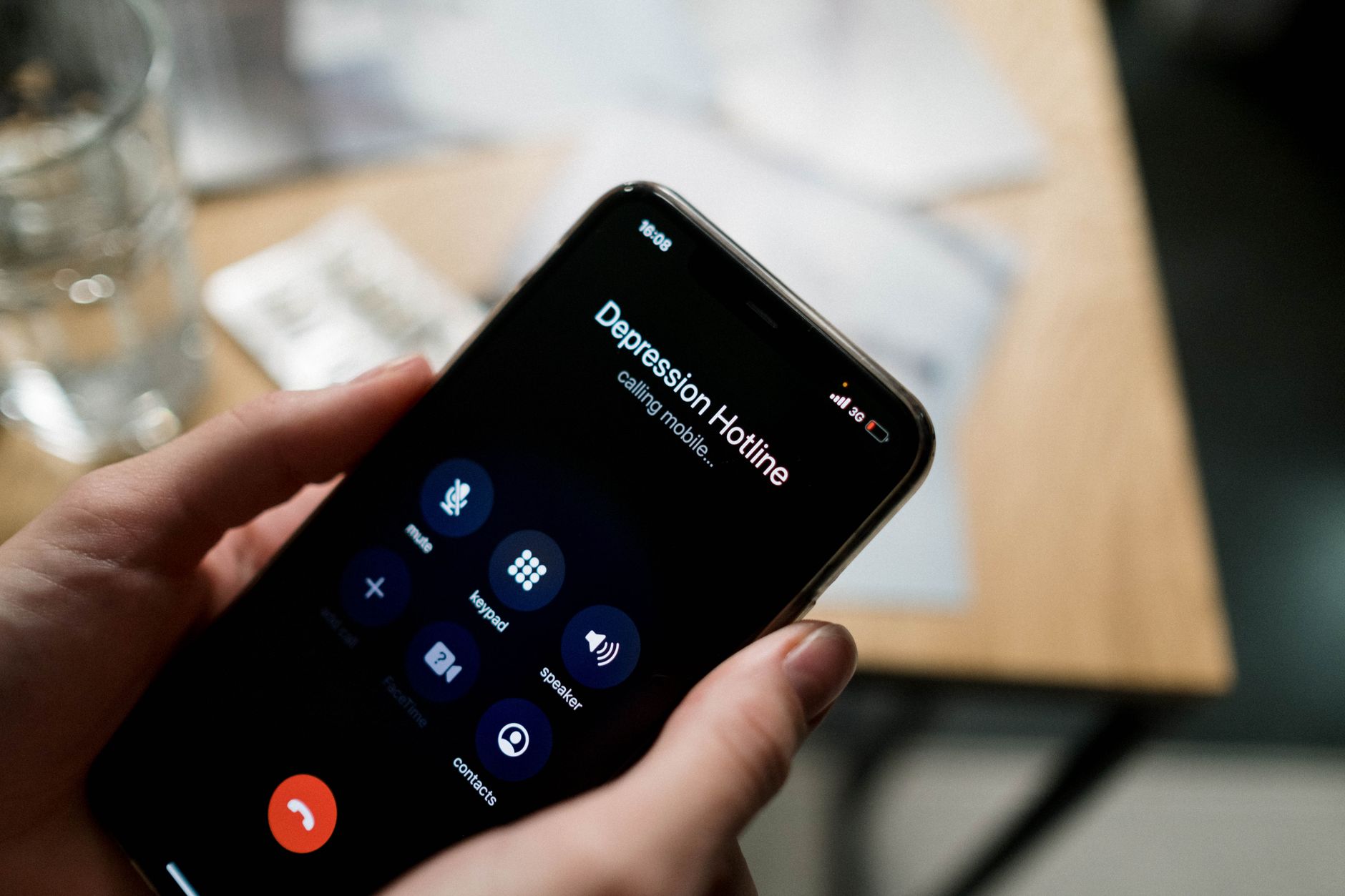
India's mental health infrastructure has historically faced severe resource constraints, with less than one psychiatrist per 100,000 people and widespread stigma surrounding mental illness. The launch of Tele-MANAS (Tele Mental Health Assistance and Networking Across States) in October 2022 represents a significant shift in how the country approaches mental healthcare delivery at scale.
What is Tele-MANAS
Tele-MANAS is a two-tier telephone and digital-based mental health service operating through a toll-free helpline number available in multiple Indian languages. Citizens can call the service to receive immediate counseling support from trained mental health professionals, including psychologists and psychiatric social workers. The initiative was launched under the National Tele Mental Health Programme as part of the government's broader National Mental Health Programme.
The service operates 24x7 across all states and union territories, making it potentially accessible to India's entire population. Callers are connected to counselors based on their state of residence, ensuring language compatibility and cultural sensitivity. The first tier provides general counseling and emotional support, while more complex cases are escalated to the second tier, which involves clinical psychologists, psychiatrists, and other mental health specialists.
Why This Recognition Matters
Recognition by a British medical journal underscores the scale and ambition of India's mental health intervention. With approximately 150 million Indians estimated to need mental health support but only a fraction receiving care, the gap between demand and available services has been enormous. Traditional face-to-face mental health services remain concentrated in urban areas and are often prohibitively expensive or difficult to access for rural populations.
Tele-MANAS addresses several critical barriers simultaneously. Geographic isolation becomes irrelevant when help is just a phone call away. The anonymity of telephone counseling helps reduce stigma, encouraging people who might never visit a psychiatrist's office to seek help. The service also provides an entry point for identifying individuals who need urgent in-person intervention, creating a pathway to more intensive care when necessary.
The Numbers Behind the Initiative
Since its launch, Tele-MANAS has established cells in all Indian states and union territories, with most states operating multiple centers to handle call volumes. The government has trained thousands of counselors specifically for this program, creating employment while expanding mental health human resources. The initiative aims to eventually handle millions of calls annually, making it one of the most ambitious government-led mental health programs globally in terms of population coverage.
The service addresses a wide range of mental health concerns, from stress and anxiety to depression, substance abuse issues, and suicidal ideation. Early intervention through accessible counseling can prevent mental health conditions from escalating into crises requiring hospitalization or intensive treatment.
Challenges and the Road Ahead
Despite the recognition and promise, Tele-MANAS faces significant implementation challenges. Quality control across thousands of counselors in diverse locations requires robust training, supervision, and continuous professional development systems. Language diversity in India means the service must operate effectively in over twenty languages to truly reach all populations.
Additionally, telephone counseling has limitations compared to face-to-face therapy. Building therapeutic rapport can be more difficult, and counselors cannot observe non-verbal cues that often provide important clinical information. The service also requires adequate follow-up mechanisms to ensure continuity of care for individuals with ongoing mental health needs.
Infrastructure challenges persist in areas with poor mobile network connectivity, potentially excluding some rural populations who could benefit most. Public awareness campaigns are necessary to inform citizens about the service's availability and reduce stigma around seeking mental health support.
Integration with Broader Mental Health Systems
For Tele-MANAS to achieve its full potential, it must function as part of an integrated mental health ecosystem rather than as a standalone service. This means establishing clear referral pathways to district mental health programs, primary health centers, and specialized psychiatric facilities. Digital health records and data management systems are necessary to track outcomes and improve service quality over time.
The initiative also represents an opportunity to generate valuable epidemiological data about mental health needs across India's diverse populations, informing future policy and resource allocation decisions.
This article is for general informational purposes only and is not a substitute for professional mental health advice, diagnosis, or treatment. If you are experiencing a mental health crisis, please contact emergency services or a qualified mental health professional immediately.