
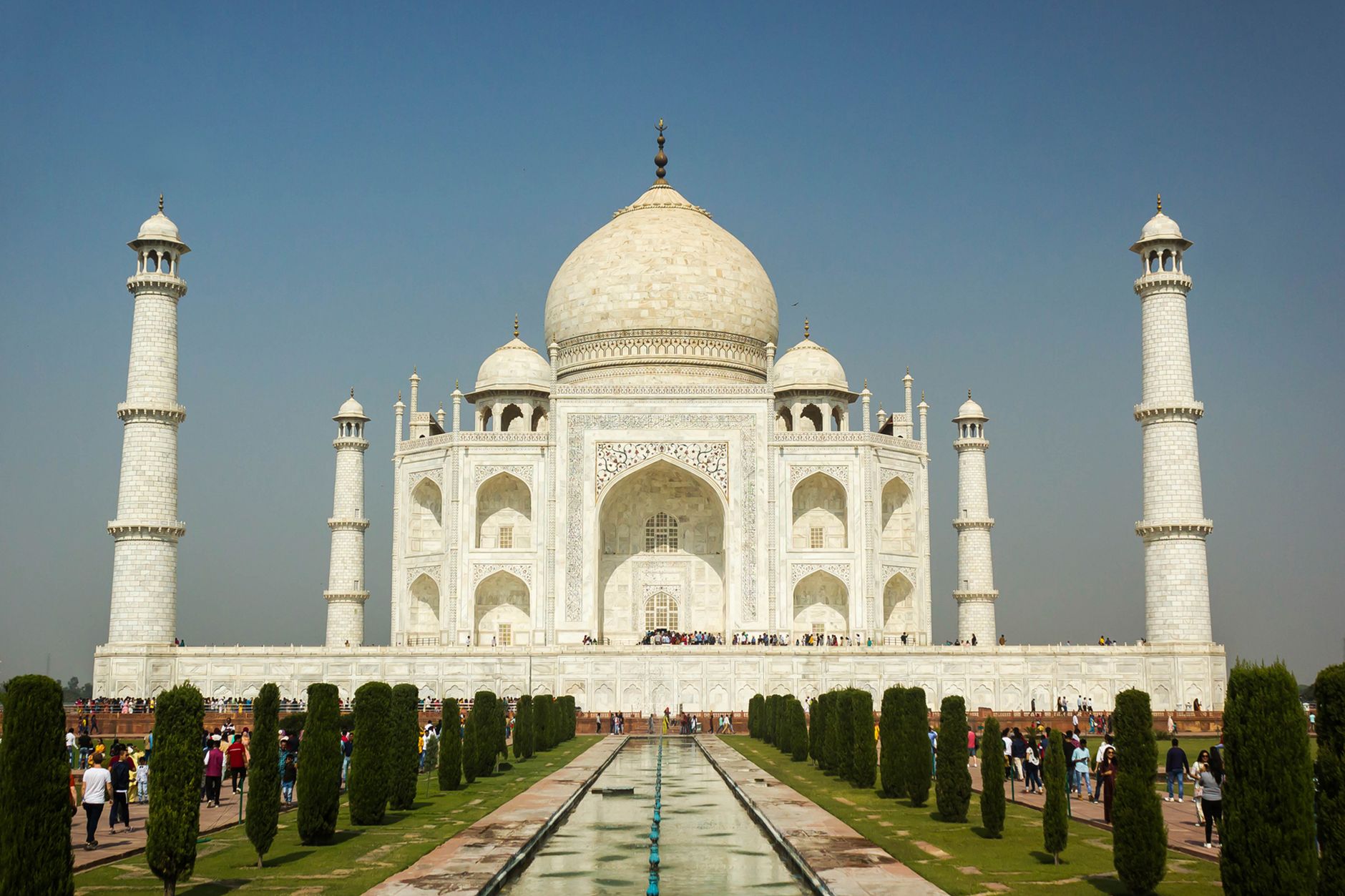
India's travel and tourism industry has emerged as a major economic powerhouse, with the sector's contribution hitting an impressive $263.6 billion according to recent industry assessments. This remarkable milestone places India on track to join the global elite of tourism economies, potentially securing a position among the world's top four destinations.
The surge represents a significant recovery and expansion from pandemic-era lows, driven by a combination of domestic travel enthusiasm, increasing international arrivals, and substantial government initiatives to promote India as a must-visit destination.
What's Driving India's Tourism Growth
Several factors have converged to propel India's tourism sector to new heights. Domestic tourism has exploded, with middle-class Indians increasingly exploring their own country's diverse offerings, from the Himalayan peaks to tropical beaches, historical monuments to wildlife sanctuaries. The rise of affordable air travel, improved road infrastructure, and digital booking platforms has made travel more accessible to millions of first-time tourists.
International arrivals have also rebounded strongly, with travellers from traditional markets like the United States, United Kingdom, and European nations returning in large numbers. Additionally, India has seen growing interest from emerging markets, particularly in Southeast Asia and the Middle East, attracted by cultural tourism, medical tourism, and spiritual journeys.
Economic Impact Beyond Hotels and Airlines
The $263.6 billion figure encompasses far more than just accommodation and transportation. The tourism ecosystem supports a vast network of businesses including restaurants, tour operators, handicraft sellers, adventure sports providers, and cultural venues. This multiplier effect means that tourism revenue circulates through local economies, creating employment opportunities in both urban and rural areas.
The sector has become one of India's largest employers, providing livelihoods to millions across skill levels, from hotel management professionals to local guides, drivers, and artisans. For many rural and semi-urban communities, tourism represents a critical source of income and economic development.
Government Initiatives and Infrastructure Development
India's tourism ambitions have received substantial government backing through initiatives aimed at improving infrastructure and marketing. The development of new airports in tier-two and tier-three cities has opened up previously difficult-to-reach destinations. Investments in road networks, particularly in tourist circuits, have made multi-destination trips more feasible.
Visa liberalisation has played a crucial role, with e-visa facilities now available to citizens of numerous countries, simplifying the entry process. Digital India initiatives have also enhanced the tourist experience, with improved connectivity and online services making travel planning smoother.
Marketing campaigns showcasing India's incredible diversity—from the "Incredible India" branding to state-specific promotions—have raised the country's profile as a tourism destination offering everything from luxury heritage experiences to budget backpacking adventures.
Challenges on the Path to Top Four
Despite this impressive growth, India faces several challenges in its quest to reach the global top four. Infrastructure gaps remain, particularly in smaller destinations where basic amenities may not meet international standards. Environmental concerns, including pollution in major cities and waste management at popular sites, need addressing to ensure sustainable tourism growth.
Safety perceptions, particularly regarding solo female travellers, continue to impact India's image in some markets. Efforts to improve tourist safety, enhance professionalism in the tourism industry, and maintain cleanliness at heritage sites are ongoing priorities.
The Road Ahead
To secure a position among the world's top four tourism economies, India will need to maintain momentum through continued investment, innovation, and sustainability. The focus is increasingly shifting toward high-value tourism segments, including luxury travel, wellness tourism, and experiential travel, which generate greater economic returns while potentially reducing environmental impact.
The development of lesser-known destinations can help distribute tourist flows more evenly, reducing pressure on overcrowded hotspots while spreading economic benefits more widely. States are increasingly competing to develop unique tourism products that differentiate India's offerings in the global marketplace.
The $263.6 billion milestone demonstrates India's tourism sector has tremendous potential. With strategic planning, sustained investment, and a commitment to quality and sustainability, India's ambition to rank among the world's top four tourism economies appears increasingly achievable, promising substantial economic benefits for decades to come.