
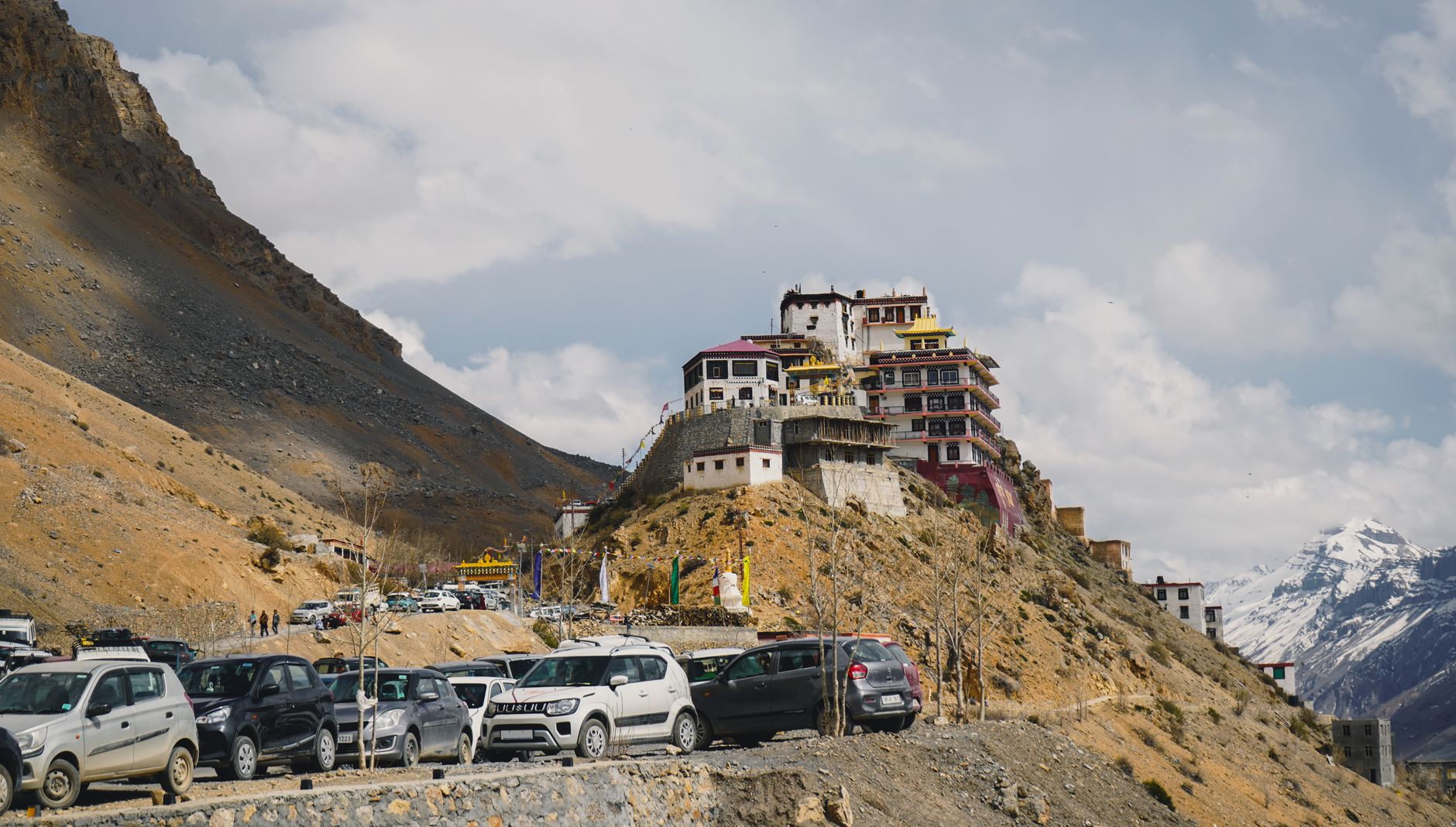
India has long been a destination that captivates travelers with its rich cultural heritage, diverse landscapes, and spiritual traditions. From the snow-capped Himalayas to tropical beaches in Kerala, ancient temples to modern metros, the country offers experiences few nations can match. Yet despite these advantages, India captures only a fraction of global tourism revenue compared to smaller countries with fewer attractions. The question isn't whether India can become a tourism powerhouse—it's what needs to happen to unlock that potential.
The Current State of Indian Tourism
India welcomed approximately 9 million international tourists in 2023, a recovery from pandemic lows but still below pre-COVID numbers. While domestic tourism thrives with hundreds of millions of Indians traveling within the country annually, international arrivals lag significantly behind competing destinations. Thailand, with a fraction of India's land area and population, attracts nearly 40 million international visitors. France, the world's tourism leader, sees over 90 million arrivals despite being smaller than Rajasthan.
The disparity isn't about lack of attractions. India's UNESCO World Heritage Sites number over 40, including the Taj Mahal, ancient cave temples, and historic forts. The country boasts biodiversity hotspots, wellness tourism through Ayurveda and yoga, adventure tourism in mountainous regions, and culinary experiences that vary dramatically across states. The raw materials for a world-class tourism industry exist in abundance.
Infrastructure and Connectivity Challenges
One major bottleneck limiting international tourism growth is infrastructure. While metropolitan airports in Delhi, Mumbai, and Bangalore have undergone modernization, secondary cities with significant tourist appeal often lack adequate international connectivity. Direct flights to smaller destinations remain limited, forcing travelers into lengthy domestic connections that add cost and time.
Road infrastructure presents another challenge. The quality of highways connecting major tourist circuits has improved dramatically over the past decade, but last-mile connectivity to many heritage sites, hill stations, and rural tourism destinations remains inadequate. Tourist facilities including clean public restrooms, signage in multiple languages, and accessible information centers are inconsistent across regions.
Accommodation infrastructure has expanded significantly, with international hotel chains establishing presence in major cities and tourist hotspots. However, the mid-range segment—crucial for budget-conscious international travelers—needs further development in tier-2 and tier-3 cities.
Visa and Entry Policies
India has made strides in simplifying visa processes through e-visa facilities for citizens of many countries. The system allows travelers to obtain tourist visas online without visiting embassies, a significant improvement over previous bureaucratic procedures. However, the process remains more cumbersome and expensive compared to competitors offering visa-on-arrival or visa-free entry.
Expanding visa-free entry for more nationalities, extending e-visa validity periods, and reducing processing times could remove significant friction points. Countries that have liberalized visa policies have consistently seen tourism arrivals surge, demonstrating that ease of entry directly correlates with visitor numbers.
Marketing and Perception Management
India faces perception challenges in international markets regarding safety, cleanliness, and travel logistics. While the "Incredible India" campaign has raised awareness, consistent destination marketing targeting specific traveler segments could prove more effective. Different states have begun individual branding efforts—Kerala as "God's Own Country" and Rajasthan emphasizing its royal heritage—but coordinated national strategies would amplify impact.
Digital marketing targeting younger travelers, promoting lesser-known destinations to avoid overcrowding at popular sites, and highlighting India's strengths in wellness, spiritual, and adventure tourism could attract diverse visitor segments.
Economic Impact and Employment Generation
Tourism development carries significant economic benefits beyond direct spending. The sector generates employment across skill levels, from hospitality workers to tour guides, artisans selling crafts, and transportation providers. Tourism revenue supports heritage conservation, wildlife protection, and rural development in remote areas where alternative economic opportunities may be limited.
International tourism particularly brings valuable foreign exchange earnings. As India aims to become a five trillion-dollar economy, tourism represents a sector where the country possesses inherent competitive advantages that remain underutilized.
The Path Forward
Realizing India's tourism potential requires coordinated action across multiple fronts. Public-private partnerships can accelerate infrastructure development. State governments must prioritize tourism planning alongside industrial development. Training programs should enhance service quality and language skills in the hospitality sector. Sustainable tourism practices must be embedded from the outset to preserve the very assets that attract visitors.
The foundation exists for India to join the ranks of global tourism powerhouses. With strategic investments, policy reforms, and sustained commitment to improving the visitor experience, India's tourism success story is indeed just beginning.