
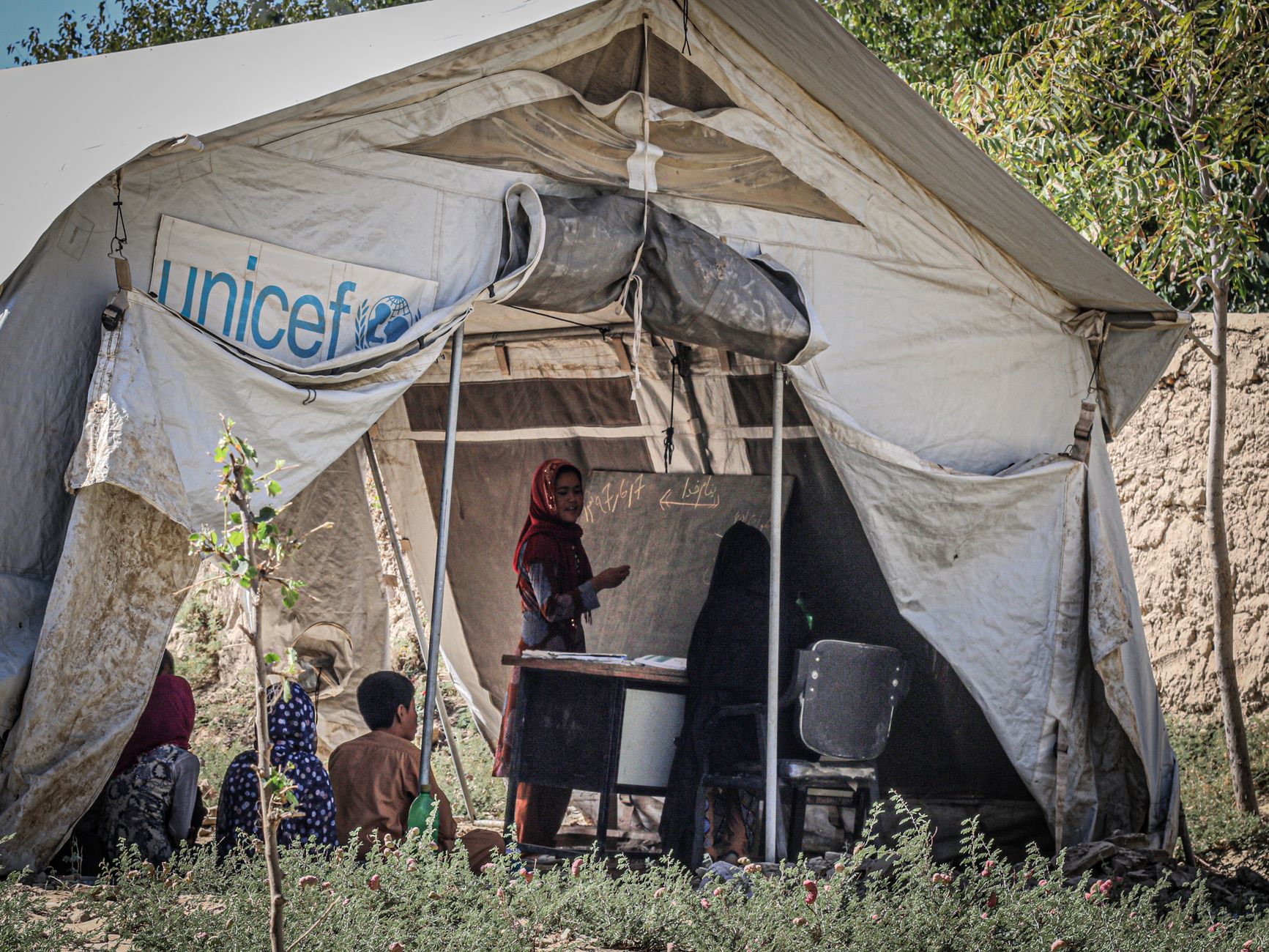
UNICEF India, in collaboration with the Press Information Bureau (PIB) Western Zone and AIIMS Nagpur, recently concluded a comprehensive two-day workshop focused on enhancing media capacity to report on childhood non-communicable diseases (NCDs). The initiative highlights the growing recognition of NCDs as a critical health challenge among children and adolescents in India.
Understanding Childhood NCDs
Non-communicable diseases, traditionally associated with adults, are increasingly affecting children and young people across India. These conditions include diabetes, cardiovascular diseases, respiratory disorders like asthma, childhood cancers, and mental health conditions. Unlike communicable diseases, NCDs are not transmitted from person to person but develop due to genetic, environmental, and lifestyle factors.
The prevalence of childhood NCDs has risen significantly in recent years, driven by changing dietary patterns, reduced physical activity, increased urbanization, and environmental factors such as air pollution. Early onset of conditions like obesity, hypertension, and metabolic disorders during childhood can lead to serious health complications in adulthood.
The Role of Media in Public Health
Journalists and media professionals play a crucial role in shaping public awareness and understanding of health issues. Accurate, evidence-based reporting on childhood NCDs can influence policy decisions, encourage preventive measures among families, and reduce stigma associated with certain conditions.
However, reporting on complex medical topics requires specialized knowledge. Misinterpretation of data, sensationalism, or inadequate context can spread misinformation and create unnecessary panic among parents and caregivers. This workshop aimed to bridge the knowledge gap between health experts and media professionals.
Workshop Objectives and Content
The capacity-building initiative brought together journalists from various media outlets with health professionals, policymakers, and UNICEF specialists. Participants received training on:
- Understanding the epidemiology and risk factors of childhood NCDs
- Interpreting health data and research findings accurately
- Ethical considerations when reporting on children's health
- Identifying reliable sources and expert voices
- Communicating complex medical information in accessible language
- Recognizing the social determinants of childhood NCDs
The workshop also emphasized the importance of solution-oriented journalism that not only highlights problems but also showcases successful interventions, government programs, and community initiatives addressing childhood NCDs.
The Growing Burden of Childhood NCDs in India
India faces a dual burden of disease, with communicable diseases still prevalent while NCDs rapidly increase. Among children, lifestyle-related conditions are particularly concerning. Studies indicate rising rates of childhood obesity, with estimates suggesting that approximately 15-20 percent of children in urban areas are overweight or obese.
Childhood diabetes, both Type 1 and Type 2, is also increasing. Environmental factors, including air pollution in major cities, contribute to respiratory conditions like asthma, affecting millions of children nationwide. Mental health conditions, often overlooked, represent another significant category of childhood NCDs requiring greater attention and sensitive reporting.
Prevention and Early Intervention
Experts at the workshop emphasized that many childhood NCDs are preventable through lifestyle modifications and early intervention. Key preventive measures include:
- Promoting balanced nutrition and limiting processed foods high in sugar and salt
- Encouraging regular physical activity and outdoor play
- Reducing screen time and sedentary behavior
- Regular health screenings to detect conditions early
- Creating smoke-free environments and reducing exposure to environmental pollutants
- Addressing mental health through supportive environments at home and school
Schools, families, and communities all play vital roles in creating environments that support healthy growth and development.
Collaborative Efforts for Better Health Outcomes
The workshop represents a collaborative approach to addressing childhood NCDs, bringing together international organizations, government bodies, medical institutions, and media. AIIMS Nagpur's involvement provides medical expertise and research insights, while PIB ensures coordination with government health initiatives.
UNICEF's focus on childhood NCDs aligns with global sustainable development goals and its mandate to protect children's rights, including the right to health. By strengthening media capacity, the organization aims to create a more informed public discourse around childhood health issues.
The Path Forward
Improved media reporting on childhood NCDs can contribute to policy advocacy, increased funding for prevention programs, and greater public awareness about risk factors and preventive measures. Journalists trained through such workshops become valuable partners in public health communication, helping to translate complex health information into stories that resonate with diverse audiences.
This article is for general information purposes only and should not be considered medical advice. Parents and caregivers concerned about their child's health should consult qualified healthcare professionals for personalized guidance and treatment.