
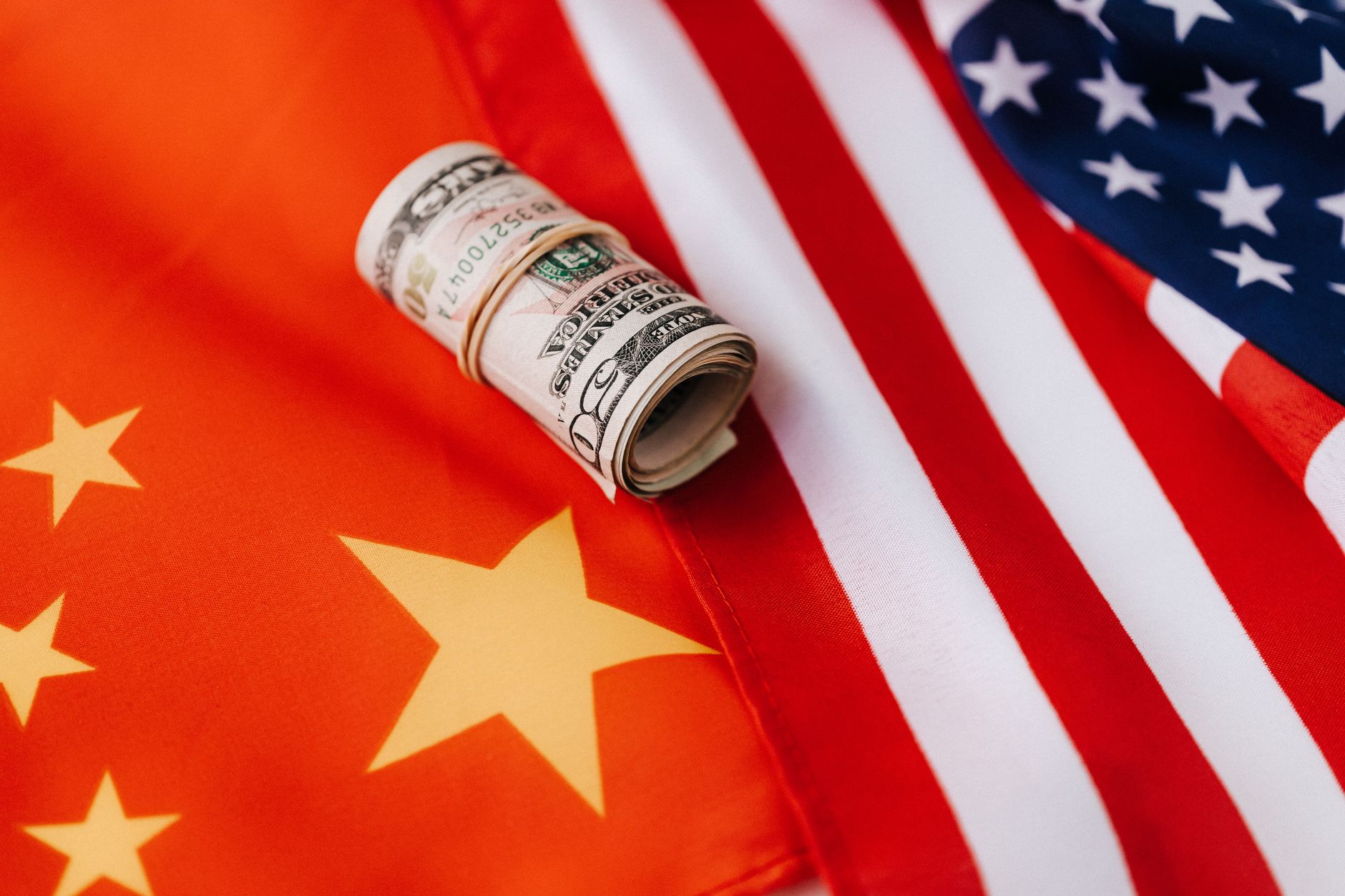
The global investment landscape presents a stark contrast today. US equity markets continue their upward march, breaking records repeatedly, while Chinese stocks remain significantly undervalued compared to historical averages. For Indian investors looking to diversify internationally, this divergence creates both opportunities and dilemmas.
Understanding the US Market Rally
The United States stock market has demonstrated remarkable resilience, with major indices reaching unprecedented levels. This surge is driven by several factors including robust corporate earnings, particularly from technology giants, strong consumer spending, and optimism around artificial intelligence and innovation. The American economy has shown surprising strength despite higher interest rates, with unemployment remaining low and productivity gains supporting growth.
However, investing at record highs comes with inherent risks. Valuations in many sectors appear stretched, with price-to-earnings ratios above historical averages. The potential for market corrections increases when markets trade at premium valuations, and any negative surprises could trigger sharp pullbacks.
The China Opportunity
Chinese equities present a contrasting picture. Years of regulatory crackdowns, geopolitical tensions, property sector troubles, and concerns about economic growth have kept valuations depressed. Many quality Chinese companies now trade at significant discounts to their global peers, creating potential value opportunities for patient investors.
The Chinese government has recently shifted toward more market-friendly policies, introducing stimulus measures and easing regulatory pressures on technology companies. If these efforts successfully stabilize the economy and restore investor confidence, current prices could represent attractive entry points.
Key Considerations for Indian Investors
Before allocating capital to either market, Indian investors should evaluate several critical factors.
- Risk appetite and investment horizon: US markets may offer stability but limited upside at current levels, while China presents higher risk with potentially greater returns
- Currency exposure: Investing internationally introduces foreign exchange risk, as rupee fluctuations against the dollar or yuan can significantly impact returns
- Regulatory environment: Both markets have unique regulatory frameworks that can affect foreign investment
- Diversification goals: Geographic diversification should align with your overall portfolio strategy
- Tax implications: International investments may have different tax treatment compared to domestic holdings
Balancing Your International Portfolio
Rather than choosing one market exclusively, a balanced approach might serve most investors better. Allocating a portion of your international exposure to both markets can help capture growth while managing risk.
For conservative investors, the US market offers more stability and transparency despite higher valuations. American companies benefit from strong corporate governance standards, deep capital markets, and a relatively stable regulatory environment. The dollar's status as a reserve currency also provides an additional layer of stability.
Aggressive investors with higher risk tolerance might find Chinese markets more appealing. The potential for valuation re-rating as sentiment improves could deliver substantial returns. However, this comes with increased volatility and geopolitical uncertainties that require careful monitoring.
Investment Vehicles Available
Indian investors can access these markets through several routes. International mutual funds and exchange-traded funds provide professionally managed exposure without the complexity of direct overseas investing. These funds handle currency management, regulatory compliance, and portfolio construction.
Alternatively, investors can use the Liberalised Remittance Scheme to invest directly in foreign stocks through international brokerage accounts, though this requires more active management and understanding of foreign markets.
The Verdict
There is no universal answer to whether US or Chinese markets are better for Indian investors. Your decision should depend on your financial goals, risk tolerance, investment timeline, and overall portfolio composition.
Most financial advisors suggest that international equity exposure should constitute 10-20% of your total portfolio. Within this allocation, splitting between developed markets like the US and emerging markets like China can provide balanced global diversification.
Remember that international investing should complement, not replace, your domestic investment strategy. Indian markets offer their own growth opportunities, and home bias isn't always misplaced given India's economic trajectory.
This article is for informational purposes only and should not be considered investment advice. International investing involves risks including currency fluctuations, geopolitical uncertainties, and different regulatory environments. Consult with a qualified financial advisor to determine the appropriate investment strategy for your specific circumstances and goals.