The global tourism landscape is experiencing a dramatic shift as the United States consolidates its position as the world's premier travel destination and economic powerhouse. Recent trends indicate that American carriers and their international partners are not just moving passengers—they're creating an economic multiplier effect that's generating millions of employment opportunities across multiple sectors.
The New Tourism Hierarchy
The United States has overtaken traditional tourism strongholds including Canada, Mexico, the United Kingdom, and India in both visitor arrivals and economic impact. This shift represents more than just numbers on a scoreboard; it signals a fundamental realignment of global travel patterns following the pandemic recovery period.
Several factors contribute to this American dominance. The country's diverse geography offers everything from coastal beaches to mountain ranges, metropolitan cultural centres to natural wonders. Additionally, the strength of international currencies against the dollar during certain periods, combined with pent-up travel demand, has made the US an attractive destination for international visitors.
Airlines as Economic Catalysts
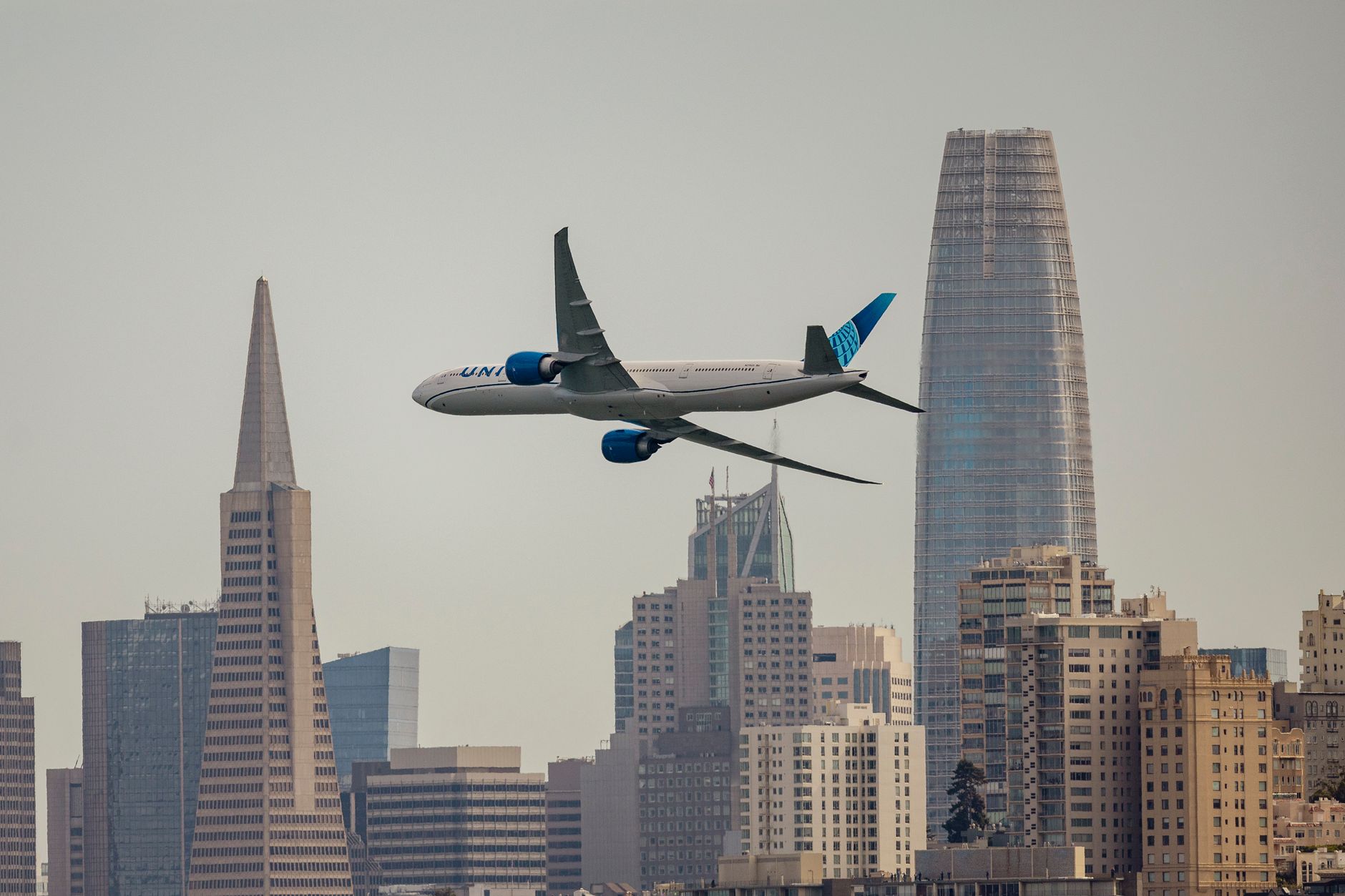
Major carriers including American Airlines, United Airlines, Delta Air Lines, and British Airways are playing a pivotal role in this transformation. These airlines have significantly expanded their international route networks, increased flight frequencies, and invested in larger aircraft to accommodate growing demand.
The investment goes beyond aircraft. These carriers have enhanced airport facilities, negotiated better slots at key international hubs, and formed strategic partnerships that create seamless travel experiences. When British Airways adds a new route to a US city, it's not just creating airline jobs—it's opening a corridor for thousands of visitors who will spend money on hotels, restaurants, attractions, and retail.
The Hidden Jobs Multiplier
While airline employment itself has rebounded strongly, the real story lies in the cascading effect of international visitor spending. Every million dollars spent by international tourists supports jobs across numerous sectors that many wouldn't immediately associate with tourism.
Job Creation Across Sectors
The employment boom extends far beyond obvious tourism roles:
- Hospitality and accommodation services see direct hiring increases
- Restaurants and food service operations expand staff to meet demand
- Retail establishments in tourist areas require additional workers
- Transportation services including rental cars, ride-sharing, and local tours grow
- Entertainment venues and cultural institutions add personnel
- Construction workers build and renovate hotels and tourist infrastructure
- Marketing and digital services promote destinations and manage bookings
- Event planning and management services handle increased business
For every front-line tourism job created, economists estimate that 1.5 to 2 additional jobs emerge in supporting industries. A hotel receptionist's employment supports positions in laundry services, food suppliers, maintenance contractors, and technology providers.
Regional Economic Impact
This tourism surge isn't confined to traditional gateway cities like New York, Los Angeles, and Miami. Secondary markets are experiencing remarkable growth as airlines establish new routes. Cities such as Austin, Nashville, Charleston, and Portland have seen international visitor numbers surge, transforming local economies and creating opportunities in communities that previously had limited exposure to global tourism.
The economic democratization of tourism means that employment opportunities are spreading beyond coastal hubs into America's heartland. A new international route can transform a regional airport into an economic engine, supporting everything from duty-free retail to ground handling services.
International Visitor Spending Patterns
International visitors typically spend more per trip than domestic travellers, staying longer and venturing beyond primary tourist attractions. This spending pattern creates sustained employment rather than seasonal spikes. When visitors from Europe or Asia spend two to three weeks exploring multiple US regions, they generate economic activity across diverse communities.
The spending isn't limited to traditional tourism categories. International visitors purchase electronics, designer goods, and everyday items to take home, supporting retail employment. They require mobile phone services, travel insurance, and currency exchange—each transaction supporting jobs in financial and technology services.
Future Outlook
As airlines continue expanding capacity and international travel fully recovers to pre-pandemic levels, the employment multiplier effect should strengthen further. The infrastructure investments being made today—new hotels, improved attractions, enhanced transportation networks—will support tourism employment for decades to come.
The challenge for policymakers and industry leaders will be ensuring this growth remains sustainable and that employment opportunities translate into quality jobs with career advancement potential. The current boom offers a unique opportunity to reshape tourism employment into a sector offering long-term career paths rather than temporary positions.