Nelson Mandela famously declared that "education is the most powerful weapon which you can use to change the world." These words, spoken by a leader who transformed a nation torn by apartheid, resonate deeply with India's ongoing struggle to build an education system that serves all its citizens equitably and effectively. As India grapples with issues ranging from learning poverty to infrastructure gaps, Mandela's philosophy offers a blueprint worth examining.
The Current State of Indian Education
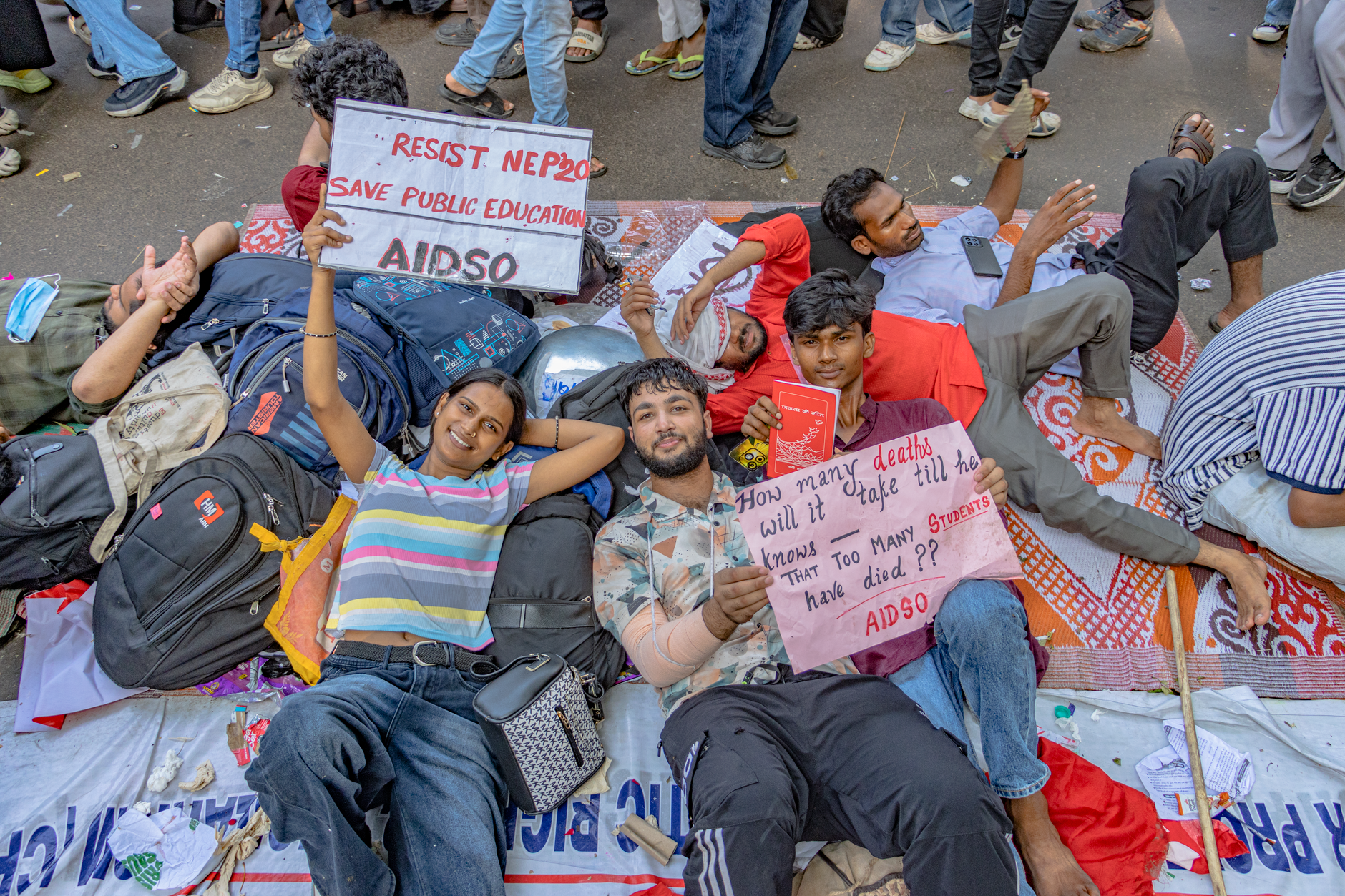
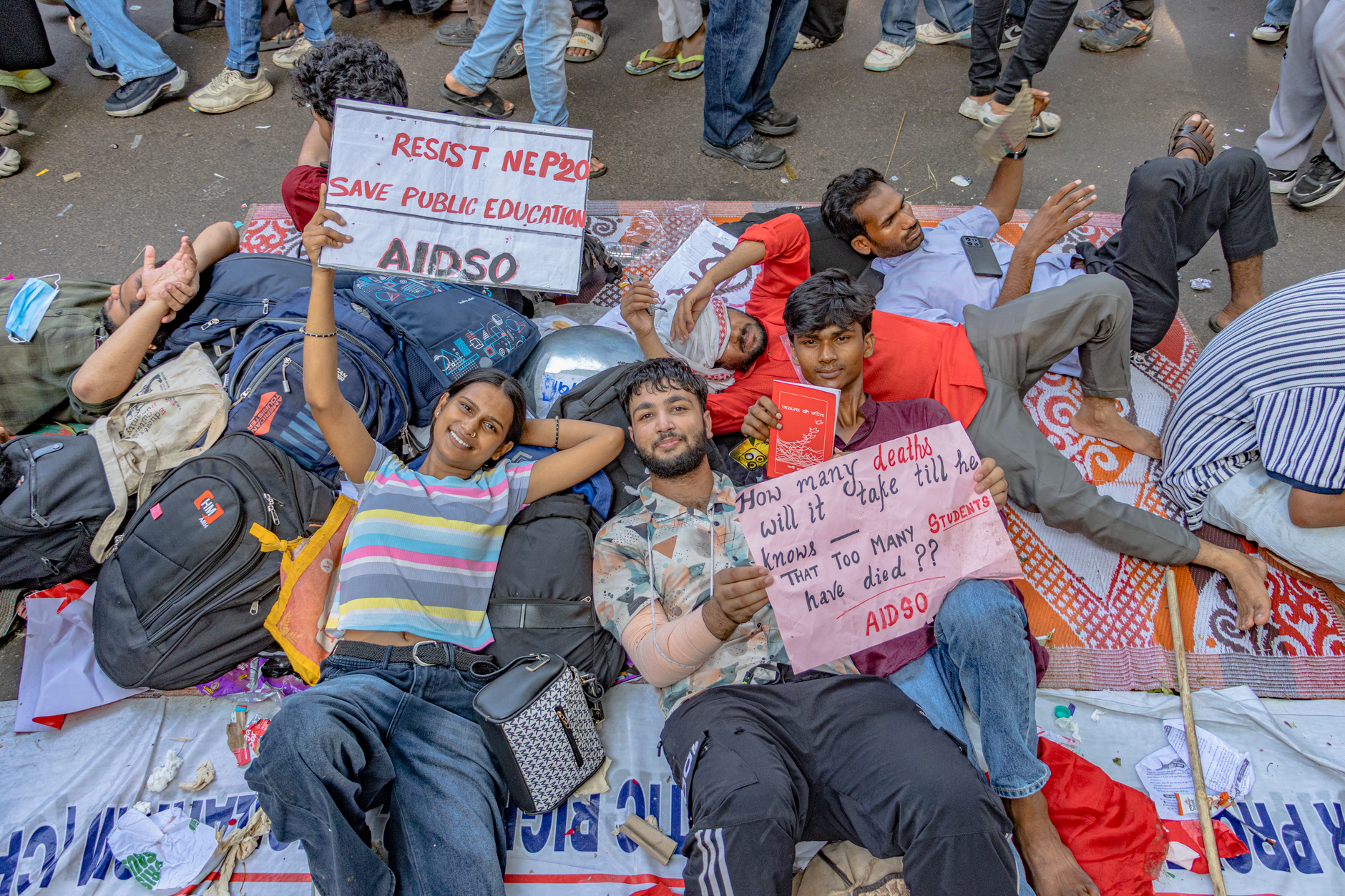
India has made remarkable strides in educational access over the past two decades. Gross enrollment ratios have improved significantly, and initiatives like the Right to Education Act have brought millions of children into classrooms. However, the quality of learning remains a persistent concern. Reports consistently show that a significant proportion of students in elementary grades cannot read age-appropriate texts or perform basic arithmetic operations.
The system also struggles with stark inequalities. Urban-rural divides, socioeconomic disparities, and gender gaps continue to shape educational outcomes. While elite institutions produce world-class graduates, millions of children in government schools lack basic facilities like functional toilets, libraries, or qualified teachers.
Mandela's Vision of Inclusive Education
Mandela's approach to education was fundamentally rooted in inclusivity and empowerment. Having been denied quality education himself under apartheid, he understood education not merely as literacy or credentialing, but as a tool for dignity, critical thinking, and social transformation. His government's post-apartheid policies prioritized reaching the most marginalized communities first.
This approach contrasts with education systems that inadvertently reinforce existing hierarchies. In India, children from disadvantaged backgrounds often attend under-resourced schools, perpetuating cycles of poverty. Mandela's emphasis on equity-first policies suggests that improving education for the most vulnerable should be the primary metric of success, not just overall enrollment numbers or the performance of top institutions.
Building Education as Foundation for Democracy
Mandela saw education as essential for nurturing informed, engaged citizens capable of participating in democratic governance. This vision extends beyond vocational training or exam performance to include critical thinking, ethical reasoning, and civic awareness.
Indian education has historically emphasized rote learning and examination success. The National Education Policy 2020 attempts to address this by promoting experiential learning, critical thinking, and multidisciplinary approaches. However, implementation remains uneven. Mandela's legacy reminds us that education should cultivate questioning minds and ethical citizens, not just employable workers.
The Teacher as Change Agent
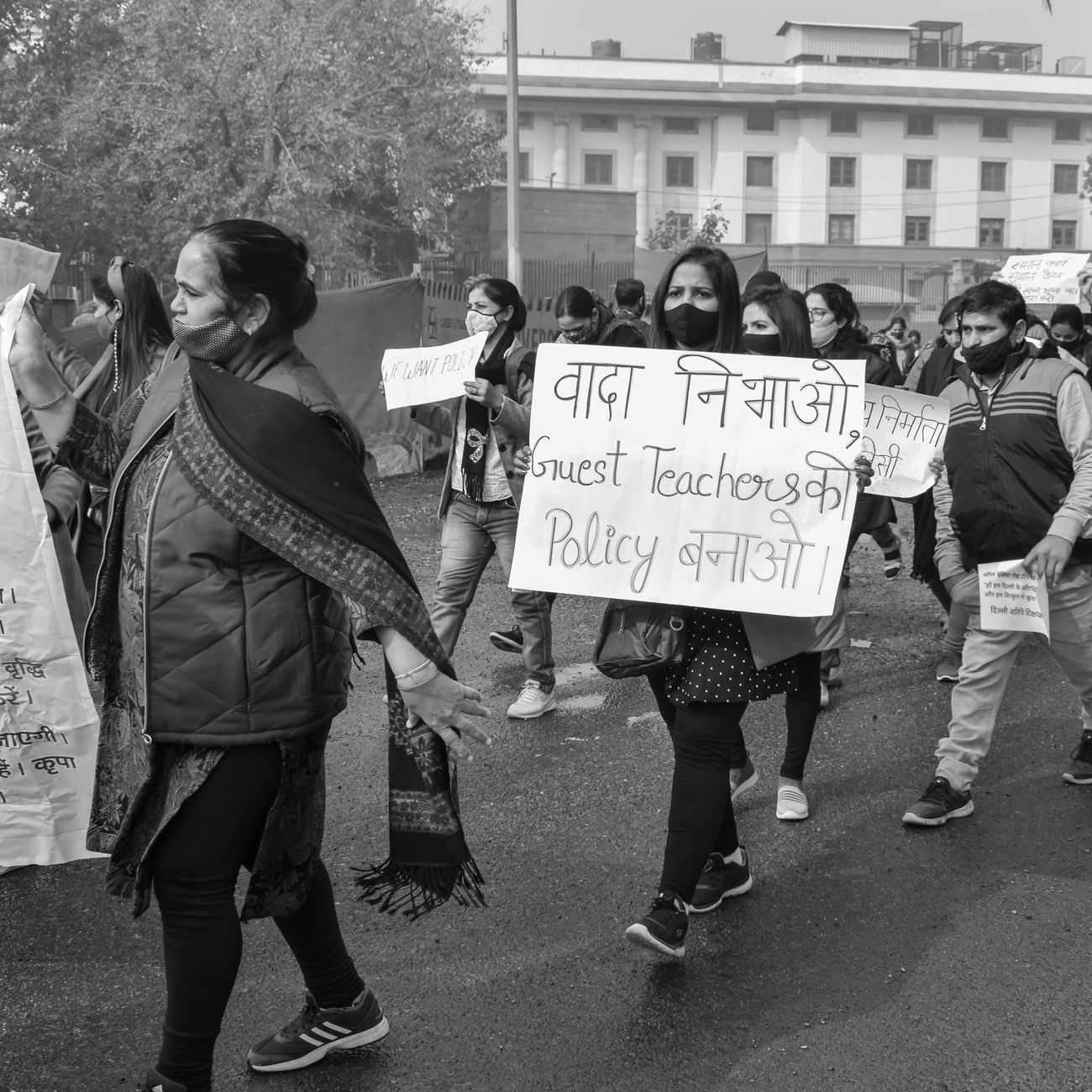
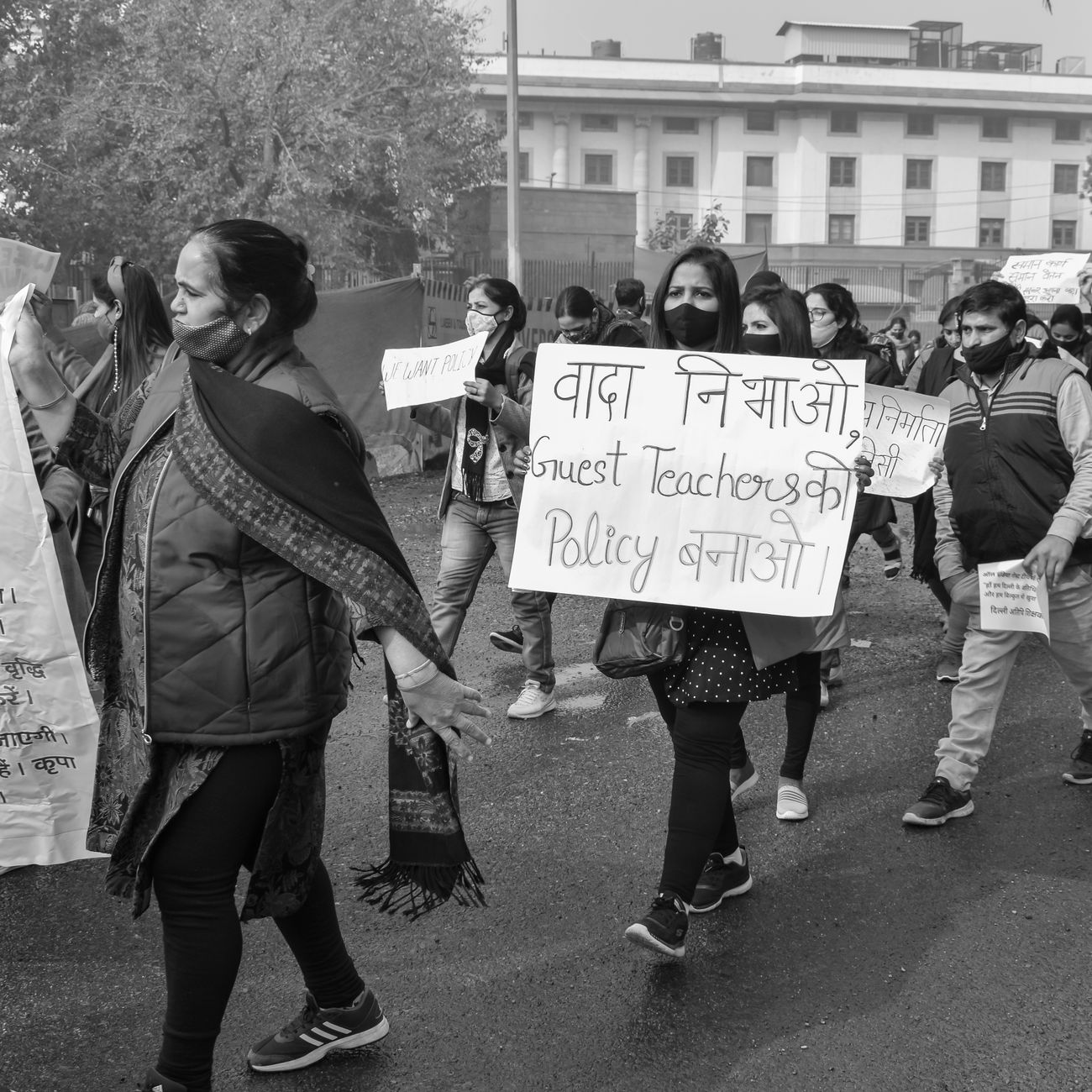
Central to Mandela's philosophy was respect for teachers as agents of transformation. He understood that no education system could exceed the quality of its teaching workforce. This principle has clear implications for India, where teacher shortages, inadequate training, and low morale plague many schools.
Attracting talented individuals to teaching, providing continuous professional development, and respecting teachers' professional judgment are essential. Finland's educational success, often cited as exemplary, rests largely on making teaching a prestigious profession. India must similarly elevate the teaching profession rather than treating it as a fallback career option.
Practical Steps Forward
Drawing from Mandela's approach, several concrete reforms could strengthen Indian education. First, resource allocation should prioritize schools serving disadvantaged communities rather than following existing privilege patterns. Second, curriculum reform should emphasize critical thinking alongside knowledge acquisition. Third, teacher education institutions need substantial investment and quality standards.
Community involvement, another Mandela priority, deserves greater emphasis. When parents and local communities actively participate in school governance, accountability improves and education becomes more relevant to local contexts. The School Management Committee concept exists in Indian law but often remains a paper exercise.
Finally, measurement matters. If we assess educational success primarily through competitive exam results, we'll continue producing students optimized for tests rather than life. Alternative assessment methods that evaluate creativity, problem-solving, and social-emotional skills deserve greater weight.
Conclusion
Mandela's words remind us that education's purpose extends beyond economic productivity to human dignity and social transformation. For India, with its aspirations of becoming a developed nation by 2047, building an education system guided by these principles isn't optional—it's essential. The question isn't whether we can afford to implement Mandela-inspired reforms, but whether we can afford not to.
This article is intended for general informational purposes only. Educational policy involves complex considerations that vary by region and context, and readers should consult official government resources and education experts for specific guidance.