
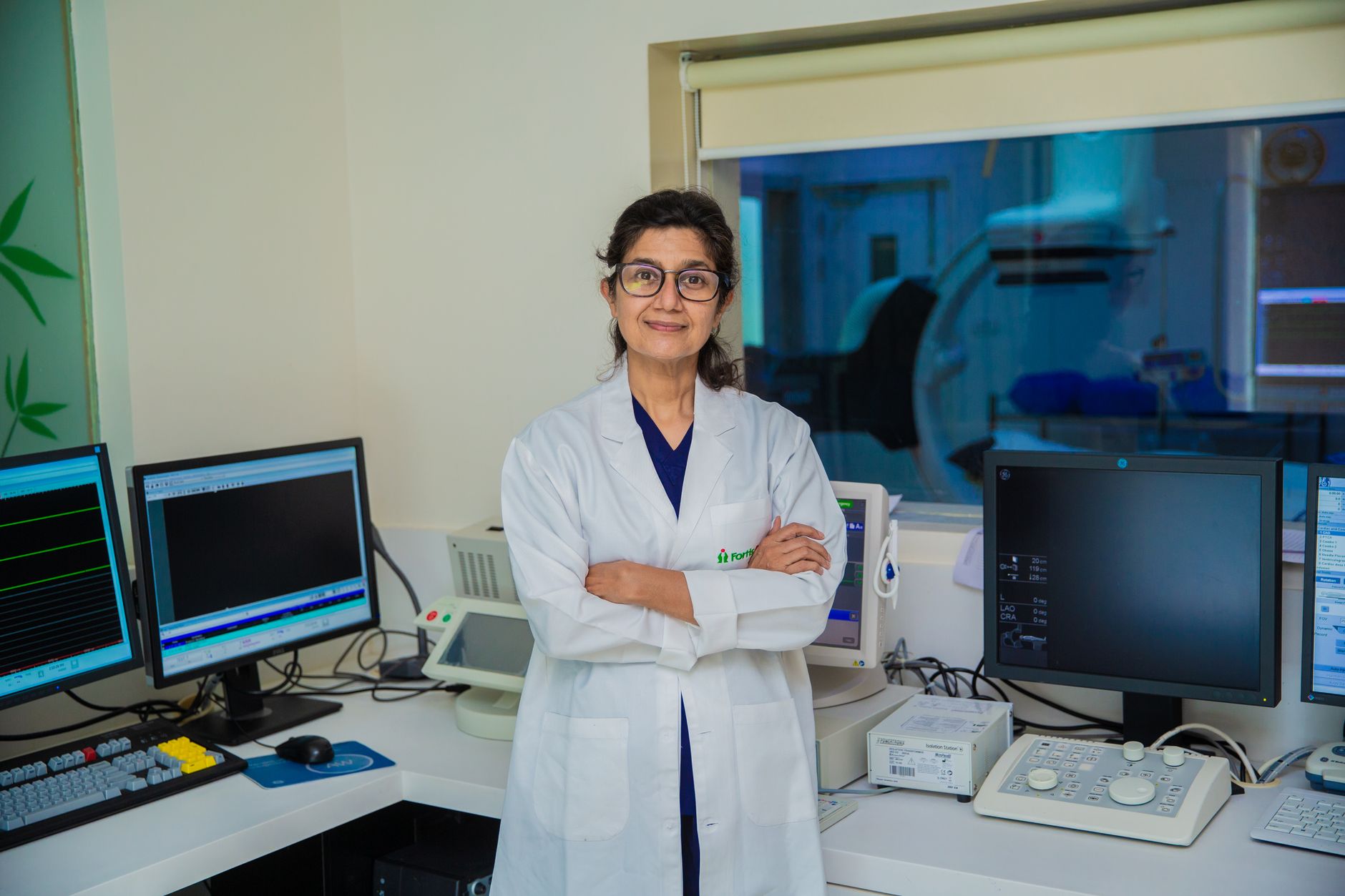
India has emerged as one of the world's leading medical tourism destinations, attracting hundreds of thousands of international patients annually seeking affordable yet high-quality healthcare. However, experts from the Indian Institutes of Management emphasize that technical excellence alone is insufficient to sustain and expand this growth. Cultural sensitivity and clear communication are becoming critical differentiators in an increasingly competitive global healthcare market.
The Current State of Medical Tourism in India
India's medical tourism industry has grown significantly over the past two decades, with patients arriving from across the Middle East, Africa, South Asia, and increasingly from Western countries. The appeal is straightforward: procedures that cost tens of thousands of dollars in the United States or Europe can be performed in India for a fraction of the price, often with comparable or superior outcomes.
The country offers world-class facilities in metropolitan areas like Delhi, Mumbai, Chennai, and Bangalore, staffed by internationally trained physicians and equipped with cutting-edge technology. Cardiac surgery, orthopedic procedures, organ transplants, and cosmetic surgeries are among the most sought-after treatments.
Why Cultural Sensitivity Matters
International patients arrive in India not just with medical needs but also with diverse cultural backgrounds, religious beliefs, dietary requirements, and communication preferences. A patient from Nigeria may have different expectations than someone from Bangladesh or the United Kingdom. Understanding these nuances can significantly impact patient comfort, treatment adherence, and overall satisfaction.
Cultural sensitivity extends beyond language translation. It encompasses understanding religious dietary restrictions, prayer times and spaces, modesty concerns during examinations, family involvement in medical decision-making, and attitudes toward certain treatments or procedures. For instance, some cultures prefer family-centered decision-making rather than the Western model of individual patient autonomy.
Hospitals that successfully integrate cultural awareness into their patient care protocols report higher satisfaction scores and better word-of-mouth referrals, which remain the most powerful marketing tool in medical tourism.
Communication Challenges and Solutions
Effective communication represents another critical challenge. While many Indian doctors are fluent in English, not all support staff share this proficiency. Meanwhile, patients may speak Arabic, Russian, French, or other languages with limited or no English capability.
Miscommunication can lead to serious consequences, including medication errors, misunderstanding of post-operative instructions, or failure to obtain proper informed consent. These issues create legal vulnerabilities and can severely damage a facility's reputation.
Progressive hospitals are addressing this by employing multilingual staff, providing professional medical interpreters, creating multilingual signage and documentation, and offering translation apps for routine communications. Some facilities have even established dedicated international patient departments with culturally trained liaison officers who guide patients through their entire medical journey.
Training Healthcare Workers in Cultural Competence
Medical and hospitality staff require systematic training in cultural competence. This goes beyond brief orientations to ongoing education about the cultural backgrounds of primary patient populations. Role-playing scenarios, case studies, and feedback from international patients help staff develop empathy and practical skills.
Understanding non-verbal communication differences is equally important. Gestures, eye contact, personal space, and even silence carry different meanings across cultures. A gesture considered reassuring in one culture might be offensive in another.
The Business Case for Cultural Investment
Investing in cultural sensitivity and communication infrastructure is not merely ethically sound but makes strong business sense. The global medical tourism market is highly competitive, with countries like Thailand, Singapore, Turkey, and Malaysia also vying for international patients.
Patient satisfaction directly correlates with repeat visits and referrals. Dissatisfied patients share negative experiences widely on social media and review platforms, potentially deterring dozens of prospective patients. Conversely, patients who feel respected, understood, and well-cared-for become ambassadors for Indian healthcare.
Furthermore, cultural competence reduces the risk of medical errors and legal complications, protecting hospitals from costly litigation and regulatory problems.
Looking Forward
As India positions itself to capture a larger share of the global medical tourism market, technical medical capabilities must be matched with equal attention to the human elements of care. Hospitals that prioritize cultural sensitivity and clear communication will distinguish themselves in an increasingly crowded marketplace.
The experts' recommendations suggest that India's medical tourism future depends not just on surgical skill and modern equipment but on creating a welcoming, understanding environment where international patients feel valued and safe throughout their healing journey.
This article is for general informational purposes only and does not constitute medical or professional advice. Healthcare decisions should be made in consultation with qualified medical professionals.