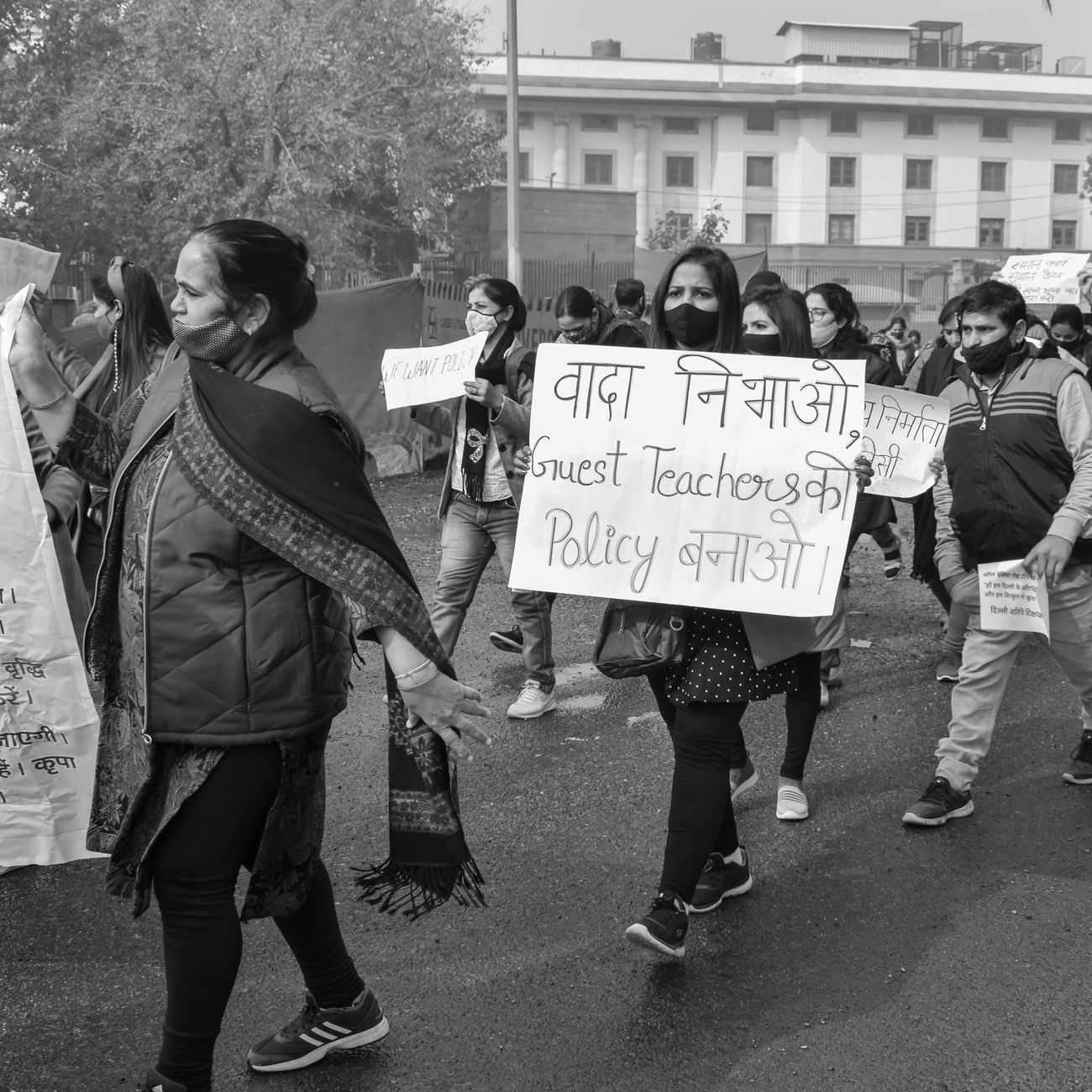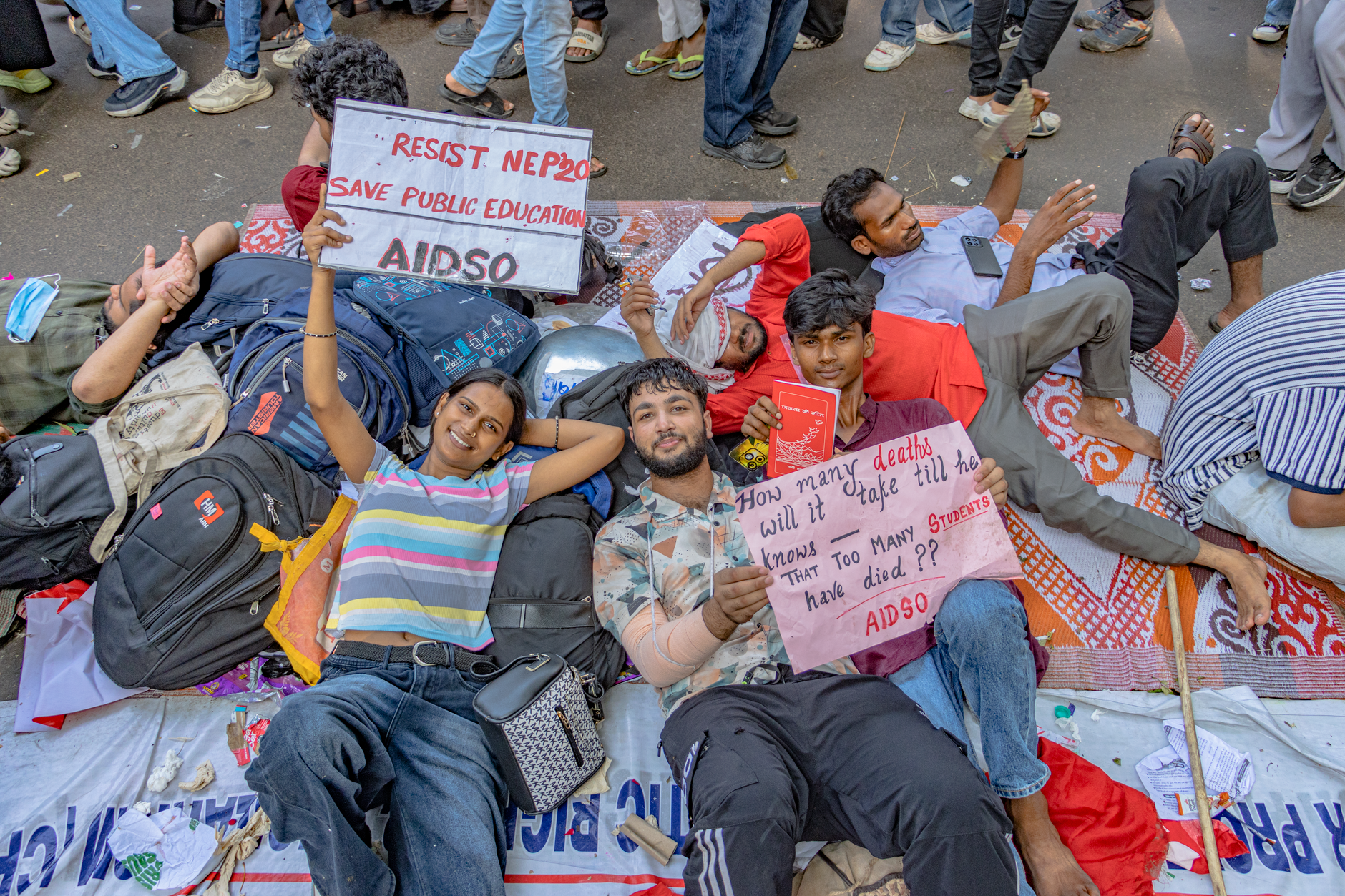
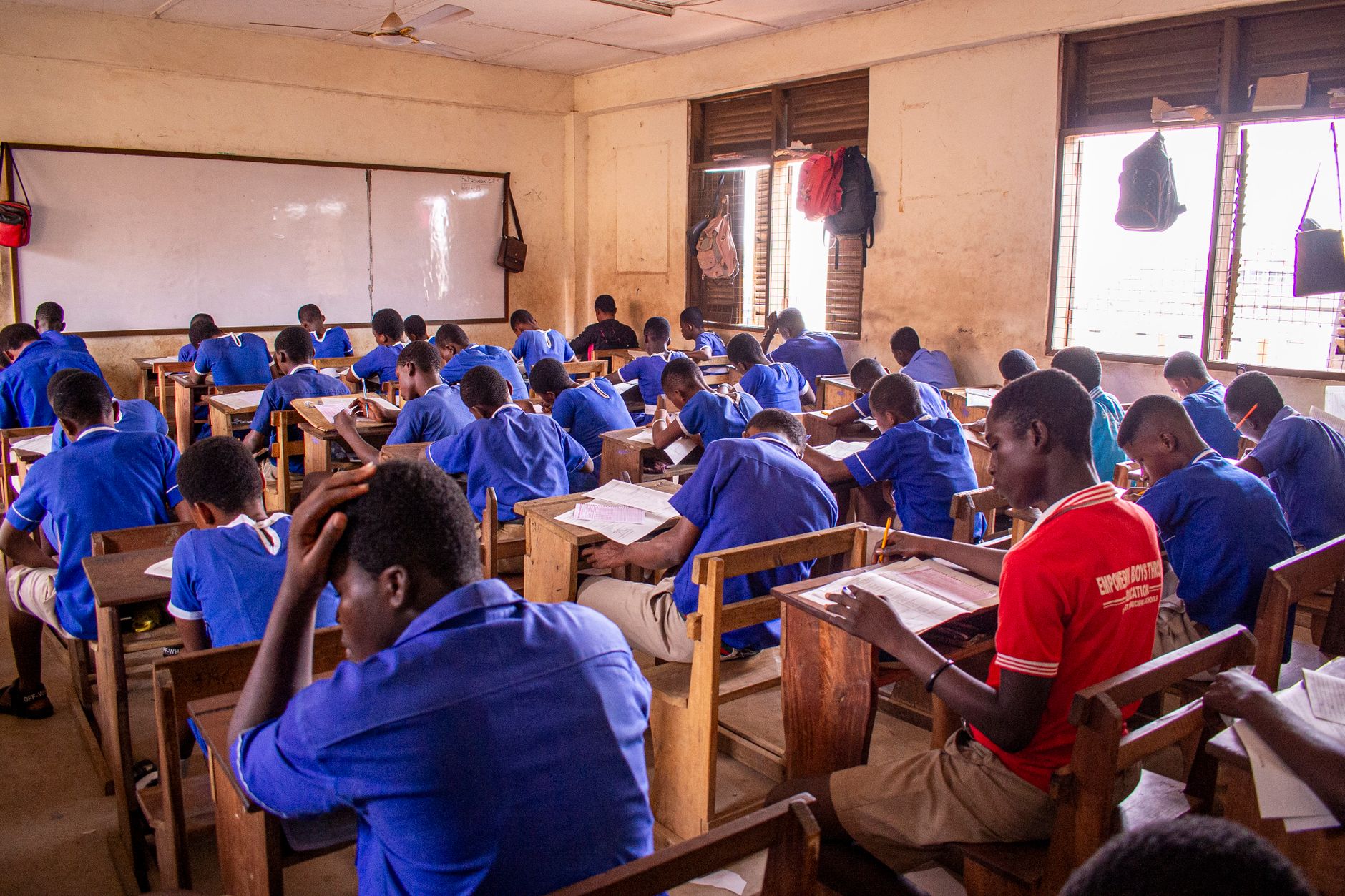
A dramatic two-week hunger strike by student activists has thrust India's examination system into the national spotlight, raising urgent questions about an educational framework that millions of young Indians navigate each year. The protest underscores deep-seated concerns about how testing shapes not just academic outcomes, but mental health, career prospects, and the fundamental approach to learning in the world's most populous nation.
The Pressure Cooker Reality
India's examination system is notoriously high-stakes, with single tests often determining university admissions, scholarship opportunities, and career trajectories. Board examinations at the Class 10 and Class 12 levels are watershed moments for students, while competitive entrance exams like JEE for engineering, NEET for medicine, and UPSC for civil services attract millions of aspirants annually.
The sheer scale is staggering. The National Testing Agency conducts exams for over 10 million candidates each year, with acceptance rates at premier institutions often below 1 per cent. This creates an intensely competitive environment where coaching institutes flourish and students spend years preparing for tests that may last just a few hours.
What Protesters Are Demanding
Student activists typically raise several core concerns about the current system. Foremost is the emphasis on rote memorisation over critical thinking and practical application. Critics argue that students are trained to reproduce textbook answers rather than develop analytical skills or creative problem-solving abilities.
The examination schedule itself comes under fire, with multiple high-stakes tests crammed into short periods, creating immense psychological pressure. Allegations of paper leaks, irregularities in marking, and technical glitches during online examinations have also fueled distrust in the system's fairness and transparency.
Many protesters advocate for:
- Continuous assessment models rather than single-exam determinism
- Greater emphasis on skill-based evaluation
- Reduction in syllabus burden
- Transparent grievance redressal mechanisms
- Mental health support infrastructure in educational institutions
- Multiple examination attempts without penalties
The Mental Health Crisis
The mental health toll of India's examination system cannot be overstated. Student suicides related to academic pressure remain a persistent concern, particularly in coaching hubs like Kota, Rajasthan, which has become synonymous with both engineering aspirations and tragic outcomes.
Parents often invest their life savings in coaching classes, creating additional emotional and financial pressure on students. The fear of disappointing family, combined with uncertain career prospects, creates a toxic stress environment that young people navigate during their formative years.
Psychologists point out that the current system can damage intrinsic motivation for learning, replacing curiosity with anxiety and the joy of discovery with the dread of failure.
Government Responses and Reform Efforts
The Indian government has acknowledged some of these concerns through the National Education Policy 2020, which proposes reducing the emphasis on rote learning and introducing more holistic evaluation methods. The policy envisions board examinations becoming lower-stakes and advocates for competency-based learning.
However, implementation remains patchy and slow. State governments control much of the educational infrastructure, leading to uneven adoption of reforms. Universities and professional colleges continue to rely heavily on entrance examination scores, perpetuating the high-stakes testing culture regardless of policy intentions.
Some institutions have begun experimenting with alternative admission criteria, considering portfolios, aptitude assessments, and interview performance alongside test scores. These remain exceptions rather than the rule.
The Global Context
India's examination-centric approach contrasts with educational systems in many developed nations, where continuous assessment, project work, and diverse evaluation methods play larger roles. Countries like Finland and Singapore have successfully balanced rigorous academic standards with student well-being, offering potential models for reform.
However, defenders of India's current system argue that standardised examinations provide objective meritocracy in a diverse country where recommendation letters or subjective assessments might favour privileged students with better connections or English-language skills.
The Path Forward
Meaningful reform requires balancing legitimate concerns about examination stress with practical realities of evaluating millions of students fairly. This includes investing in teacher training for assessment methods beyond testing, upgrading technological infrastructure to prevent examination irregularities, and creating multiple pathways to success that don't hinge solely on a single examination performance.
The hunger strike, regardless of its immediate outcome, has succeeded in amplifying a conversation that affects virtually every Indian family. Whether policymakers respond with substantive changes or cosmetic adjustments will shape the educational experiences and mental health of generations to come.
This article is intended for general informational purposes only and does not constitute professional educational or psychological advice. Readers concerned about examination-related stress should seek appropriate support from qualified counsellors or mental health professionals.