
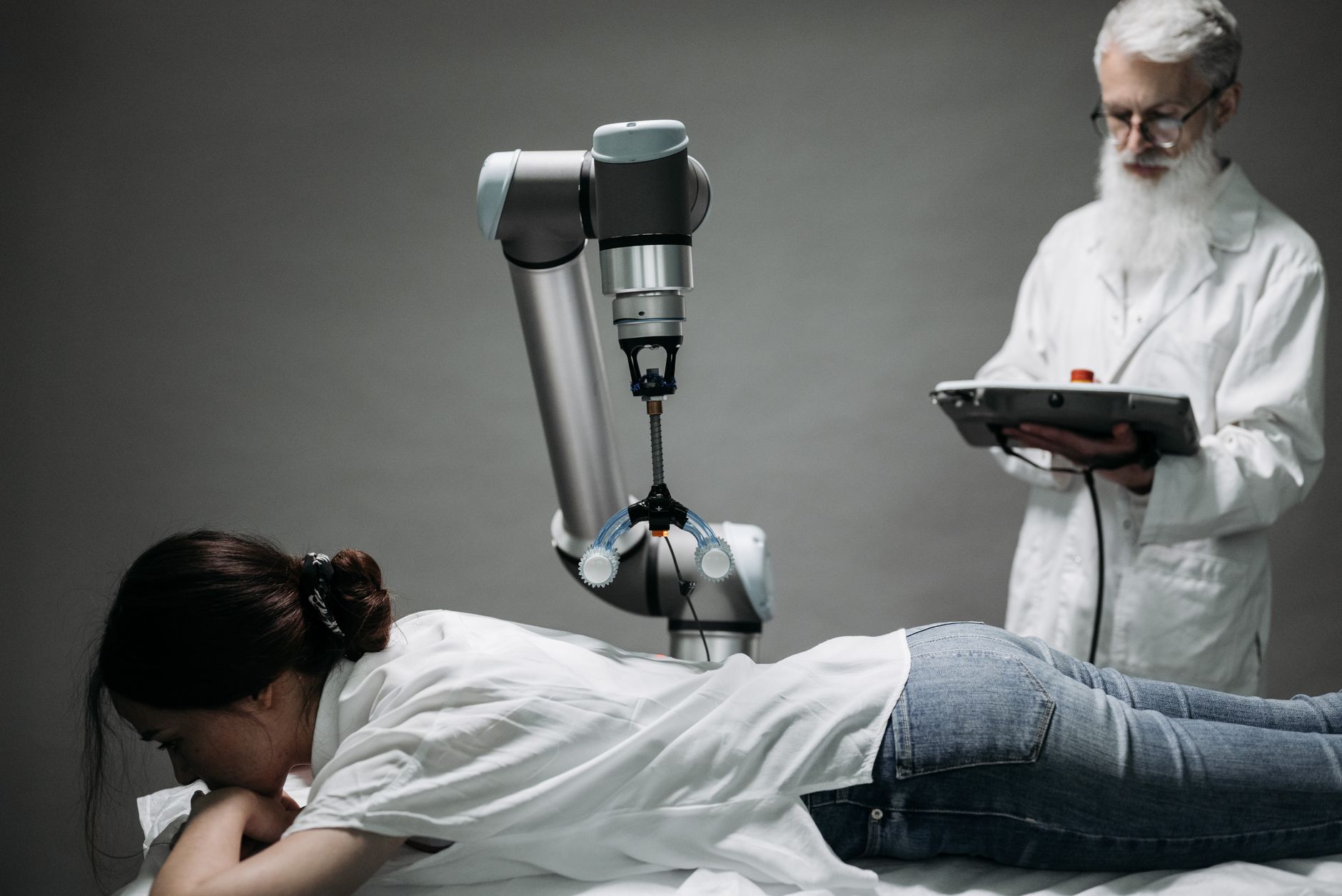
India's healthcare system faces a persistent challenge: a shortage of trained medical professionals, particularly in rural and remote areas. With approximately 70% of the population living outside major cities and only one doctor for every 1,400 people, millions lack access to quality healthcare. Artificial intelligence is emerging as a powerful tool to bridge this gap, enabling frontline health workers to deliver better care with limited resources.
The Frontline Healthcare Challenge
India's healthcare infrastructure relies heavily on frontline workers including ASHA workers, auxiliary nurse midwives, and community health officers. These workers often serve as the first and sometimes only point of contact for medical care in underserved areas. However, they frequently lack extensive medical training and must make critical decisions with limited support from qualified physicians.
Traditional healthcare delivery models struggle to scale in a country as vast and diverse as India. Telemedicine has made some inroads, but connectivity issues and the need for real-time specialist consultation remain barriers. This is where AI-powered protocol assistance is making a tangible difference.
How AI Supports Healthcare Workers
AI applications designed for frontline healthcare workers function as digital assistants that guide clinical decision-making. These tools typically work on basic smartphones and can operate with intermittent internet connectivity, making them practical for field use.
The technology works by incorporating medical protocols, diagnostic algorithms, and treatment guidelines into user-friendly interfaces. When a health worker encounters a patient, they input symptoms and basic information. The AI system then suggests possible diagnoses, recommends appropriate tests, and outlines treatment protocols aligned with national healthcare guidelines.
Key Applications in Indian Healthcare
Several AI-driven initiatives are already transforming healthcare delivery across India:
- Maternal and child health programs use AI to monitor pregnancy complications and guide antenatal care
- Tuberculosis screening tools help identify cases earlier through chest X-ray analysis and symptom assessment
- Diabetes and hypertension management protocols assist in chronic disease monitoring in communities
- Triage systems help workers prioritize cases requiring urgent referral to higher facilities
- Diagnostic support for skin conditions, eye diseases, and common infections
These applications don't replace human judgment but augment it, helping workers follow evidence-based protocols consistently and reducing errors that can occur from fatigue or inexperience.
Real-World Impact
Early implementations of AI-assisted healthcare protocols have shown promising results. Health workers report increased confidence in their clinical decisions, particularly when managing unfamiliar conditions. Patients benefit from more standardized care that aligns with best practices, regardless of their geographic location.
The technology also creates a feedback loop for improving healthcare quality. Anonymized data from thousands of consultations helps identify patterns in disease prevalence, treatment effectiveness, and resource allocation needs. This information supports public health planning and helps governments respond more effectively to emerging health challenges.
Challenges and Considerations
Despite its potential, AI in frontline healthcare faces several hurdles. Digital literacy among health workers varies considerably, requiring thoughtful training programs and intuitive interface design. Language barriers necessitate applications available in multiple Indian languages with culturally appropriate terminology.
Data privacy and security remain critical concerns. Healthcare information is sensitive, and systems must incorporate robust protection measures while remaining accessible to authorized users. Infrastructure challenges, including unreliable electricity and limited internet connectivity in remote areas, require solutions that work offline or with minimal bandwidth.
There's also the question of accountability. When AI assists in clinical decisions, clear protocols must define when human oversight is mandatory and how responsibility is shared between technology and healthcare workers.
The Path Forward
The integration of AI into India's healthcare frontline represents a pragmatic approach to expanding access to quality care. Rather than waiting for the number of doctors to catch up with population needs, this technology leverages existing human resources more effectively.
Success will require continued collaboration between technology developers, healthcare professionals, policymakers, and communities. As these tools evolve, they must remain grounded in the realities of Indian healthcare delivery while aspiring to international standards of medical care.
The vision of putting medical protocols in every pocket is becoming reality, one smartphone at a time. For millions of Indians in underserved areas, this technology may mean the difference between receiving timely, appropriate care and going without treatment altogether.
This article is for general informational purposes only and does not constitute medical advice. Healthcare decisions should always be made in consultation with qualified medical professionals following appropriate clinical guidelines and regulations.