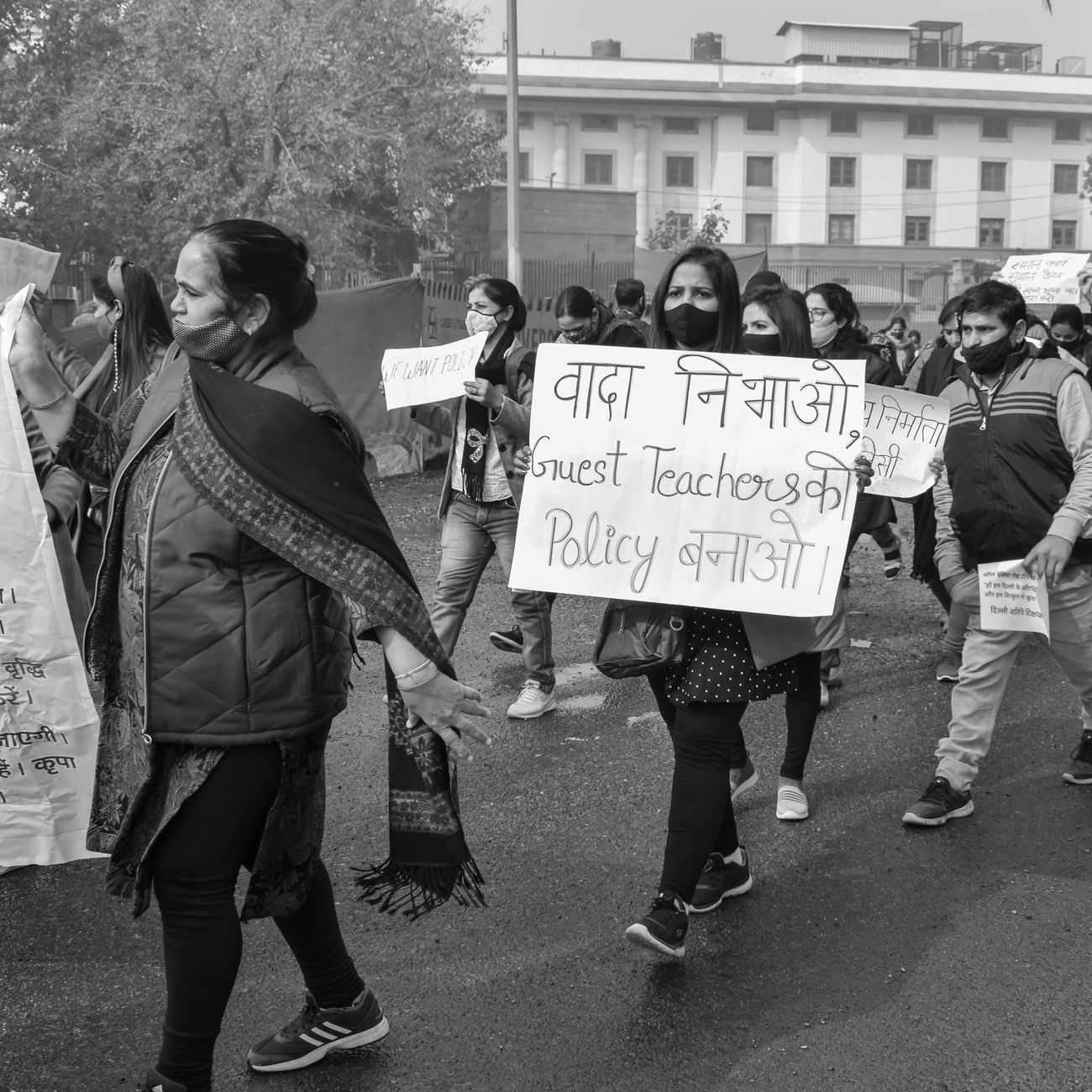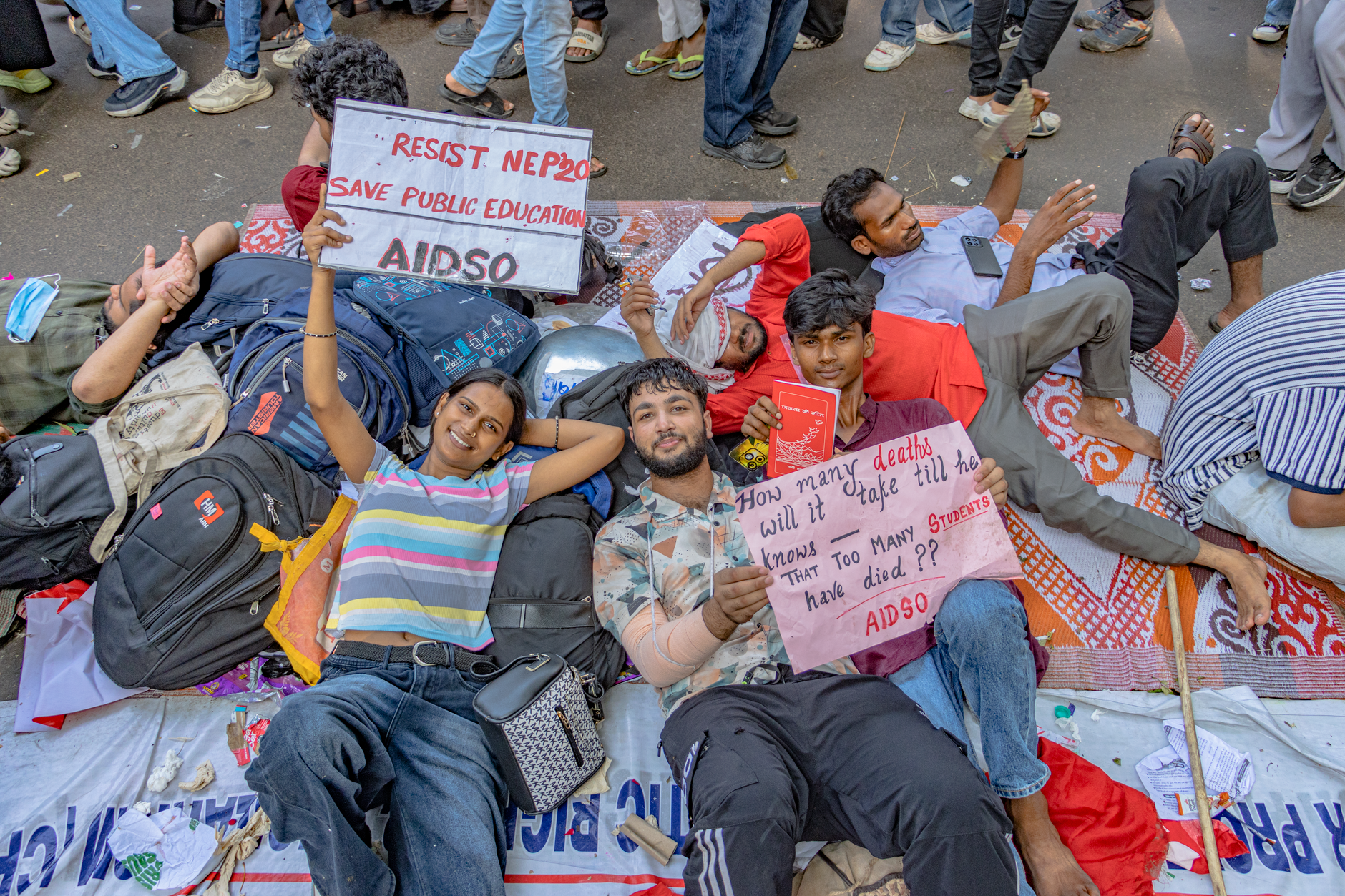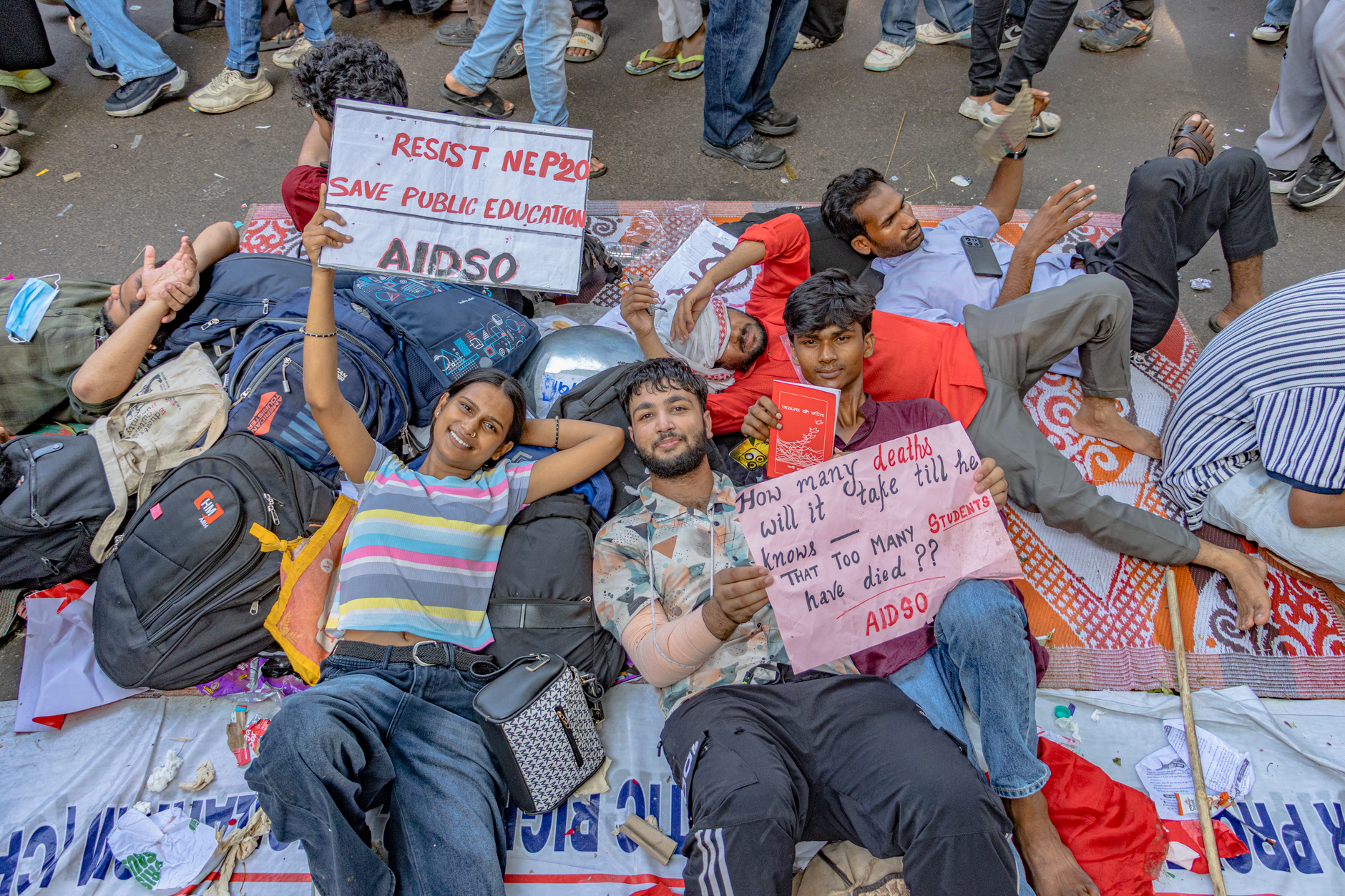
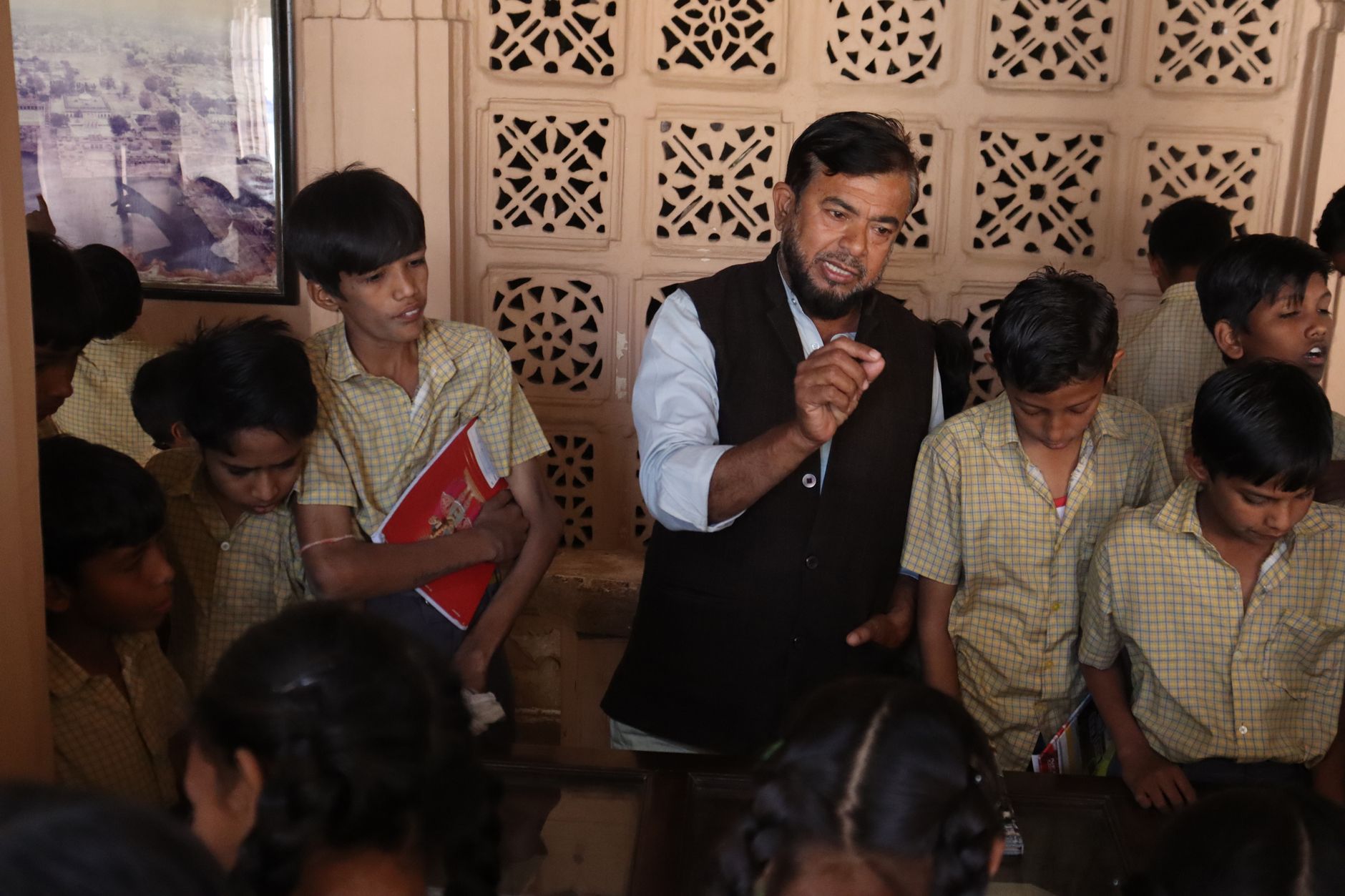
The appointment of senior BJP leader Pralhad Joshi to oversee India's education portfolio has triggered a fresh political confrontation between the ruling party and the opposition Congress. The controversy highlights ongoing debates about ministerial qualifications, educational reform priorities, and the politicization of crucial governance portfolios in contemporary India.
Background of the Appointment
Pralhad Joshi, a prominent figure within the Bharatiya Janata Party and a seasoned parliamentarian, has been entrusted with responsibilities related to India's education sector. The minister, who has previously held various portfolios in the central government, brings parliamentary experience and administrative background to the role. However, his appointment has not been without criticism from opposition benches.
Congress Party's Objections
The Congress party has raised several concerns regarding Joshi's suitability for the education ministry. Opposition leaders have questioned whether the minister possesses adequate understanding of India's complex educational challenges, which range from foundational literacy to higher education reform. Critics have pointed to the need for specialized expertise in educational policy, pedagogy, and the unique challenges facing India's diverse student population across urban and rural divides.
Congress spokespersons have emphasized that India's education sector requires visionary leadership capable of addressing critical issues such as improving learning outcomes, reducing dropout rates, bridging the digital divide, and implementing the National Education Policy 2020 effectively. They argue that ministerial appointments should prioritize domain expertise and demonstrated commitment to educational advancement.
BJP's Defense
The ruling Bharatiya Janata Party has robustly defended Joshi's appointment, asserting that his extensive political experience and proven administrative capabilities make him well-suited to lead educational reforms. BJP representatives have highlighted Joshi's track record in previous ministerial roles and his understanding of governance mechanisms required to implement large-scale policy initiatives.
Party spokespersons have also pointed out that education ministry leadership requires strong administrative and coordination skills, given the federal structure where states play a significant role in education delivery. They argue that Joshi's political acumen and ability to build consensus across different stakeholders position him favorably for this responsibility.
The Broader Context
This political sparring reflects larger questions about how ministerial portfolios are allocated in India's parliamentary democracy. The education ministry oversees one of the country's most critical sectors, affecting hundreds of millions of students and shaping the nation's human capital development trajectory.
Key Challenges Ahead
Whoever leads the education ministry faces formidable challenges:
- Implementation of the National Education Policy 2020 across states with varying capacities
- Addressing learning loss caused by prolonged school closures during the pandemic
- Improving quality of education in government schools, particularly in rural areas
- Expanding access to quality higher education while maintaining academic standards
- Integrating technology effectively into teaching and learning processes
- Reducing disparities in educational outcomes across socio-economic groups
- Enhancing vocational education and skill development aligned with employment opportunities
Political Implications
The controversy over this appointment serves multiple political purposes for both parties. For Congress, it provides an opportunity to position itself as a defender of educational standards and to question the government's priorities. For BJP, defending the appointment allows the party to showcase its confidence in its leadership choices and to demonstrate its commitment to strengthening institutional delivery.
Such debates, while politically motivated, can sometimes contribute to public discourse about what qualifications and priorities should guide important appointments in democratic governance.
What This Means for Education Policy
Regardless of political disagreements, the education ministry's actual performance will ultimately be judged by concrete outcomes: improved literacy rates, better learning outcomes, successful implementation of reforms, and enhanced educational infrastructure. Stakeholders across the education ecosystem—teachers, administrators, students, and parents—will be watching closely to see how policy priorities translate into ground-level improvements.
The minister will need to work collaboratively with state governments, educational institutions, and civil society organizations to drive meaningful change in a sector that fundamentally shapes India's future.
This article presents general information about current political developments and does not constitute an endorsement of any political party or viewpoint. Readers are encouraged to consult multiple sources and form their own informed opinions on governance matters.