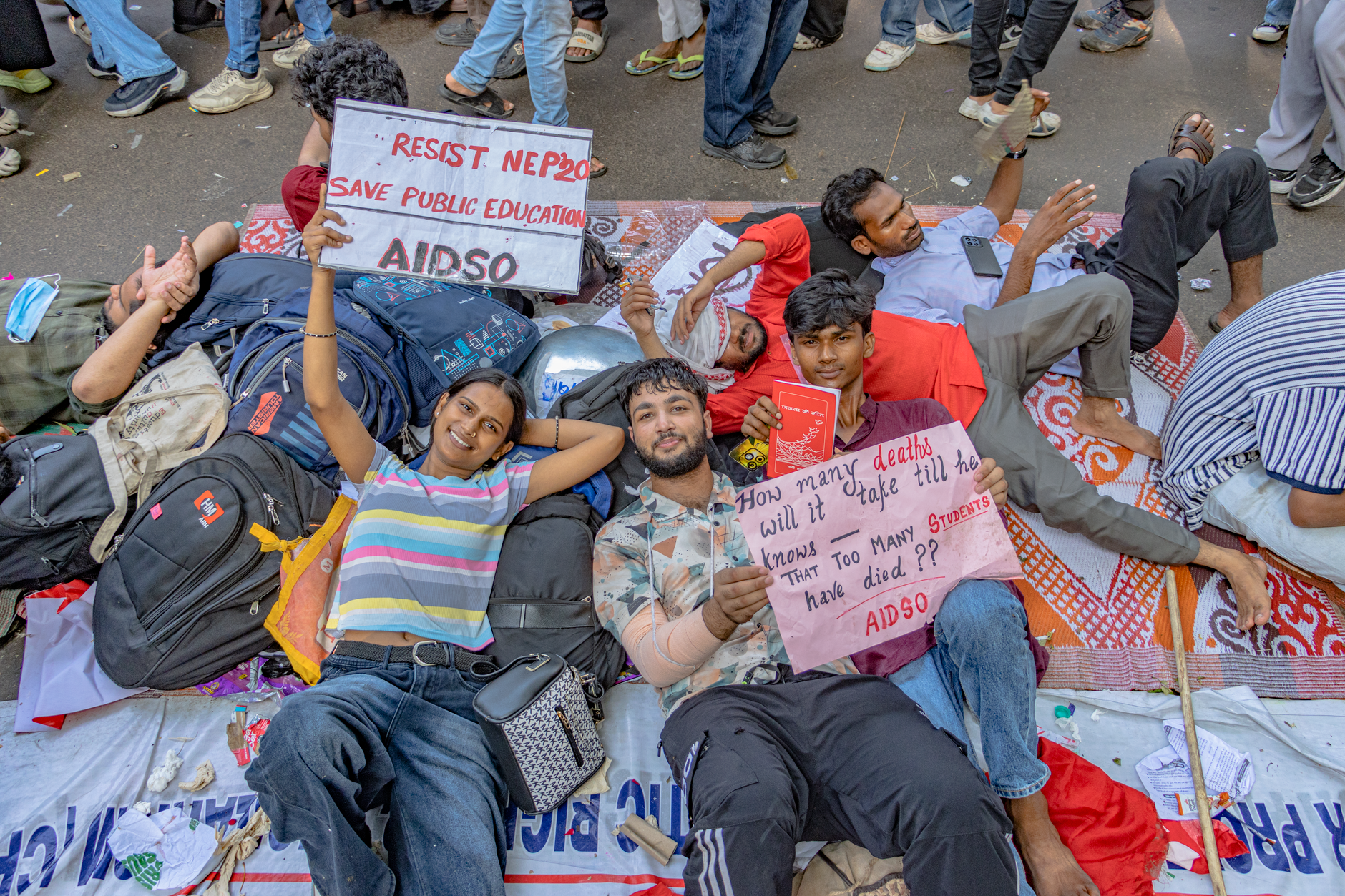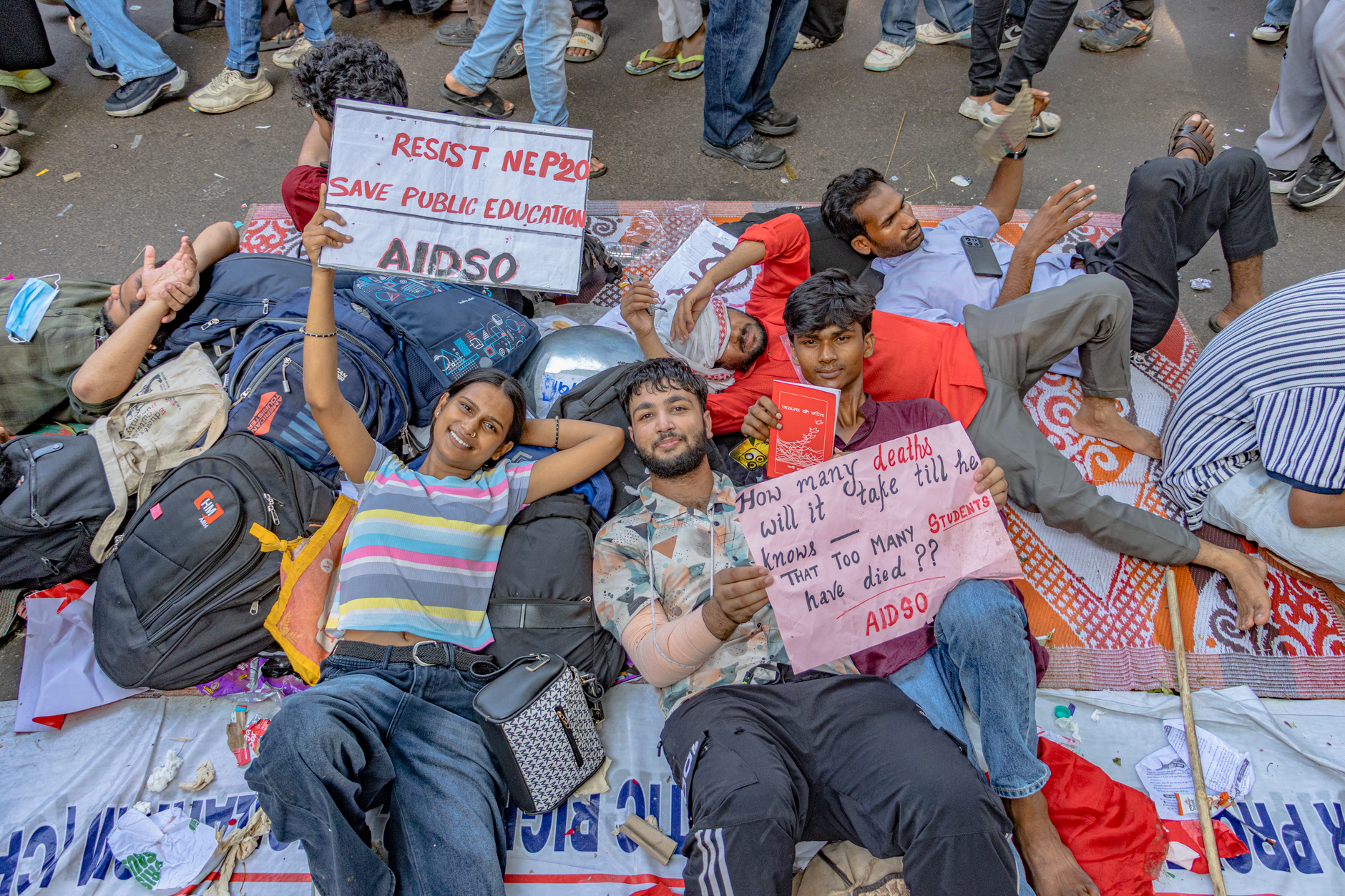
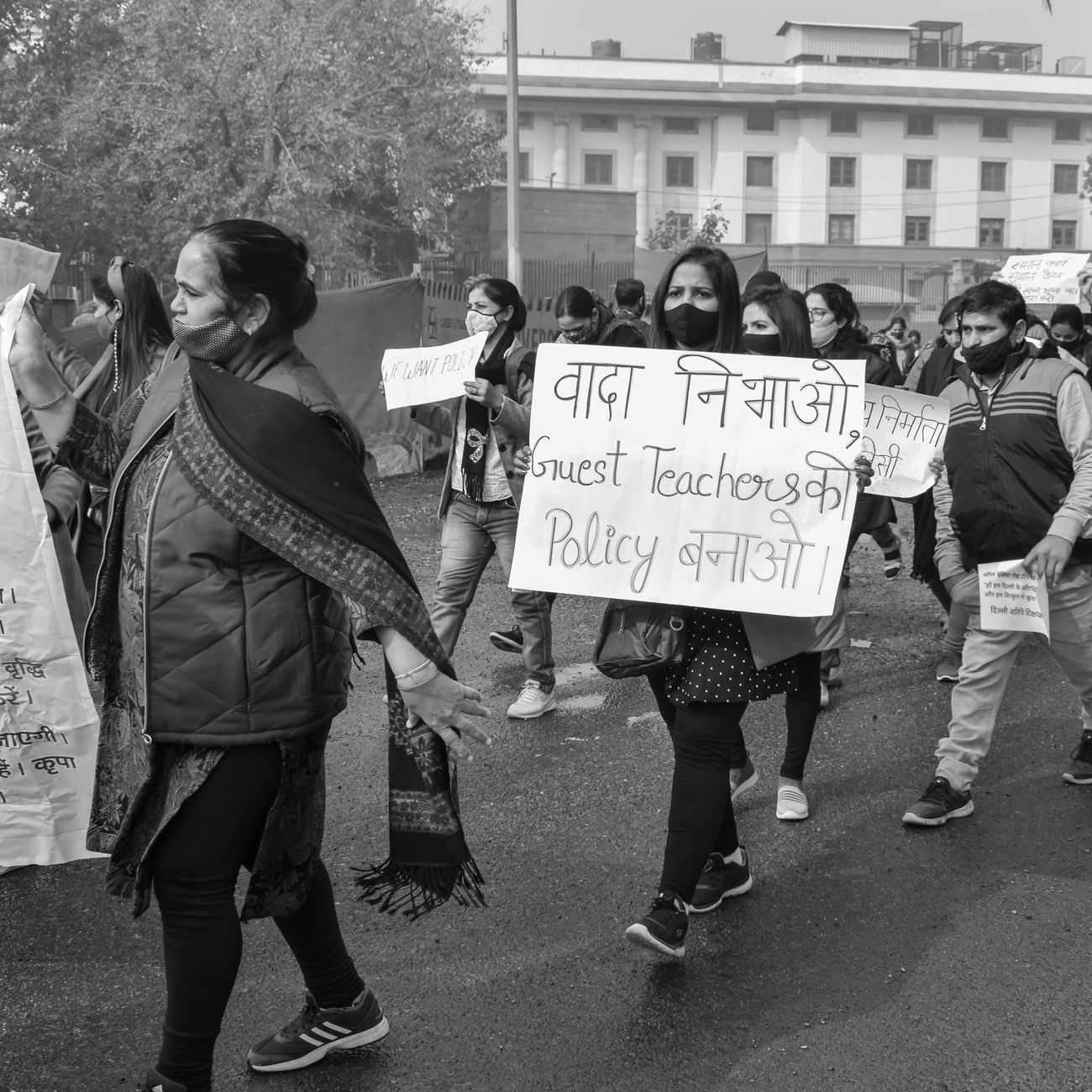
In a dramatic turn of events that underscores the power of youth activism in India, the country's education minister has resigned following sustained protests by students and young professionals across the nation. The protests, which had been ongoing for several weeks, centered around controversial examination policies and broader concerns about the Indian education system's approach to competitive testing.
The demonstrations brought together students from various universities, coaching centers, and recent graduates who voiced their frustrations about what they perceived as systemic issues within India's examination framework. The resignation marks a rare instance where sustained public pressure has led to a cabinet-level departure, signaling the government's acknowledgment of widespread discontent among the country's youth population.
The Core Demands of Protesters
Student activists had organized demonstrations demanding comprehensive reforms to India's competitive examination system, which serves as the gateway to higher education and government employment for millions of young Indians each year. The protesters highlighted several key concerns that resonated across different age groups and educational backgrounds.
The examination system in India plays a crucial role in determining career trajectories, with tests like engineering entrance exams, medical college admissions tests, and civil services examinations attracting millions of applicants annually. Any perceived irregularities or structural problems in these systems affect not just students but entire families who invest significant resources in examination preparation.
Protesters specifically called for greater transparency in exam administration, better communication regarding schedule changes and policy modifications, and more robust mechanisms to address technical glitches that have occasionally disrupted computer-based testing. The movement gained momentum as stories of individual hardship caused by examination-related issues circulated widely on social media platforms.
Impact on India's Education Landscape
India's education sector serves approximately 250 million students across schools and higher education institutions, making it one of the largest education systems globally. The competitive examination framework that sits atop this system determines access to prestigious institutions and career opportunities, creating an environment where even minor policy changes can have far-reaching consequences.
The protests highlighted generational tensions around educational expectations and opportunities. Many young Indians feel that the current system places excessive pressure on students while failing to adequately prepare them for modern workplace demands. The rigid focus on memorization and standardized testing has long been criticized by educators and industry leaders who argue for more emphasis on critical thinking and practical skills.
The minister's resignation comes at a time when India's government has been attempting to implement the National Education Policy 2020, an ambitious framework intended to overhaul the country's education system. However, the gap between policy intentions and ground-level implementation has frustrated many stakeholders, contributing to the protest movement's momentum.
What This Means for Future Reforms
The successful conclusion of these protests with a ministerial resignation sets a significant precedent for youth activism in India. It demonstrates that sustained, organized demonstrations around educational issues can prompt governmental action at the highest levels. This victory may embolden future movements around other education-related concerns.
However, questions remain about what concrete policy changes will follow. Protesters have emphasized that the resignation alone is not sufficient—they seek systemic reforms that address the underlying structural issues within the examination and education framework. The appointment of a new education minister will be closely watched to see whether it signals a genuine shift in approach or merely a personnel change.
Looking Ahead
The education ministry now faces the challenge of rebuilding trust with India's student community while simultaneously continuing to administer one of the world's largest and most complex education systems. Any new leadership will need to balance the demands for reform with the practical constraints of managing examinations and educational programs that affect hundreds of millions of people.
The success of these youth-led protests also highlights the evolving nature of civic engagement in India, where social media and digital organizing tools have given young people unprecedented ability to coordinate large-scale movements and amplify their voices. This could signal a broader shift in how policy discussions around education and other youth-focused issues unfold in the future.
As the protests officially end, attention now turns to whether this moment will translate into meaningful, lasting reforms that address the fundamental concerns raised by India's students and young professionals about their educational experiences and future opportunities.