
The Union Cabinet has witnessed a significant reshuffle with Pralhad Joshi being appointed as the new Education Minister of India, taking over the responsibilities from Dharmendra Pradhan who has tendered his resignation from the position. This transition comes at a crucial time when the education sector is navigating multiple reforms and challenges.
Who is Pralhad Joshi?
Pralhad Joshi is a senior BJP leader and Member of Parliament representing Dharwad constituency in Karnataka. Known for his administrative capabilities, Joshi has previously held important portfolios in the Union Cabinet, including the Ministry of Parliamentary Affairs, Coal, and Mines. His experience in handling multiple ministries simultaneously has earned him a reputation as an efficient administrator capable of managing complex policy matters.
The Karnataka leader brings to the table decades of political experience and a track record of implementing government initiatives at the grassroots level. His appointment is seen as the government's move to bring fresh perspective and vigor to the education ministry.
Dharmendra Pradhan's Tenure and Legacy
Dharmendra Pradhan served as Education Minister during a transformative period for Indian education. His tenure saw the implementation of the National Education Policy (NEP) 2020, which represented the most comprehensive overhaul of India's education system in over three decades. The policy introduced significant changes including:
- Integration of vocational education into mainstream curriculum
- Restructuring of school education from 10+2 to 5+3+3+4 system
- Emphasis on foundational literacy and numeracy
- Greater flexibility in higher education with multiple entry and exit options
- Focus on mother tongue as medium of instruction in early years
Pradhan also oversaw the expansion of digital education infrastructure, particularly accelerated during the COVID-19 pandemic, and pushed for greater autonomy for higher education institutions.
Challenges Ahead for the New Education Minister
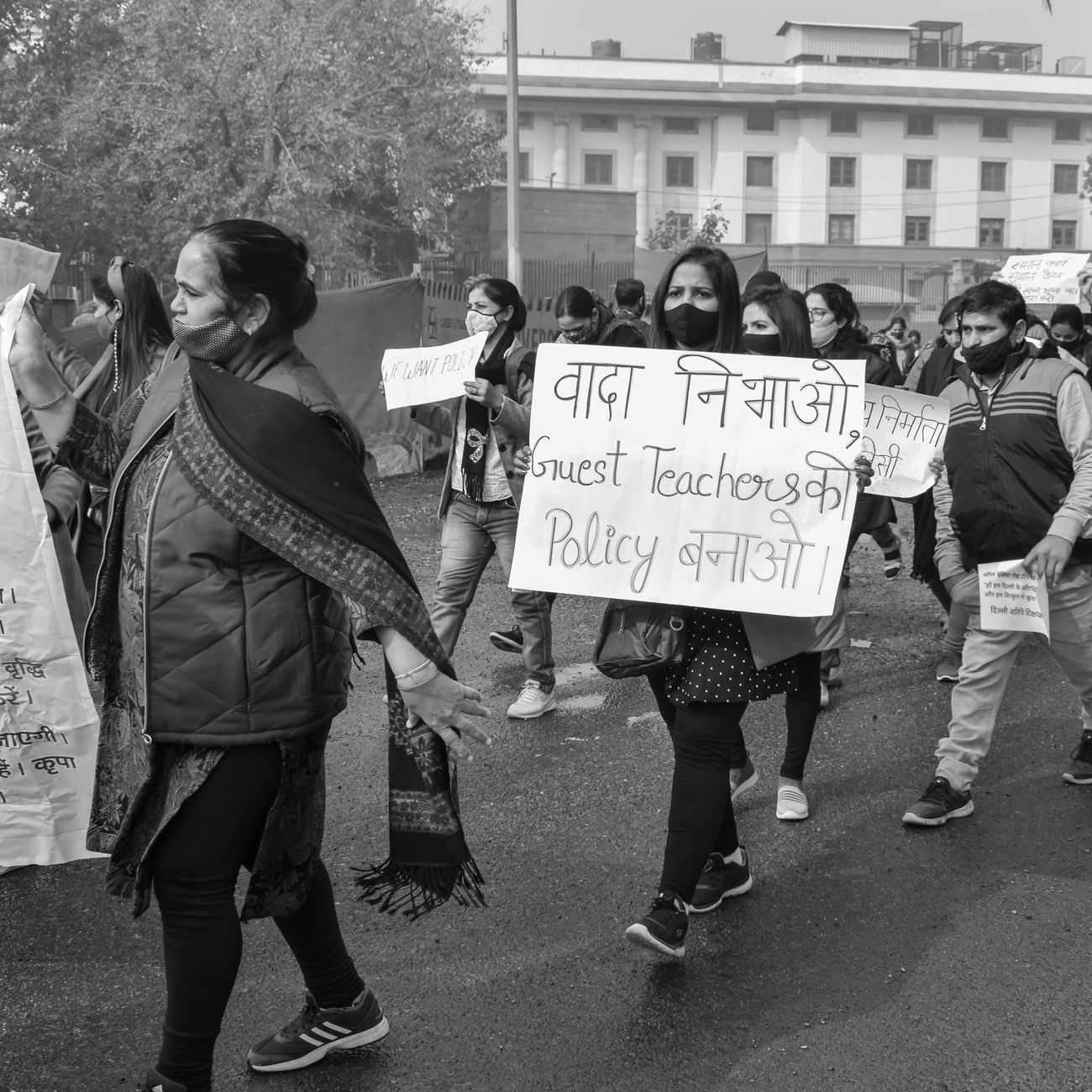
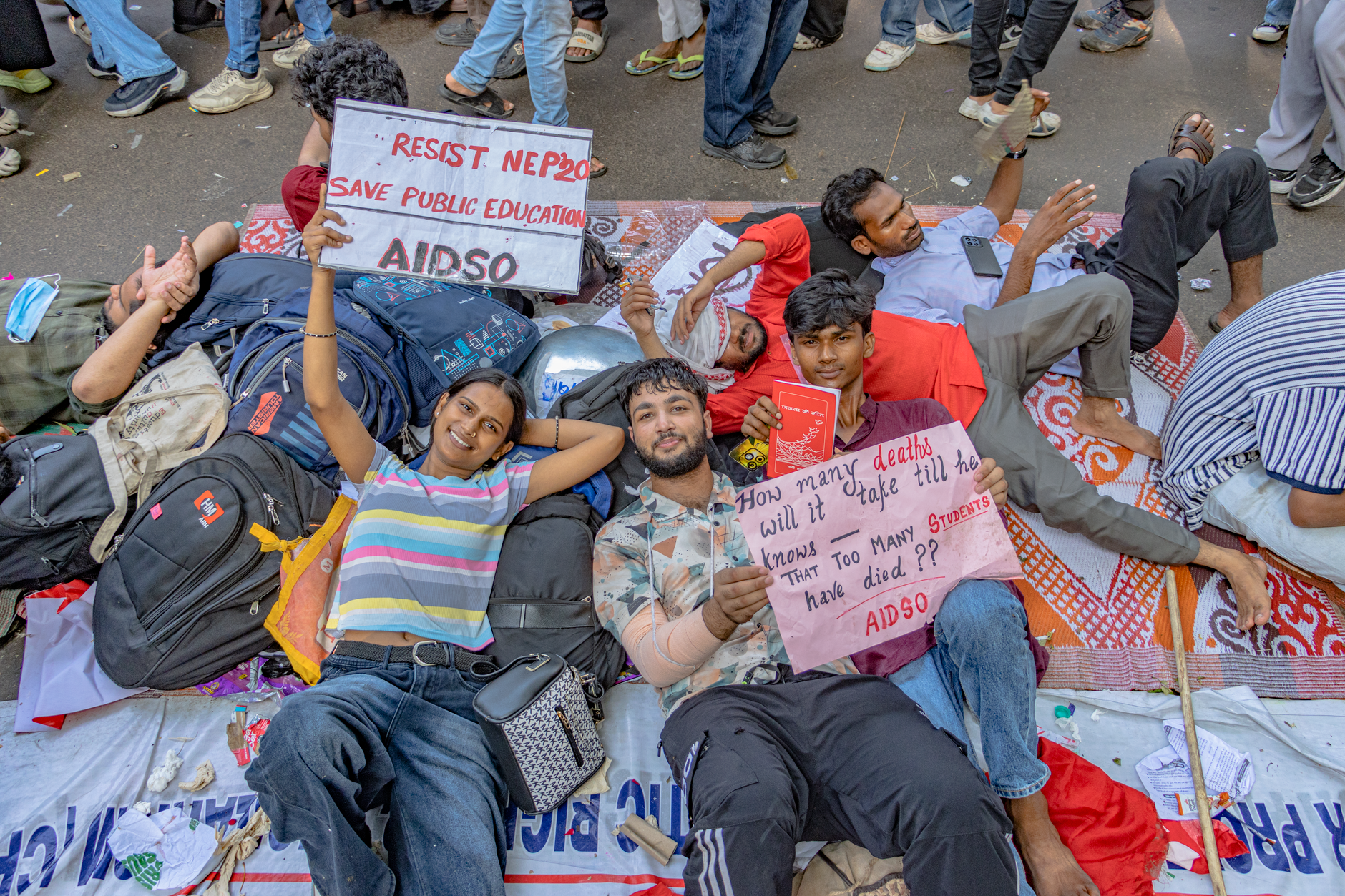
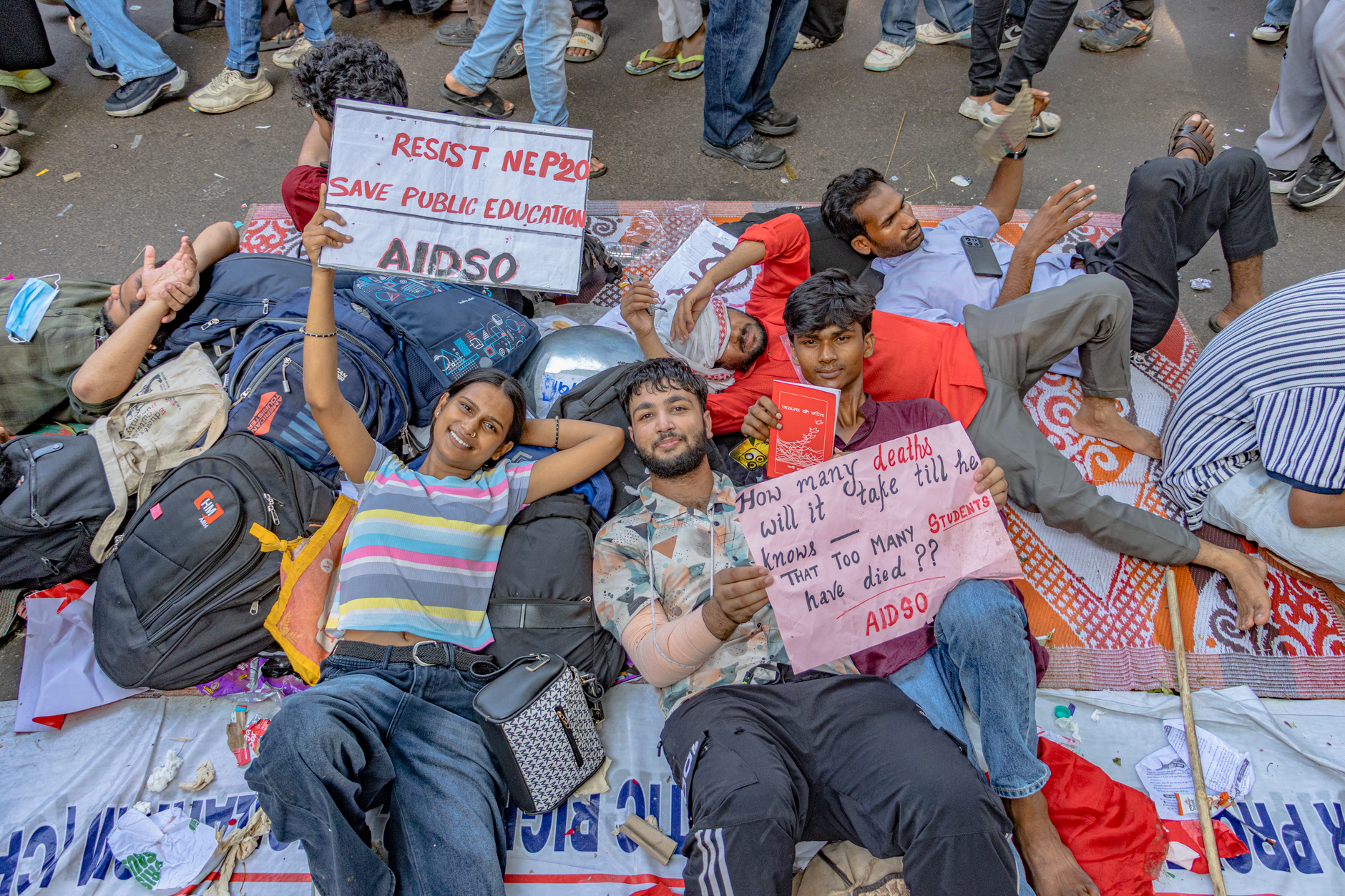
Pralhad Joshi inherits a ministry facing several pressing challenges that require immediate attention and long-term planning. The implementation of NEP 2020 is still in various stages across different states, with some regions showing resistance or slower adoption rates.
The education sector continues to grapple with issues of access and equity, particularly in rural and economically disadvantaged areas. Despite improvements, dropout rates at secondary and higher secondary levels remain a concern, especially among girl students and marginalized communities.
Key Focus Areas Expected
The new Education Minister will likely prioritize completing the rollout of NEP 2020 across all states and union territories. This includes ensuring that schools and colleges have the necessary infrastructure, trained teachers, and resources to implement the reformed curriculum and pedagogical approaches.
Quality of education remains another critical area requiring attention. India's performance in international assessments and the skill gap between educational outcomes and industry requirements continue to be subjects of debate. Joshi may be expected to strengthen the regulatory framework for both school and higher education while promoting innovation and research.
The expansion of digital infrastructure and technology integration in classrooms, particularly in government schools, will likely remain a priority. This includes providing devices to students, ensuring internet connectivity, and training teachers in digital pedagogy.
Higher Education and Research
India's higher education sector is undergoing significant changes with the introduction of multidisciplinary education models and the establishment of new institutions. The new minister will need to oversee the continued expansion of quality higher education institutions while ensuring existing universities improve their research output and global rankings.
The government's push for internationalisation of education, including attracting foreign students and establishing campuses of foreign universities in India, will require sustained policy support and implementation.
State Coordination and Implementation
Education being a concurrent subject under the Indian Constitution requires close coordination between the central and state governments. Building consensus among states with different political affiliations and varying levels of educational development will be crucial for implementing nationwide reforms.
The new minister will need to work closely with state education departments to ensure uniformity in standards while respecting regional diversity and linguistic requirements. This balance between national integration and regional autonomy has always been delicate in education policy.
As Pralhad Joshi assumes charge of this crucial ministry, stakeholders across the education sector will be watching closely to see how he navigates these challenges while building upon the foundations laid by his predecessor.