Student movements have long been the conscience of Indian democracy, forcing governments to reconsider policies and sparking nationwide debates on fundamental rights, language, and education. These agitations have not only transformed educational institutions but have also influenced electoral outcomes and policy decisions at the highest levels.
The Anti-Hindi Agitation in Tamil Nadu (1965)
The anti-Hindi imposition movement in Tamil Nadu stands as one of the most consequential student-led protests in independent India. When the central government attempted to make Hindi the sole official language in 1965, students across Tamil Nadu took to the streets in massive numbers. The protests turned violent in several places, with students facing police action that resulted in casualties.
This movement fundamentally altered India's linguistic landscape. The agitation led to the adoption of a more flexible language policy, ensuring that English would continue alongside Hindi as an official language indefinitely. It also cemented regional identity politics in Tamil Nadu, with Dravidian parties capitalizing on Tamil pride to dominate the state's politics for decades. The movement demonstrated that student activism could force the central government to reverse major policy decisions.
The JP Movement and Student Participation (1974-75)
The Navnirman Andolan in Gujarat, led largely by students protesting against rising hostel fees and food prices, eventually merged into the larger JP Movement led by Jayaprakash Narayan. Students from universities across Bihar and other states joined this anti-corruption movement that challenged Indira Gandhi's government.
The intensity of student participation in this movement was unprecedented. Universities became organizing centers for protests against governmental corruption and authoritarian tendencies. While the movement culminated in the Emergency declaration of 1975, it established students as a formidable political force. Many student leaders from this era went on to become prominent politicians, forever linking campus activism with mainstream politics.
The Mandal Commission Protests (1990)
When VP Singh's government announced the implementation of the Mandal Commission recommendations for OBC reservations in August 1990, students from upper-caste backgrounds across northern India launched widespread protests. Students blocked roads, organized strikes, and in tragic instances, some resorted to self-immolation.
These protests fundamentally changed the discourse around affirmative action and social justice in Indian education. While the Supreme Court eventually upheld reservations with certain modifications, the movement highlighted the deep caste divisions within educational institutions. It also accelerated the expansion of educational infrastructure, as governments realized that creating more seats was necessary to manage competing demands from different social groups.
The Rohith Vemula Protests and Campus Freedom (2016)
The institutional death of Rohith Vemula, a Dalit PhD scholar at the University of Hyderabad, sparked protests across Indian campuses about caste discrimination, institutional apathy, and student rights. Students organized solidarity marches, used social media to amplify their message, and questioned university administration policies.
This movement brought issues of caste in higher education to national prominence. It led to discussions about student welfare, mental health support in universities, and the autonomy of educational institutions. The protests also highlighted how campus politics had become intertwined with national political debates, with students demanding freedom from political interference while simultaneously engaging in political discourse.
Recent Protests Against Fee Hikes and Policy Changes
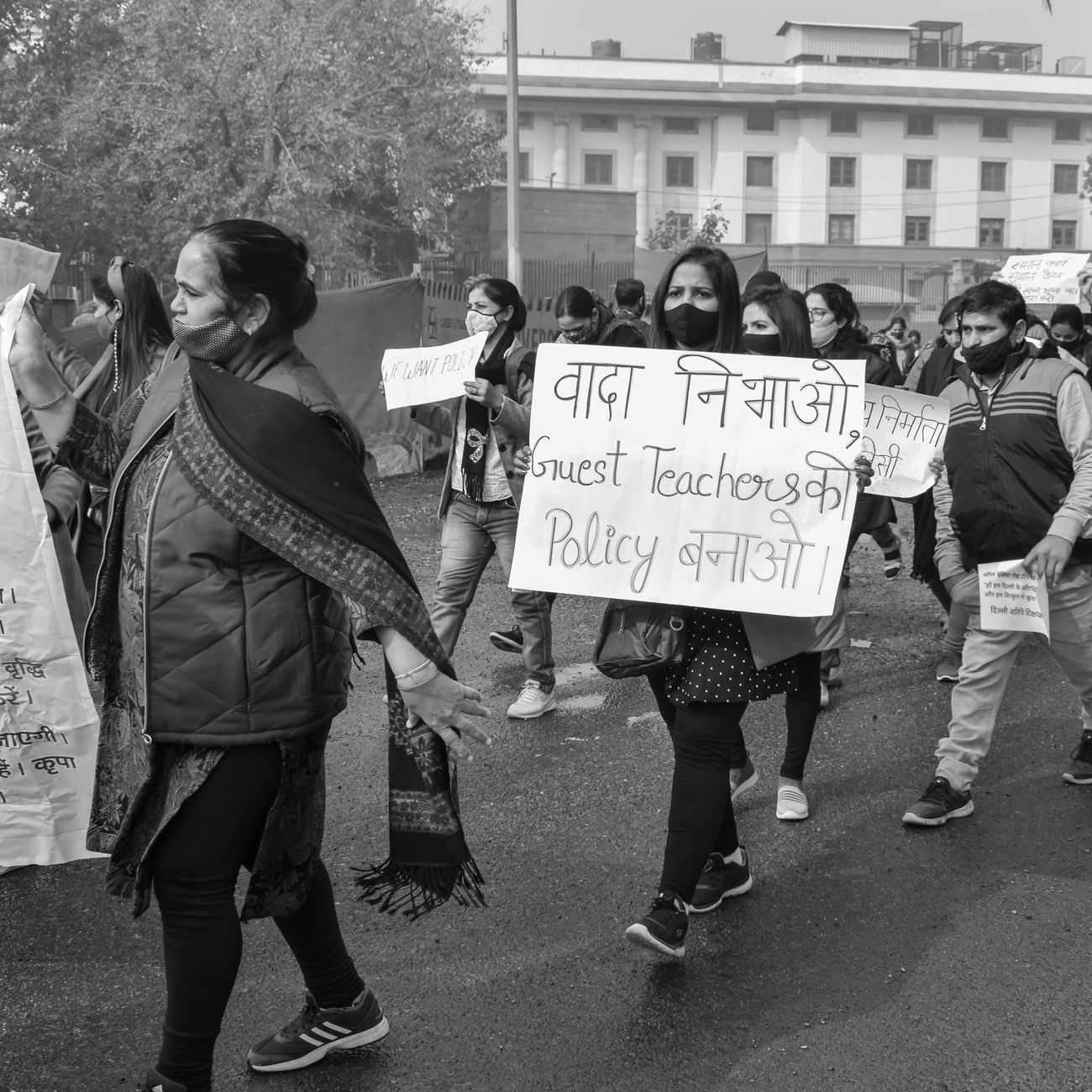
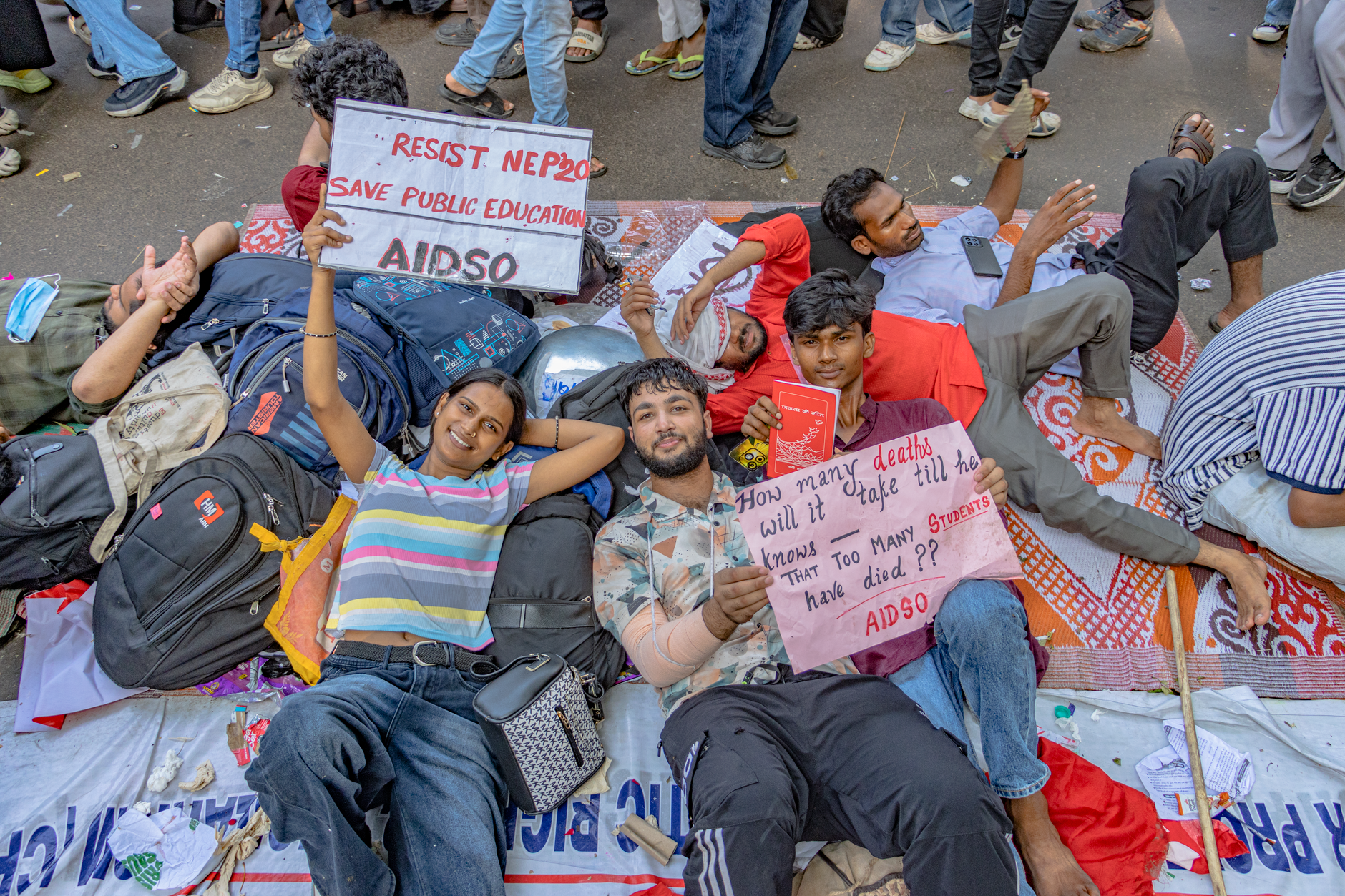
In recent years, students at institutions like Jawaharlal Nehru University and other central universities have organized sustained protests against fee hikes, changes in admission policies, and hostel regulations. Protests at Jantar Mantar in Delhi have become symbolic gathering points for students raising concerns about accessibility and the commercialization of education.
These movements have forced universities and the government to engage in dialogue with student bodies, sometimes leading to partial rollbacks of proposed changes. They reflect ongoing concerns about whether higher education is becoming increasingly inaccessible to students from economically weaker sections.
The Lasting Impact
Student movements have consistently served as early warning systems for broader societal discontent. They have shaped language policy, reservation frameworks, and educational accessibility. These movements demonstrate that young citizens are willing to mobilize for causes that extend beyond campus boundaries, influencing both education policy and larger political trajectories.
The legacy of these movements continues to inspire contemporary student activism, proving that organized youth voices remain powerful agents of democratic change in India.