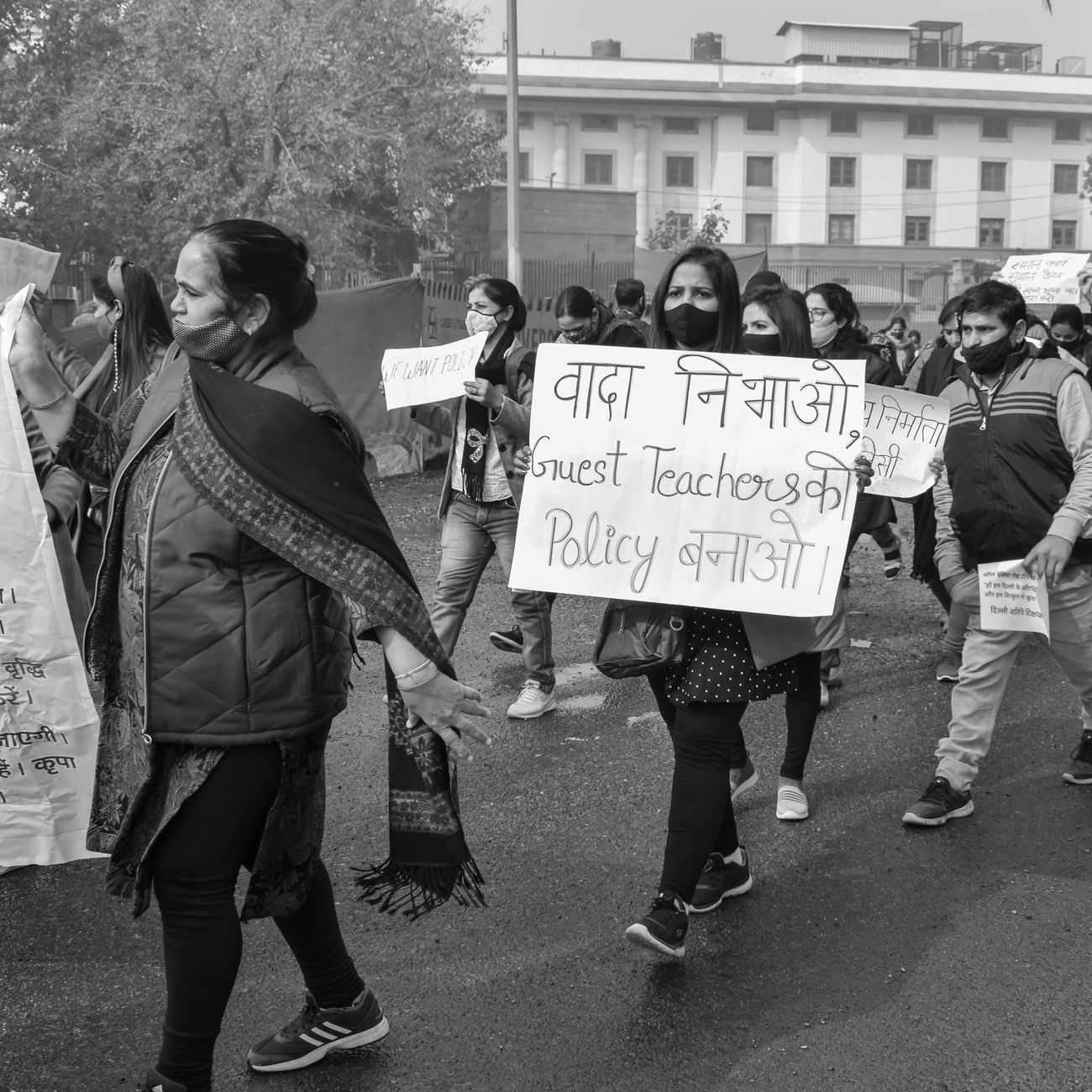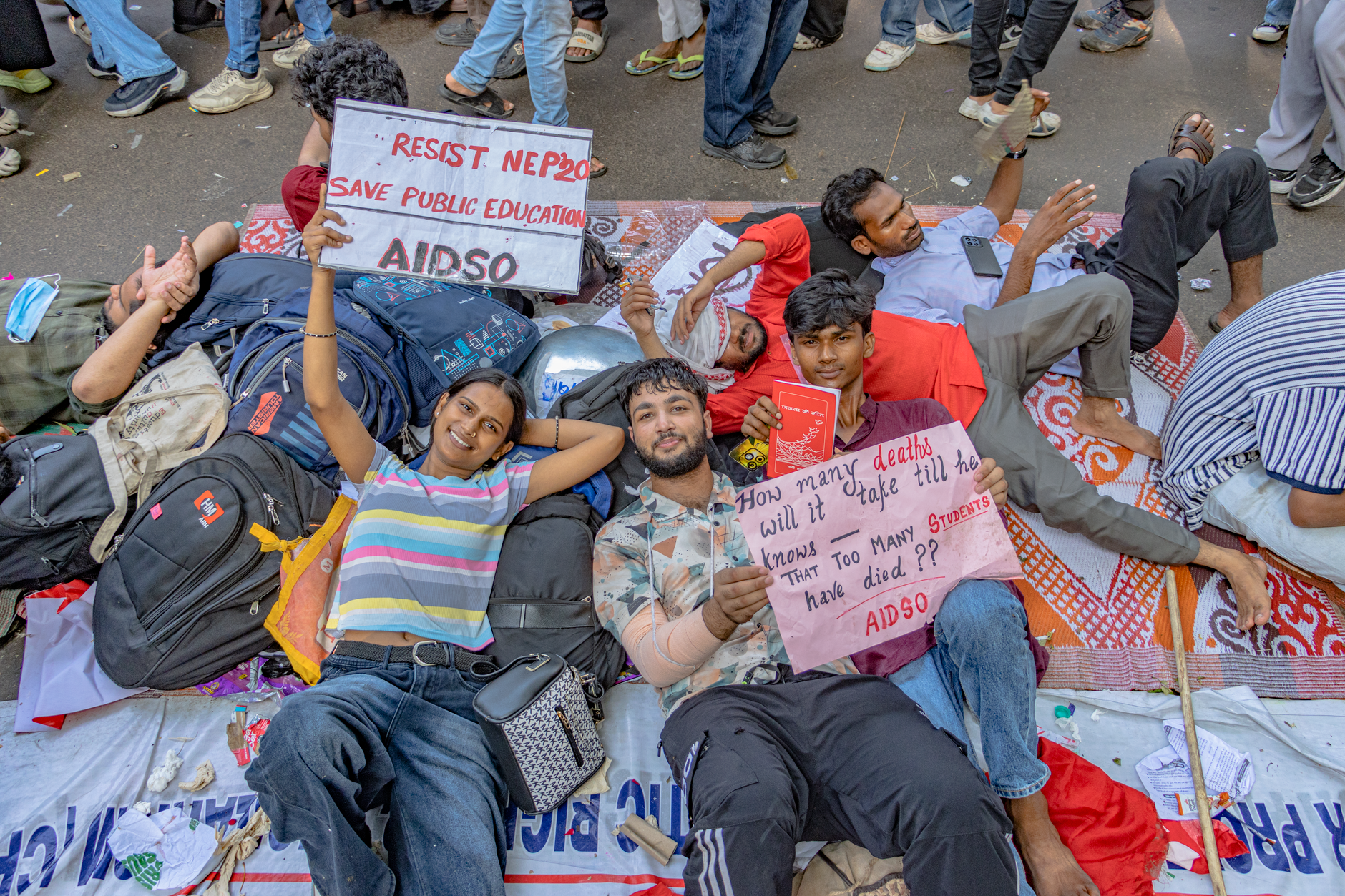
Freedom Park in Bengaluru has become an unexpected focal point for India's youngest generation of changemakers. What was once primarily a venue for political rallies and organized protests has transformed into a gathering space where Generation Z—those born roughly between 1997 and 2012—are making their voices heard on issues ranging from educational reform to environmental sustainability.
Why Freedom Park Matters
Freedom Park holds symbolic significance in Bengaluru's civic landscape. Located in the heart of the city, it was designated as a protest venue in 2008, providing citizens with a dedicated space to exercise their constitutional right to peaceful assembly. For Gen Z, this space represents more than just a physical location—it embodies the democratic ideals they're learning to navigate as young adults entering a rapidly changing India.
The recent gatherings at Freedom Park mark a departure from traditional forms of activism. Unlike previous generations that often mobilized around single issues or political affiliations, today's young people bring an intersectional approach to civic engagement, connecting education reform with climate action, mental health awareness with employment opportunities, and social justice with technological innovation.
The Education Connection
Education lies at the heart of many Gen Z concerns being voiced at these gatherings. India's young people are questioning traditional educational models that emphasize rote learning over critical thinking, standardized testing over skill development, and theoretical knowledge over practical application. They're advocating for reforms that better prepare students for a technology-driven economy while preserving cultural values and promoting inclusive learning environments.
The competitive pressure cooker of India's education system—characterized by intense entrance examinations, coaching culture, and limited seats in premier institutions—has created widespread anxiety among students. Gen Z activists are demanding systemic changes that prioritize mental health support, reduce examination stress, and create multiple pathways to success rather than funneling millions of students through identical academic trajectaries.
Employment and Economic Anxiety
Beyond educational concerns, these young gatherers are confronting an uncertain economic future. Despite India's growing economy, youth unemployment remains a persistent challenge. Gen Z faces the paradox of being the most educated generation in Indian history while encountering fierce competition for quality jobs, especially in traditional sectors.
The gig economy, freelancing, and entrepreneurship appeal to many young Indians seeking alternatives to conventional career paths. However, these options come with their own challenges—lack of job security, absence of benefits, and income volatility. At Freedom Park, discussions often center on creating better frameworks for emerging work models and ensuring young workers aren't exploited in the name of flexibility.
Digital Natives with Real-World Concerns
What distinguishes Gen Z activism is how seamlessly it blends online and offline engagement. These young Indians grew up with smartphones and social media, making them adept at organizing through digital platforms, spreading awareness through viral content, and mobilizing supporters quickly. Yet they recognize that lasting change requires physical presence and sustained engagement beyond the digital realm.
Freedom Park gatherings demonstrate this hybrid approach. Events are coordinated through social media, livestreamed for wider audiences, and documented for online dissemination, while simultaneously creating face-to-face connections and community solidarity that algorithms cannot replicate.
Broader Social Consciousness
The conversations at Freedom Park extend beyond personal concerns to encompass wider social issues. Gen Z demonstrators show heightened awareness of caste discrimination, gender inequality, LGBTQ+ rights, and environmental degradation. They're less willing to accept "that's how things have always been" as justification for systemic inequities.
This generation approaches social issues with pragmatism rather than pure ideology. They seek tangible solutions—whether through policy advocacy, community organizing, or innovative social enterprises—rather than engaging in abstract debates. Their activism reflects lived experience with diversity in urban India's cosmopolitan environments and exposure to global movements through digital connectivity.
The Path Forward
The significance of Gen Z reclaiming spaces like Freedom Park shouldn't be underestimated. These gatherings represent more than youthful idealism—they signal an emerging political consciousness that will shape India's trajectory for decades. As this generation gains economic power and political influence, the concerns they're voicing today will likely drive policy discussions tomorrow.
Whether these movements translate into sustained institutional change remains to be seen. However, the willingness of young Indians to engage civically, question inherited assumptions, and collectively imagine alternative futures suggests a generation unwilling to passively accept the status quo.