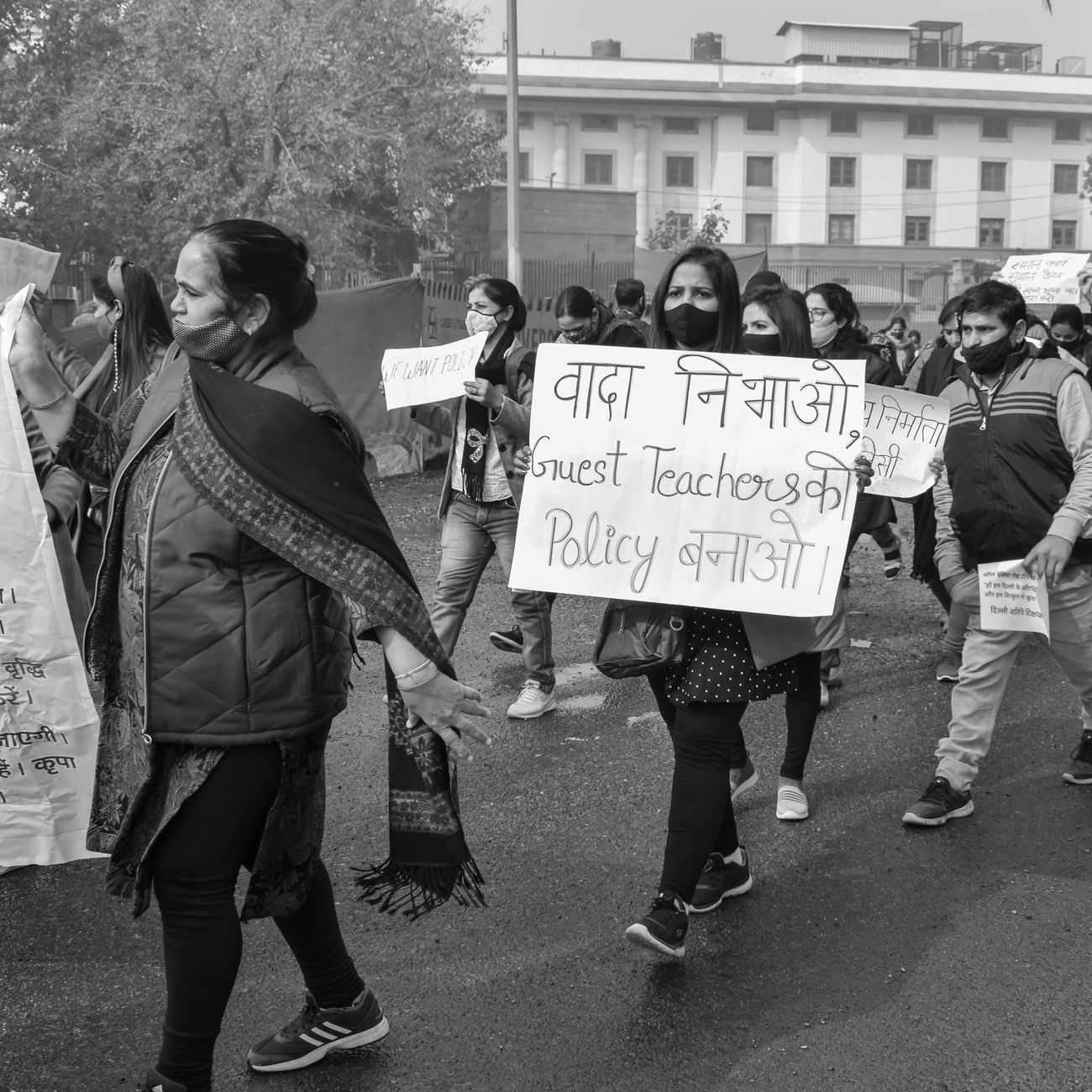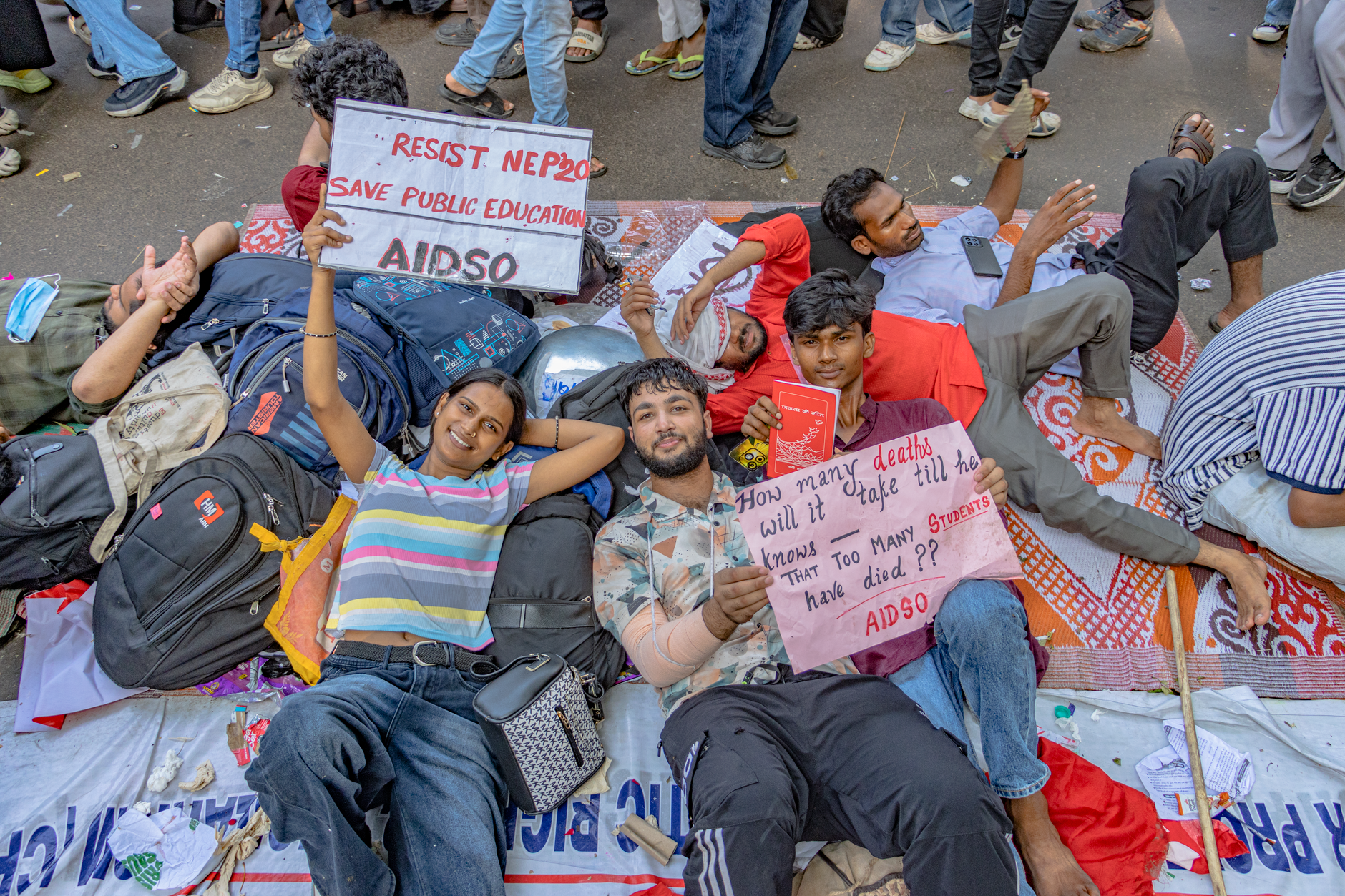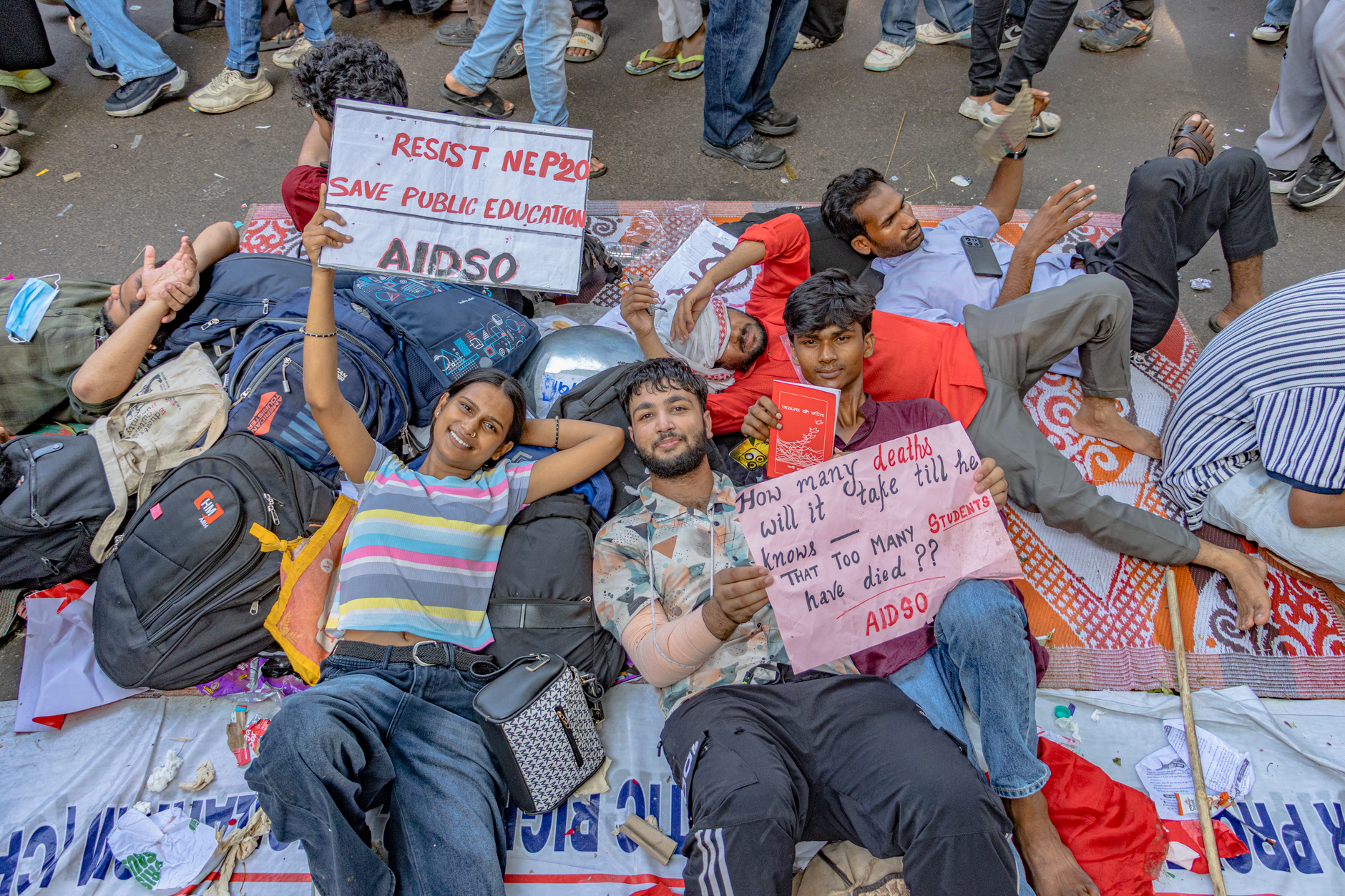
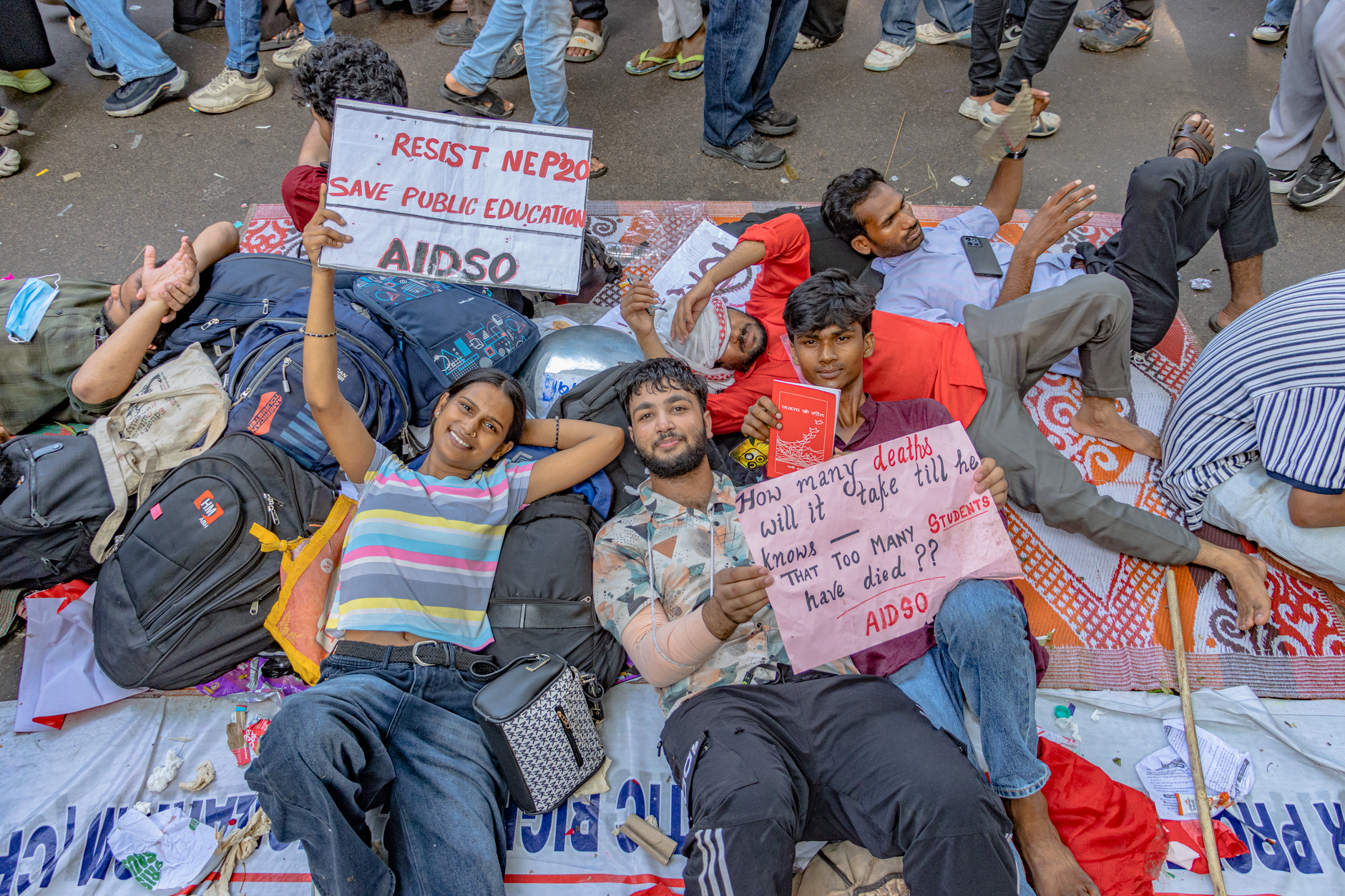
India's education sector has witnessed a seismic shift as Generation Z demonstrators successfully campaigned for a minister's resignation, signalling a new era of youth-driven political accountability. This movement represents more than a single victory—it reflects deep-seated frustrations with India's educational infrastructure and governance.
The Power of Youth Mobilisation
Generation Z, comprising individuals born between 1997 and 2012, has demonstrated remarkable organisational capabilities through social media platforms and ground-level coordination. Unlike previous student movements that relied on traditional union structures, today's protesters leverage digital tools to rapidly disseminate information, coordinate demonstrations, and build nationwide solidarity.
The success of forcing a ministerial resignation sets a precedent for student activism in India. It demonstrates that sustained, focused pressure from young citizens can translate into tangible political consequences, even within established power structures.
Understanding the Underlying Grievances
The protests stem from accumulated frustrations within India's education system, which serves over 250 million students across schools and higher education institutions. Common concerns include:
- Inadequate infrastructure and resources in government institutions
- Examination reforms perceived as poorly conceived or hastily implemented
- Lack of transparency in administrative decisions affecting students
- Growing privatisation reducing accessibility for economically disadvantaged groups
- Outdated curricula failing to prepare students for contemporary job markets
- Administrative corruption and accountability gaps
These issues have festered for years, but Gen Z's willingness to publicly challenge authority represents a cultural shift from previous generations who typically deferred to hierarchical structures.
Digital Activism Meets Street Protests
The movement's success lies in combining online advocacy with physical demonstrations. Social media platforms became virtual town halls where students shared grievances, coordinated logistics, and countered official narratives. Hashtags trended nationally, drawing mainstream media attention and preventing authorities from marginalising the movement.
Simultaneously, organised street protests maintained visibility and pressure. This dual-front approach proved difficult for authorities to manage, as crackdowns on physical protests amplified digital outrage, whilst censoring online discourse drove more students to the streets.
The Road Ahead: Challenges and Opportunities
Whilst a ministerial resignation represents victory, sustainable educational reform requires addressing systemic issues beyond individual accountability. The movement now faces critical questions about maintaining momentum and translating street success into policy changes.
Potential Paths Forward
Several scenarios could unfold as the movement matures:
Student organisations may institutionalise their advocacy, creating formal channels for ongoing dialogue with educational authorities. This approach risks bureaucratisation but offers sustained engagement with policymakers.
Alternatively, the movement might fragment as immediate goals are achieved, with different factions pursuing divergent priorities—some focusing on examination reforms, others on infrastructure, and still others on curriculum modernisation.
There's also potential for the movement to broaden beyond education, with emboldened youth activists applying similar tactics to other governance issues affecting their generation, from employment to environmental concerns.
Government Response and Reform Prospects
The government faces a delicate balancing act. Heavy-handed responses risk further inflaming youth anger and creating martyrs for the cause. Conversely, meaningful engagement requires acknowledging legitimate grievances and implementing substantive reforms.
Cosmetic changes—replacing one minister with another without policy shifts—will likely prove insufficient for a generation fluent in information verification and sceptical of performative politics.
Genuine reform would involve restructuring decision-making processes to include student representation, increasing educational budgets, modernising infrastructure, and updating curricula in consultation with educators and students.
Broader Implications for Indian Democracy
This movement reflects Gen Z's distinct political consciousness. Having grown up with internet access and global connectivity, they compare Indian institutions with international standards and demand accountability accordingly.
Their success may inspire similar movements in other sectors where young Indians feel underserved—healthcare, employment, housing, and environmental protection. This could fundamentally reshape Indian civic engagement, moving from periodic electoral participation to continuous advocacy.
The International Context
India's student movement parallels youth activism globally, from climate strikes to pro-democracy protests. Gen Z worldwide demonstrates willingness to challenge established systems they perceive as failing their generation's interests.
However, India's demographic dividend—with over 600 million citizens under 25—gives youth movements here particular significance. If effectively channelled, this demographic could drive transformative social and political change.
The minister's resignation is indeed just the start. Whether this momentum translates into meaningful educational reform or dissipates into fragmented demands depends on the movement's ability to maintain cohesion, articulate clear policy alternatives, and sustain pressure on institutions. What's certain is that Gen Z has announced itself as a political force Indian authorities can no longer ignore.