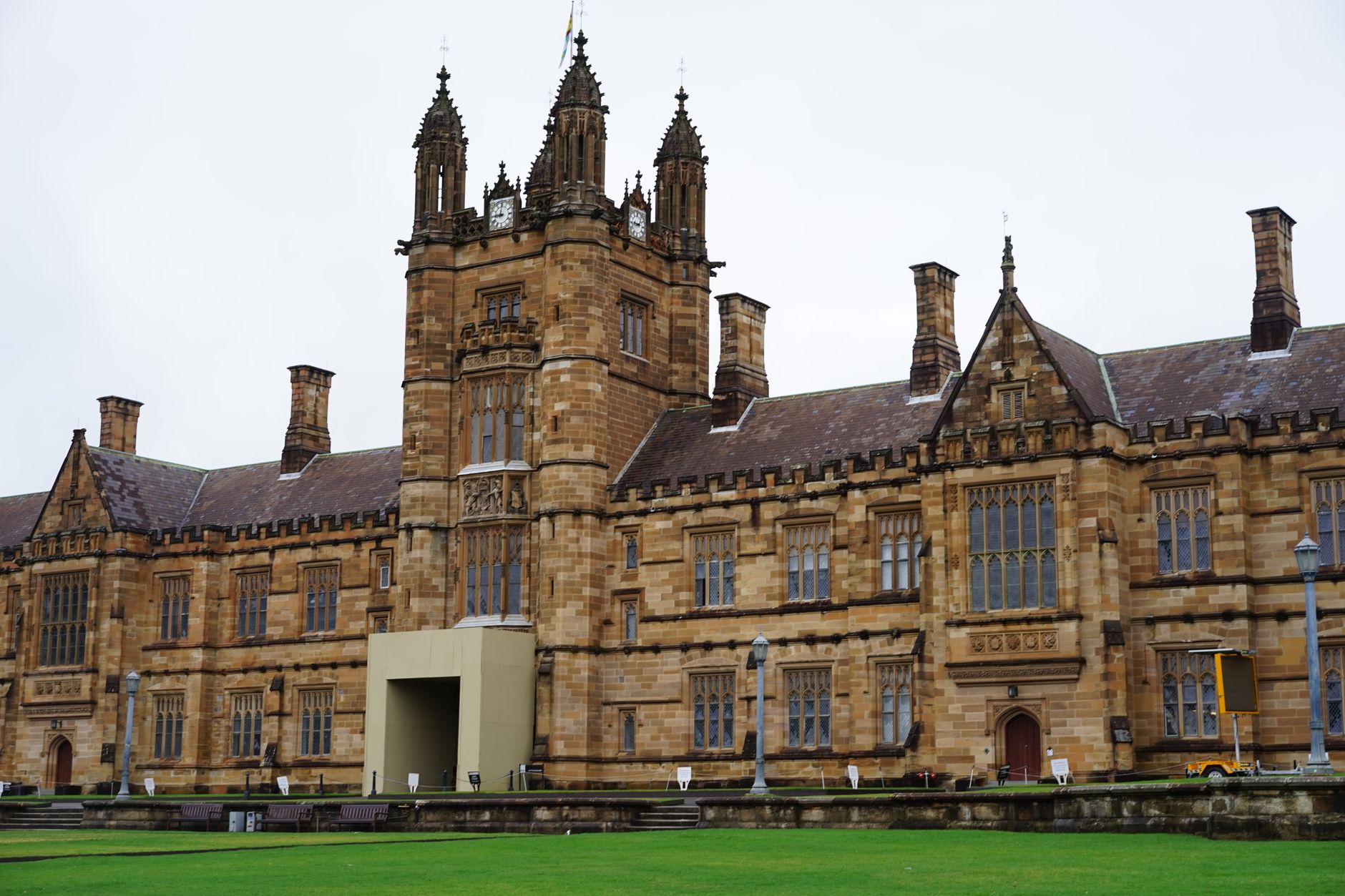
The relationship between India and Australia has traditionally been defined by trade, defence cooperation, and shared democratic values. However, education has emerged as a transformative pillar that is fundamentally reshaping how these two Indo-Pacific nations engage with each other. This evolution reflects a broader recognition that educational partnerships create lasting bonds that extend far beyond economic transactions.
The Numbers Tell a Compelling Story
Indian students represent one of the largest international student cohorts in Australia, with over 100,000 enrolling in Australian institutions annually. This makes India the second-largest source of international students for Australia, contributing billions of dollars to the Australian economy while providing Indian youth access to world-class education. However, the significance of this relationship extends far beyond these impressive statistics.
The educational exchange creates people-to-people connections that form the foundation of deeper strategic understanding. Indian graduates from Australian universities often become business leaders, policymakers, and entrepreneurs who maintain strong connections with Australia throughout their careers, creating networks that facilitate collaboration across multiple sectors.
Beyond Student Mobility
Recent developments indicate that both nations are moving beyond a simple sender-receiver relationship to more sophisticated forms of collaboration:
- Joint research initiatives in areas like renewable energy, agricultural technology, and medical sciences
- Dual degree programs allowing students to study at institutions in both countries
- Faculty exchange programs enabling knowledge transfer in both directions
- Collaborative innovation hubs focusing on solving shared challenges
- Vocational training partnerships aligned with industry needs in both nations
Australia's recognition of Indian qualifications and India's growing openness to international education partnerships have created frameworks that facilitate these deeper engagements. The establishment of Australian university campuses in India and Indian institutions partnering with Australian counterparts demonstrates this maturation.
Strategic Dimensions of Educational Partnership
Education cooperation serves multiple strategic objectives for both nations. For India, partnerships with Australian institutions provide pathways for upskilling its workforce, particularly in emerging technologies and sectors where Australia has demonstrated expertise. Areas like mining engineering, water management, sports science, and agricultural innovation represent domains where Australian knowledge complements India's development priorities.
For Australia, educational ties with India offer access to one of the world's largest markets for educational services while building relationships with an emerging Indo-Pacific power. As both nations share concerns about regional stability and prosperity, educational partnerships create mutual understanding that supports broader strategic alignment.
The India-Australia Education Council, established to formalize this cooperation, focuses on quality assurance, mutual recognition of qualifications, and identifying areas for collaborative research. This institutional framework ensures that educational cooperation remains a sustained priority rather than being subject to short-term policy fluctuations.
Technology and Innovation Collaboration
A particularly promising dimension of the education partnership involves technology and innovation. Both nations recognize that future prosperity depends on capabilities in artificial intelligence, quantum computing, biotechnology, and clean energy. Joint research programs and student exchanges in these fields create pools of talent comfortable working across both countries.
Indian institutes of technology and research organizations are increasingly partnering with Australian universities on projects that address shared challenges. Climate adaptation, sustainable agriculture, and healthcare innovation represent areas where collaborative research yields practical outcomes while training the next generation of scientists and engineers.
Addressing Challenges Together
The education partnership has not been without challenges. Concerns about student safety, recognition of credentials, and ensuring quality in joint programs require ongoing attention. Both governments have worked to address these issues through regular dialogue, improved regulatory frameworks, and enhanced support services for international students.
The COVID-19 pandemic tested the resilience of this partnership, with travel restrictions affecting thousands of students. However, both nations worked collaboratively to find solutions, including online learning options and priority return arrangements, demonstrating the relationship's maturity.
Future Trajectory
Looking ahead, the India-Australia education partnership appears positioned for continued expansion. India's National Education Policy emphasizes internationalization, while Australia seeks to diversify its international education sector and deepen engagement with Indo-Pacific partners. This alignment of priorities creates opportunities for innovative collaborations.
Areas like skills development, lifelong learning, and micro-credentials represent emerging frontiers. As both nations navigate economic transformation and technological disruption, educational partnerships that focus on adaptability and continuous learning will become increasingly valuable.
The transformation of education from a transactional relationship into a strategic partnership pillar reflects broader shifts in how nations engage in an interconnected world. For India and Australia, educational collaboration has become a cornerstone of a relationship that extends across economic, strategic, and cultural dimensions, creating foundations for partnership that will endure for generations.