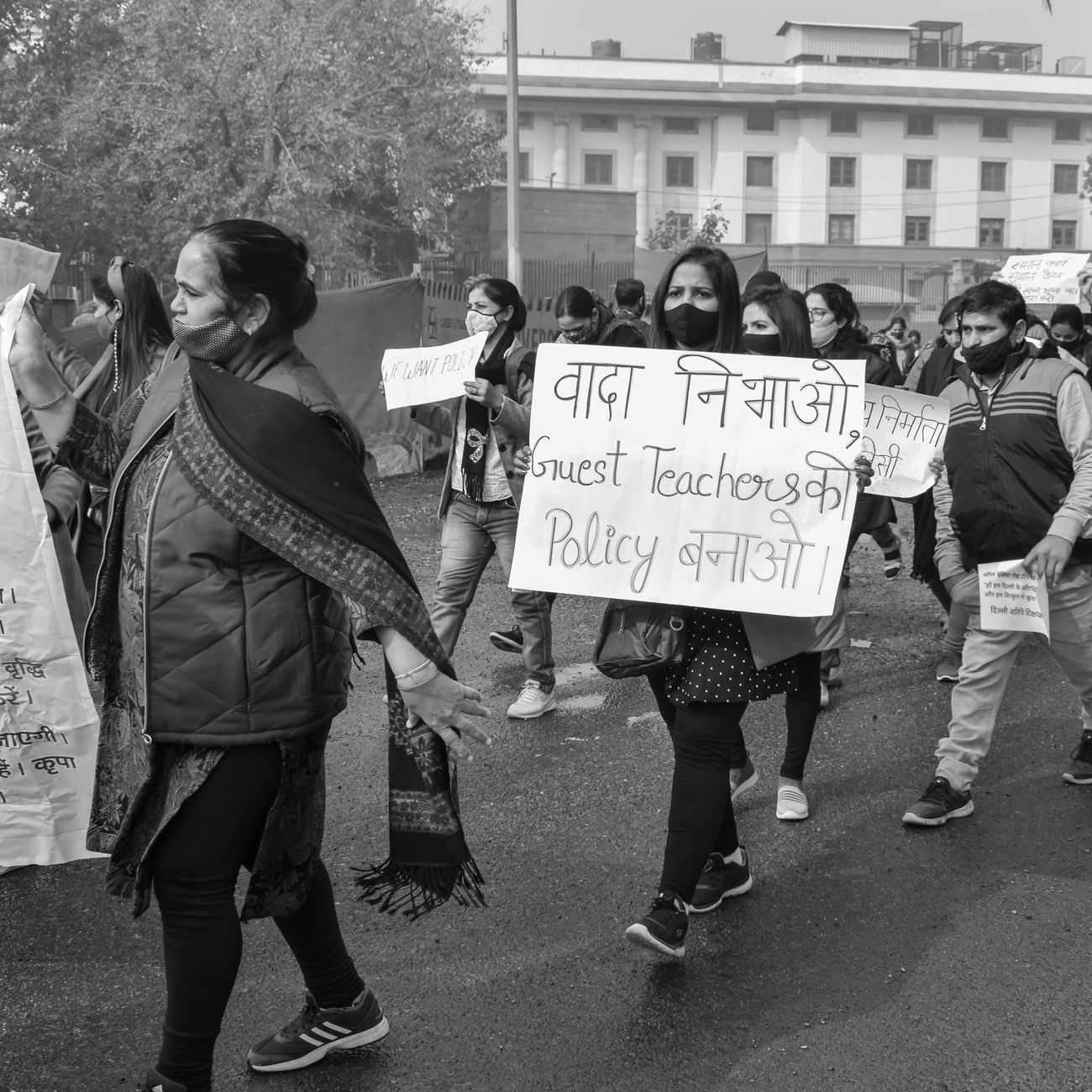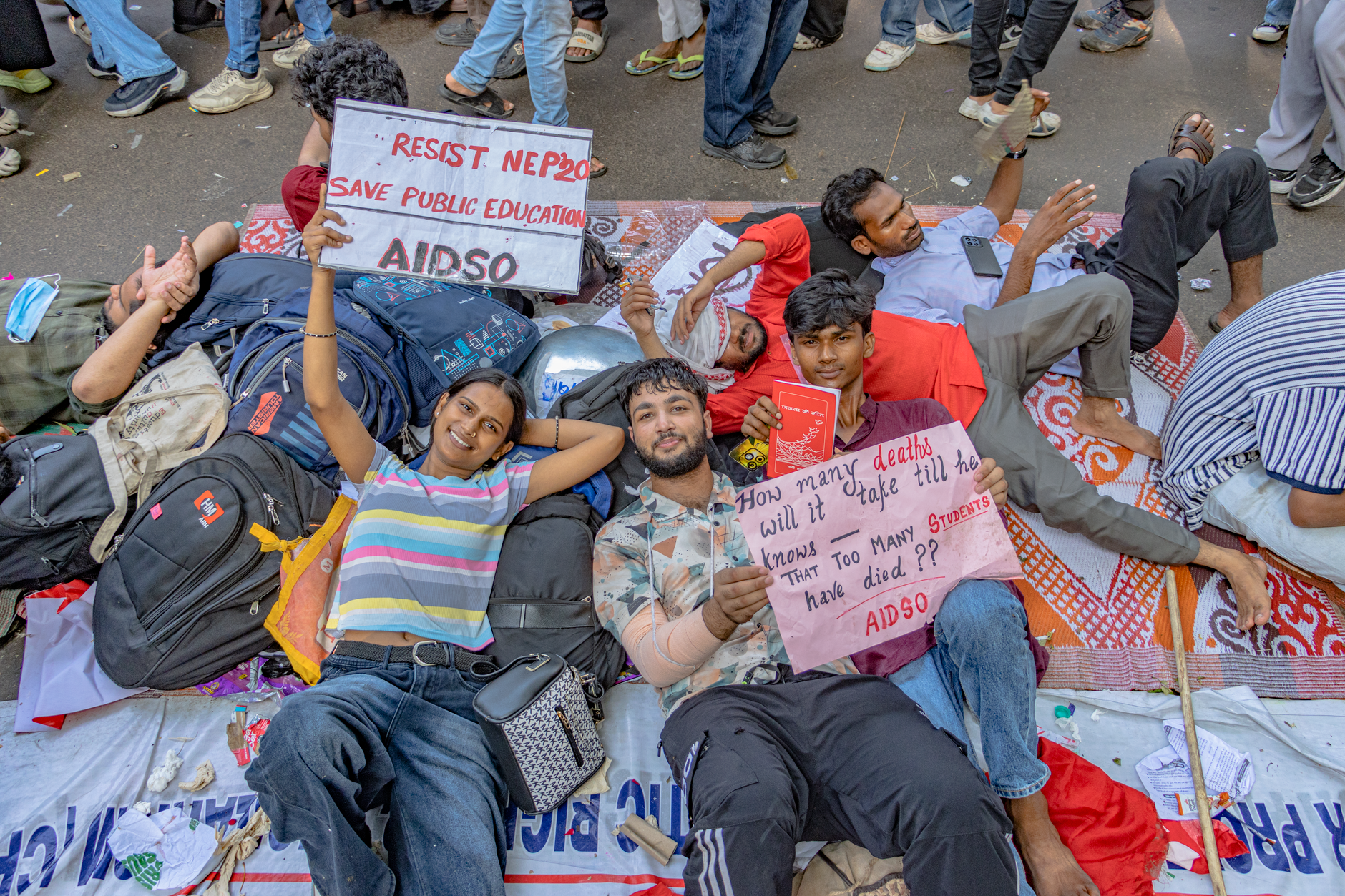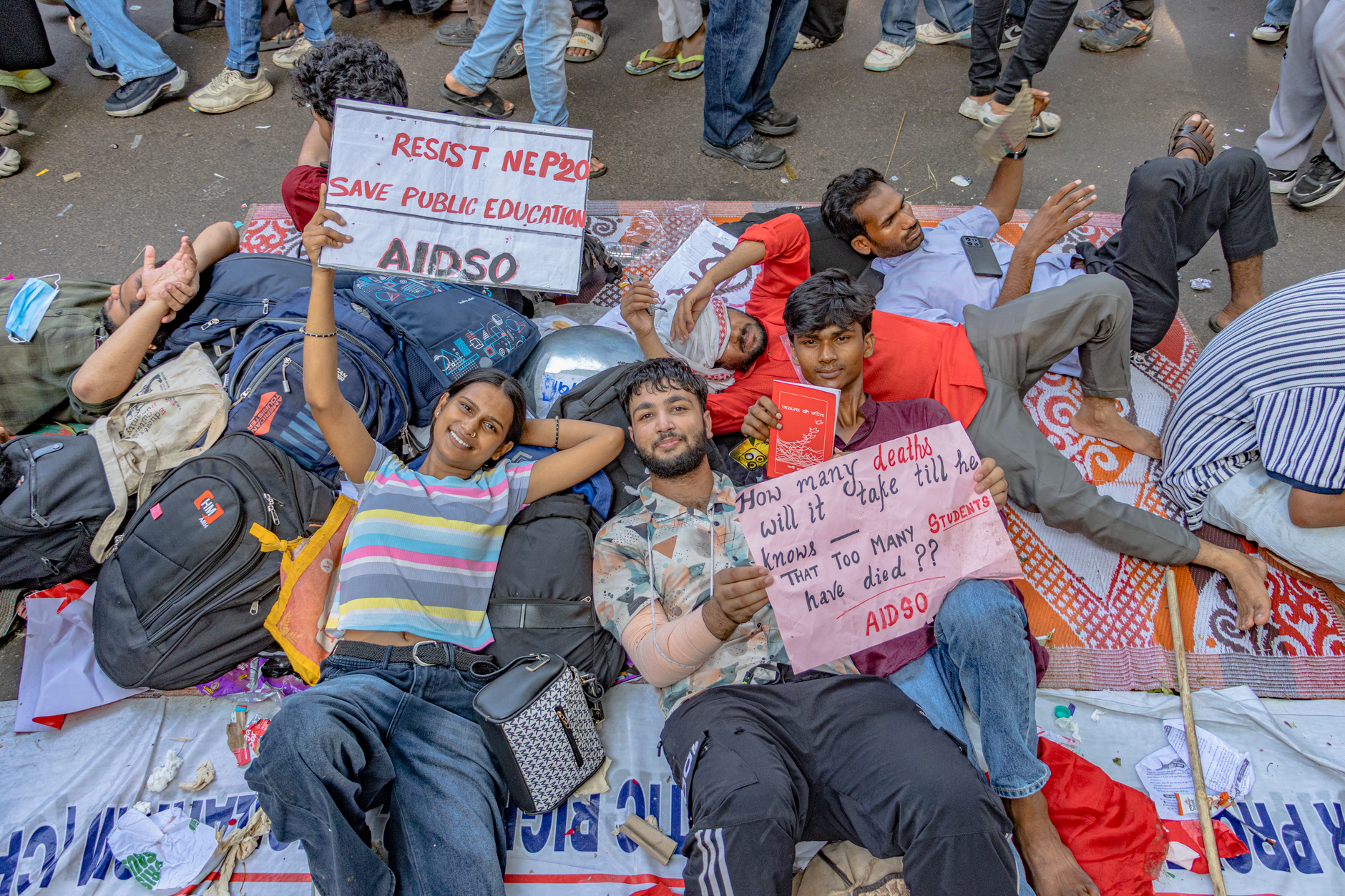
India's education system has reached a significant milestone, with the total number of teachers across the country surpassing 1 crore for the first time. This achievement marks a crucial moment in the nation's educational journey and reflects decades of investment in building teaching capacity to serve the world's largest student population.
Understanding the Numbers
The figure of 1 crore teachers encompasses educators across all levels of education, from primary schools to higher education institutions. This includes government school teachers, private school faculty, college professors, and university lecturers spread across urban and rural areas. The growth in teacher numbers has been gradual but consistent, driven by expanding school networks, rising enrollment rates, and various government initiatives aimed at improving the student-teacher ratio.
India's student population is estimated at over 25 crore across schools and higher education institutions, making the teaching workforce one of the largest professional groups in the country. The achievement of crossing the 1 crore mark demonstrates the scale of human resources required to manage an education system of this magnitude.
Factors Driving Teacher Growth
Several factors have contributed to this expansion in the teaching workforce. The Right to Education Act, implemented in 2010, mandated free and compulsory education for children aged 6 to 14 years, necessitating a substantial increase in teacher recruitment. State governments have conducted large-scale teacher recruitment drives to fill vacancies and reduce student-teacher ratios in government schools.
The proliferation of private schools, particularly in tier-2 and tier-3 cities, has also created significant demand for teachers. Additionally, the expansion of higher education institutions, including universities, colleges, and technical institutes, has required thousands of faculty positions to be filled.
Government schemes such as the Integrated Teacher Education Programme and various teacher training initiatives have worked to build a pipeline of qualified educators entering the profession.
The Quality Question
While the quantitative achievement is noteworthy, education experts emphasize that teacher quality remains as important as teacher quantity. India faces ongoing challenges in ensuring that all teachers receive adequate training, professional development opportunities, and support systems to deliver effective instruction.
Many states continue to struggle with issues such as teacher absenteeism, uneven distribution of teachers between urban and rural areas, and variations in qualification levels. Some remote and rural schools still face acute teacher shortages, while urban areas may have better teacher-student ratios.
The quality of teacher education programs has also been a subject of debate, with calls for strengthening pre-service training and creating robust in-service professional development mechanisms.
Regional Variations
The distribution of teachers across India is not uniform. States with larger populations, such as Uttar Pradesh, Maharashtra, and Bihar, naturally account for a significant proportion of the teaching workforce. However, when measured by student-teacher ratios, disparities emerge between states.
Some states have achieved student-teacher ratios close to international benchmarks, while others continue to operate with overcrowded classrooms. Rural-urban divides persist, with rural schools often facing greater difficulty in attracting and retaining qualified teachers.
Impact on Learning Outcomes
The expansion of the teaching workforce should ideally correlate with improved learning outcomes for students. However, India's performance in various national and international assessments suggests that simply increasing teacher numbers does not automatically translate to better educational achievement.
Factors such as teacher motivation, classroom resources, curriculum design, and assessment practices all play crucial roles in determining student success. The focus is gradually shifting toward holistic teacher development, including pedagogical training, subject knowledge enhancement, and the integration of technology in teaching.
The Path Forward
As India celebrates this milestone, the focus must now shift to ensuring that this vast teaching workforce is well-trained, adequately compensated, and equipped with modern teaching tools. The integration of technology, particularly accelerated by the pandemic, requires teachers to continuously update their skills.
Policy priorities should include reducing disparities in teacher distribution, strengthening teacher education institutions, creating clear career progression pathways, and improving working conditions. The success of India's demographic dividend depends significantly on the quality of education provided by these 1 crore teachers.
Investment in continuous professional development, mentorship programs, and creating communities of practice can help enhance teaching quality across the system. As India aspires to become a global knowledge hub, empowering its teaching workforce will be central to achieving that vision.