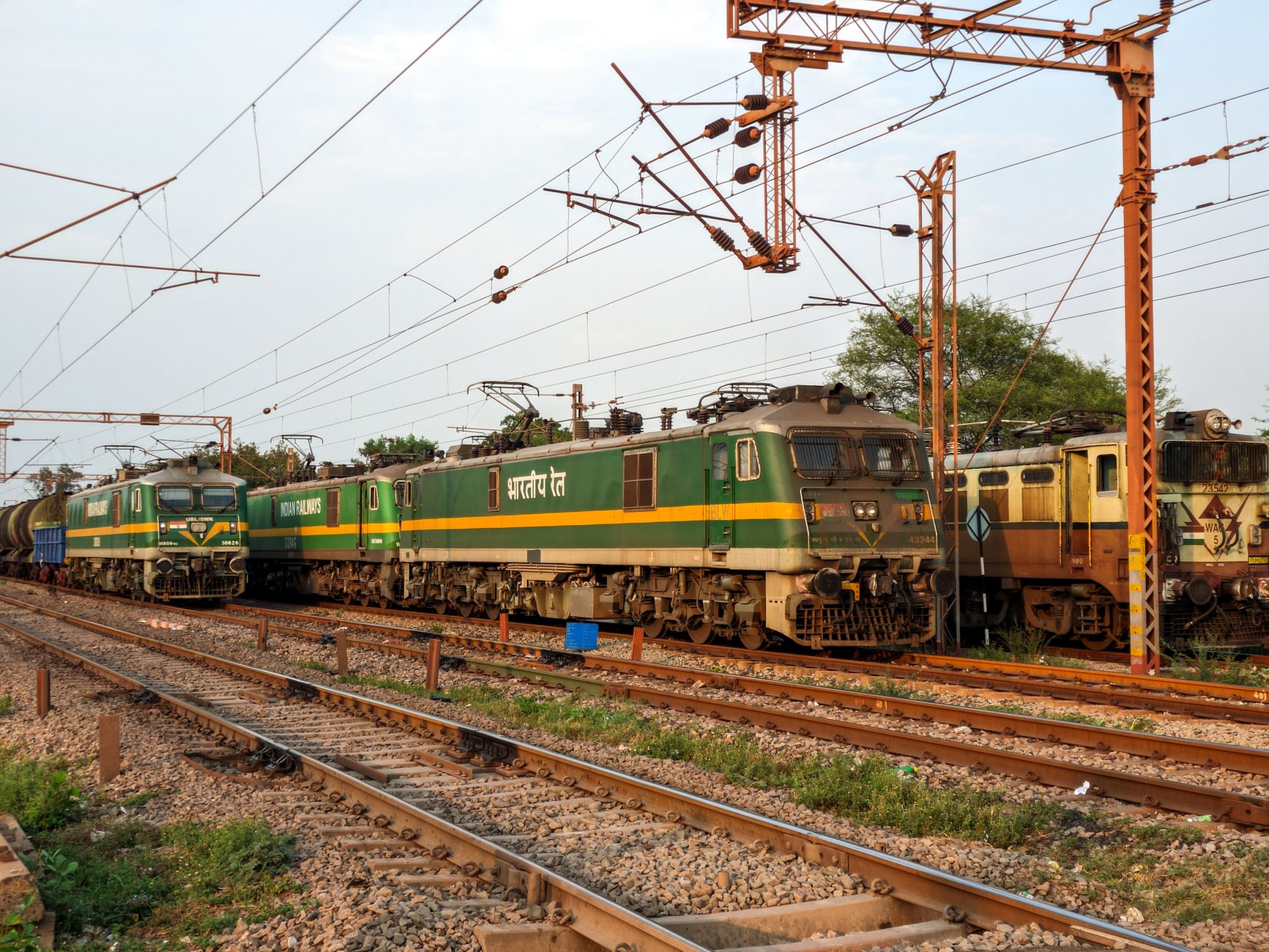
Indian Railways, one of the world's largest rail networks, is embarking on an ambitious green revolution by integrating hydrogen fuel cell technology developed domestically. This strategic move positions India at the forefront of sustainable transportation innovation while reducing dependence on imported technology and fossil fuels.
What Makes Hydrogen Fuel Cells Revolutionary
Hydrogen fuel cells generate electricity through a chemical reaction between hydrogen and oxygen, producing only water vapor and heat as byproducts. Unlike traditional diesel locomotives that emit substantial greenhouse gases, these fuel cells offer zero-emission operation. The technology works by converting stored hydrogen into electrical energy that powers electric motors, making it ideal for rail transport where heavy loads and long distances are routine requirements.
The indigenous development of this technology represents years of research and collaboration between Indian scientific institutions, railways research divisions, and private sector partners. By developing this capability domestically, India avoids technology licensing fees and creates opportunities for local manufacturing and expertise building.
Environmental and Economic Benefits
The shift to hydrogen-powered trains addresses multiple challenges simultaneously. India's railway network currently relies heavily on diesel locomotives for non-electrified routes, contributing significantly to air pollution and carbon emissions. Hydrogen fuel cells eliminate these emissions entirely, helping India meet its climate commitments under international agreements.
From an economic perspective, hydrogen fuel cells reduce operational costs over the long term. While initial infrastructure investment remains substantial, hydrogen can be produced domestically using renewable energy sources like solar and wind power through electrolysis. This creates energy security by reducing crude oil imports, which currently strain India's trade balance.
The technology also positions Indian Railways to modernize routes where traditional electrification proves economically unviable. Installing overhead electric wires in mountainous terrain or remote areas involves significant infrastructure costs. Hydrogen-powered trains offer flexibility by operating on existing tracks without requiring extensive modifications.
Implementation Strategy and Timeline
Indian Railways plans to deploy hydrogen fuel cell technology through phased implementation. Initial trials will likely focus on specific routes to test performance, refuel infrastructure, and operational procedures. Heritage routes and medium-distance passenger services may serve as testing grounds before expanding to freight operations.
The development of hydrogen refueling infrastructure forms a critical component of this transition. Strategically located hydrogen production and storage facilities will be established at major railway junctions. These facilities will need reliable water and renewable energy access to produce green hydrogen sustainably.
Training programs for railway staff represent another essential element. Maintenance crews, drivers, and safety personnel require specialized knowledge to operate and service hydrogen fuel cell systems safely, as hydrogen handling demands different protocols than conventional fuels.
Technical Challenges and Solutions
Several technical hurdles must be addressed for successful implementation. Hydrogen storage requires high-pressure tanks or cryogenic systems, both adding weight and complexity to train design. Engineers must balance fuel capacity with payload requirements to maintain operational efficiency.
The relatively limited hydrogen refueling infrastructure across India requires significant investment. Unlike diesel, which benefits from established supply chains, hydrogen distribution networks remain nascent. Coordinated planning between railways, energy companies, and government agencies will be essential for infrastructure development.
Safety protocols demand particular attention since hydrogen is highly flammable. Comprehensive safety systems including leak detection, ventilation, and emergency shutdown mechanisms must be integrated into both trains and refueling stations.
Global Context and Indian Innovation
India joins several countries exploring hydrogen railways, including Germany, which has operated hydrogen-powered passenger trains commercially. However, developing indigenous technology allows India to customize solutions for local conditions including climate extremes, varying terrain, and heavy passenger loads.
The technology transfer to manufacturing partners can stimulate job creation in emerging sectors. Component suppliers, system integrators, and service providers will develop around this new railway ecosystem, contributing to economic growth and technical capability building.
Future Prospects
Success in railway applications could catalyze hydrogen adoption across other transport sectors including buses, trucks, and eventually aviation. Indian Railways serves as an ideal testing ground due to its scale, controlled operations, and government ownership facilitating coordinated implementation.
As production scales up and technology matures, costs are expected to decline, making hydrogen increasingly competitive with conventional fuels. The combination of environmental benefits, energy security, and technological self-reliance makes this initiative a cornerstone of India's sustainable development strategy.
The indigenous hydrogen fuel cell adoption represents more than a technological upgrade—it signals India's commitment to leadership in clean energy solutions while addressing transportation needs for its 1.4 billion citizens through innovation and sustainability.