India has achieved a major breakthrough in sustainable transportation technology by retaining complete intellectual property rights for its indigenous hydrogen-powered train technology. This development represents a strategic victory in the country's efforts to reduce carbon emissions while maintaining technological sovereignty in a rapidly evolving global green mobility sector.
Understanding Hydrogen Train Technology
Hydrogen trains operate using fuel cells that convert hydrogen gas into electricity through an electrochemical process, producing only water vapor and heat as byproducts. Unlike conventional diesel trains or even electric trains that depend on overhead power lines, hydrogen trains carry their own fuel in pressurized tanks mounted on the roof or undercarriage. The fuel cells generate electricity to power electric motors, offering a zero-emission alternative for rail routes where electrification is economically unviable.
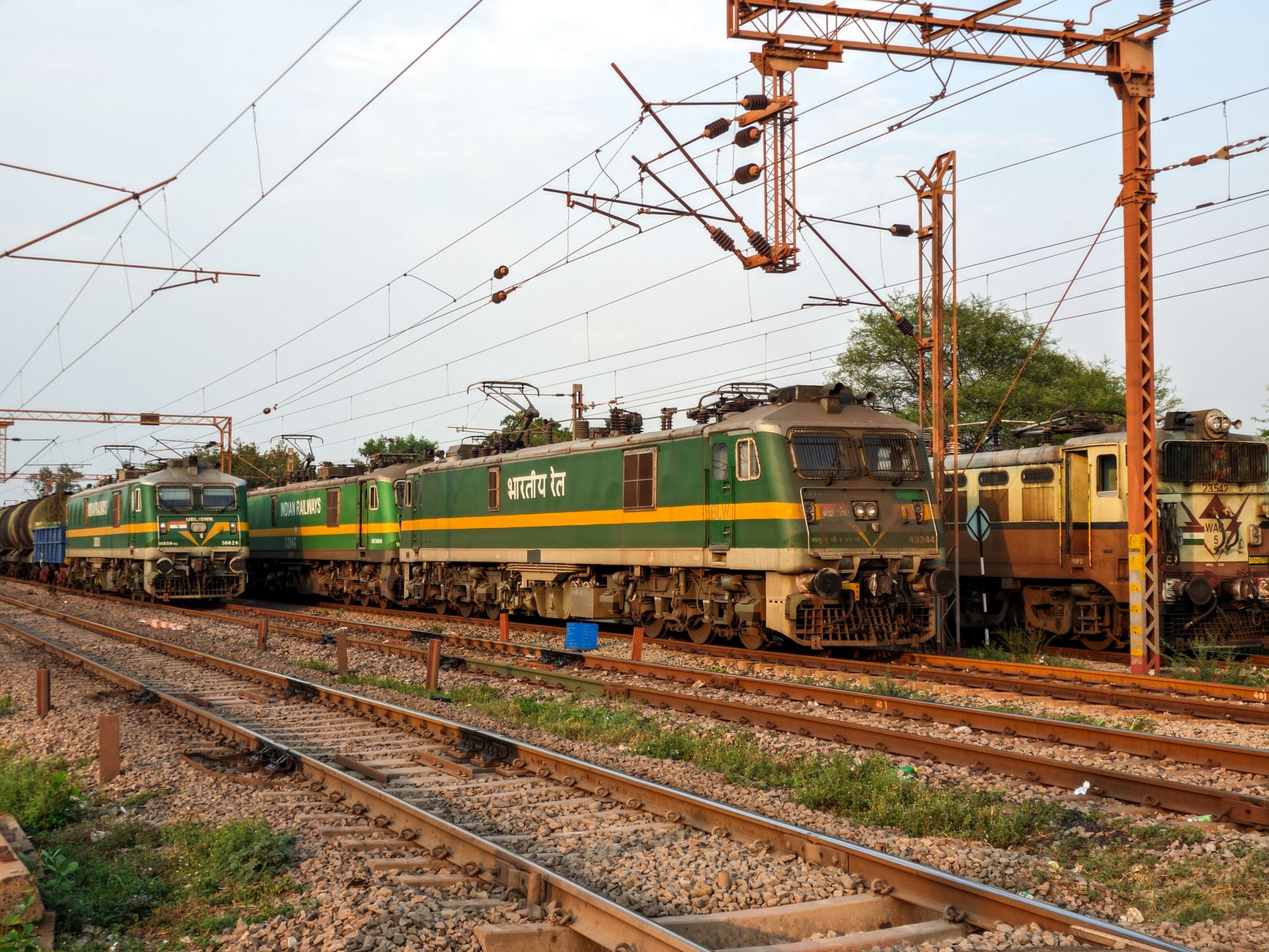
This technology is particularly relevant for India, where approximately 40 percent of the railway network still runs on diesel. Converting these routes to hydrogen power could significantly reduce the carbon footprint of Indian Railways, one of the world's largest rail networks carrying over 8 billion passengers annually.
The Significance of IP Rights Retention
Retaining intellectual property rights for this technology means India owns the patents, designs, and technical know-how developed during the research and manufacturing process. This ownership carries several strategic advantages:
- Complete control over technology deployment and modifications
- Ability to license the technology to other countries
- Cost savings from avoiding royalty payments to foreign entities
- Enhanced bargaining position in international technology partnerships
- Protection against technology transfer restrictions during geopolitical tensions
- Foundation for building a domestic hydrogen mobility ecosystem
Countries that develop indigenous technologies rather than licensing them from abroad typically save billions in long-term costs and create more robust domestic innovation capabilities. For a technology-intensive sector like hydrogen mobility, IP ownership is particularly valuable given the global race toward decarbonization.
India's Progress in Hydrogen Mobility
Indian Railways has been working on hydrogen train development for several years as part of its broader commitment to achieving net-zero carbon emissions by 2030. The organization has partnered with domestic research institutions and manufacturing units to develop trains that can operate on existing tracks without requiring extensive infrastructure modifications.
The first hydrogen train trials in India are expected to test key parameters including fuel efficiency, operational range, refueling time, and performance across different terrains and climatic conditions. The diverse geography of India, from coastal regions to high-altitude routes in the Himalayas, presents unique engineering challenges that make indigenous development essential.
Global Context and Competition
India joins a select group of nations developing hydrogen train technology. Germany launched the world's first hydrogen passenger trains in 2018, while France, the United Kingdom, China, and Japan have ongoing hydrogen rail projects. However, most countries either license foreign technology or collaborate extensively with international partners, often resulting in shared or limited IP rights.
By retaining complete IP rights, India positions itself not just as a user but as a potential exporter of hydrogen train technology, particularly to other developing nations with similar railway infrastructure needs and electrification challenges.
Economic and Environmental Impact
The economic implications of this development extend beyond railways. Indigenous hydrogen technology can catalyze growth in related sectors including fuel cell manufacturing, hydrogen production and storage infrastructure, specialized materials engineering, and maintenance services. This creates opportunities for startups, research institutions, and established industrial players to participate in the emerging hydrogen economy.
From an environmental perspective, replacing diesel trains with hydrogen alternatives could eliminate millions of tons of carbon dioxide emissions annually. This aligns with India's commitments under international climate agreements and its domestic goals of increasing renewable energy capacity.
Challenges Ahead
Despite the promising development, several challenges remain before hydrogen trains become commercially viable. Establishing hydrogen production facilities using renewable energy sources, building refueling infrastructure along rail routes, ensuring safety standards for hydrogen storage and handling, and managing the initial high capital costs are all significant hurdles.
The success of this technology will depend on coordinated efforts between railways, energy companies, industrial manufacturers, and policymakers to create an integrated ecosystem supporting hydrogen mobility.
India's retention of IP rights for hydrogen train technology demonstrates the country's growing capabilities in developing advanced transportation solutions. As the technology moves from development to deployment, it could serve as a template for indigenous innovation in other critical sectors, reinforcing the vision of technological self-reliance while contributing to global sustainability goals.