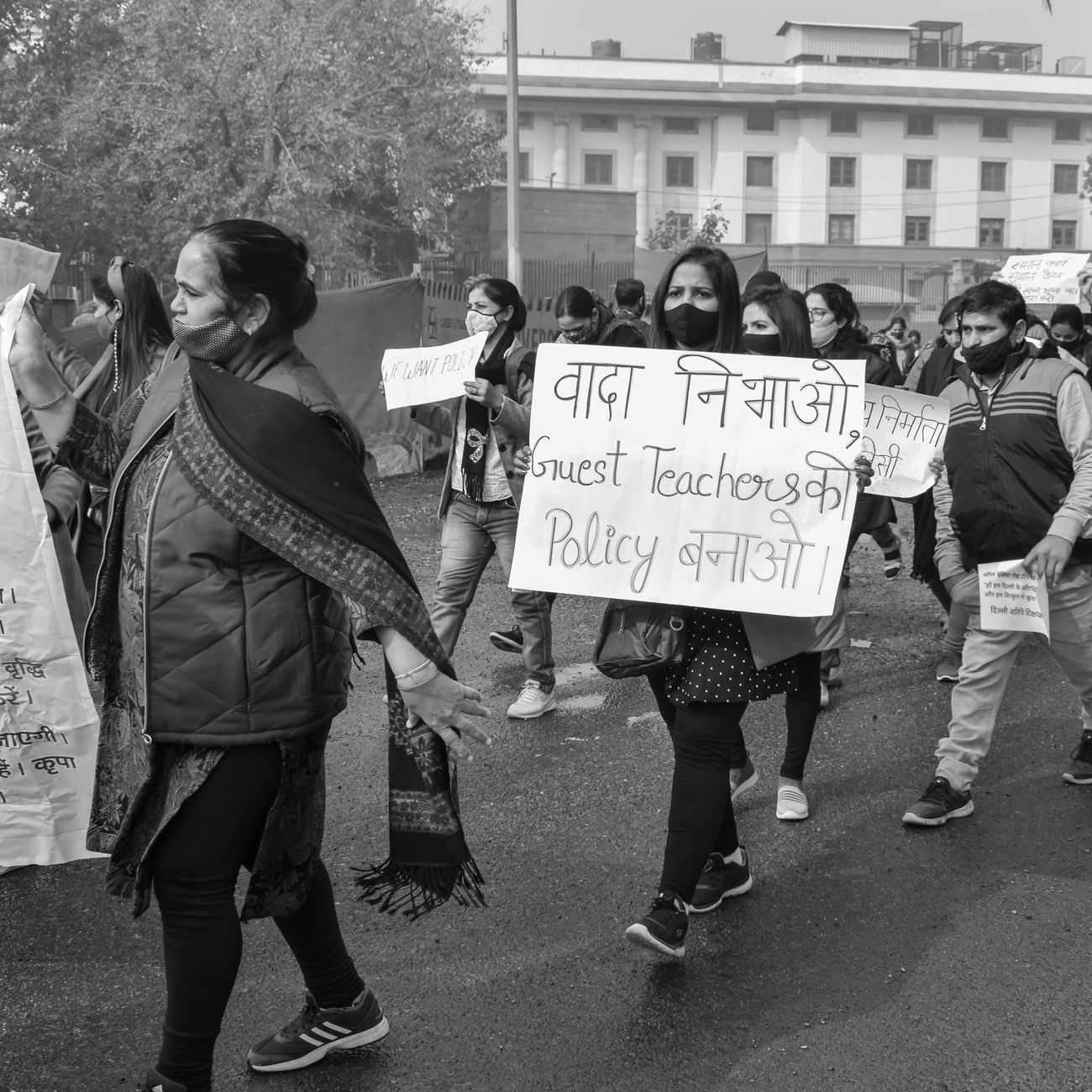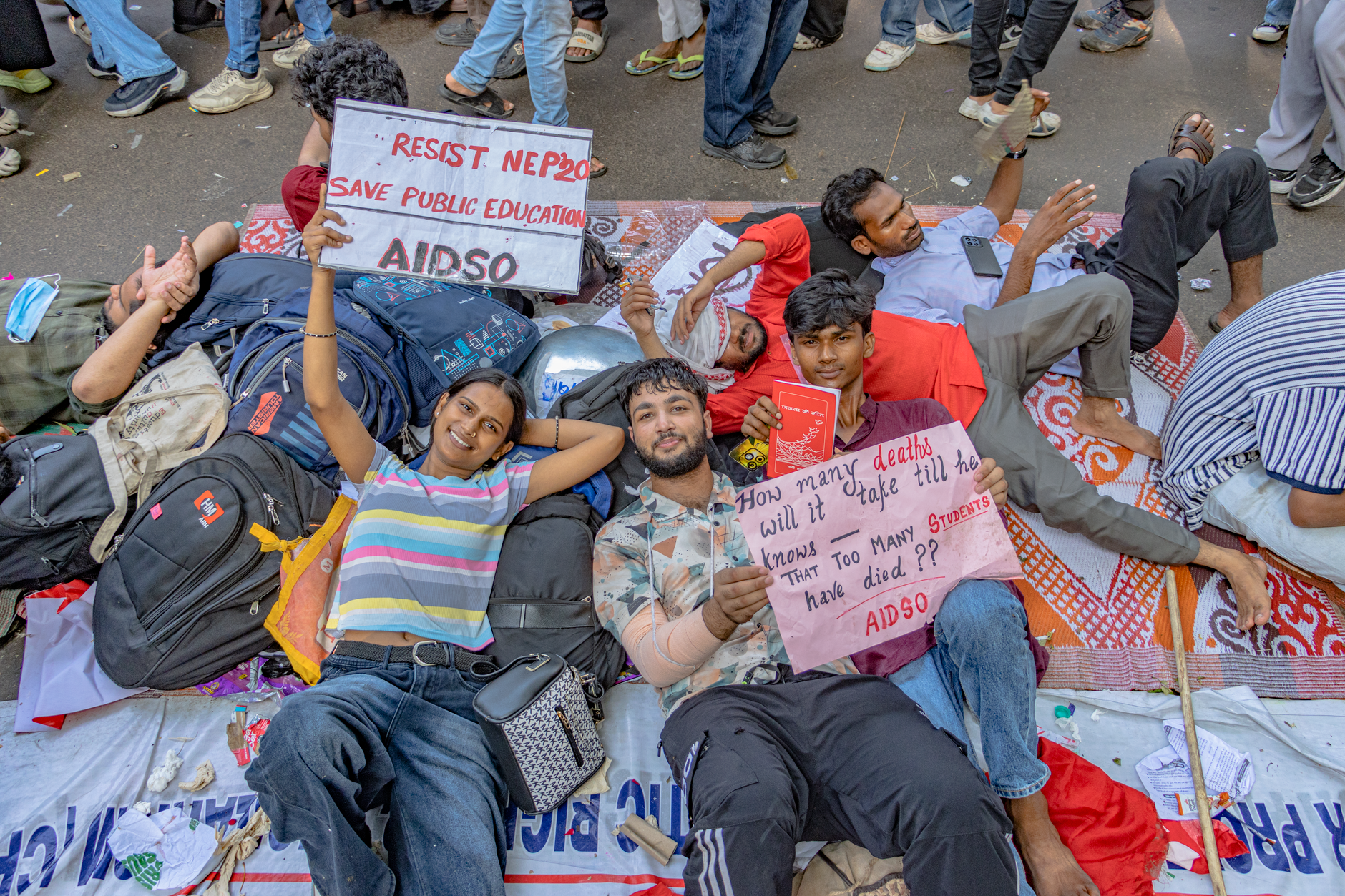
India's public examination system, which annually impacts tens of millions of young people competing for limited government jobs and educational opportunities, is undergoing significant transformation following massive protests that erupted across the country. The youth-led demonstrations highlighted deep frustrations with examination irregularities, paper leaks, and a system many believe has failed to keep pace with the aspirations of the world's most populous nation.
The Scale of India's Exam Challenge
India's competitive examination ecosystem is enormous in scope. Every year, approximately 10-12 million candidates appear for various central and state-level exams, competing for roughly 100,000 government positions. The stakes are extraordinarily high, with candidates often spending years preparing for exams like the Union Public Service Commission (UPSC) examination, Staff Selection Commission (SSC) tests, and railway recruitment exams.
The intense competition has created an entire industry around exam preparation, with coaching centers generating billions of rupees annually. For many families, particularly from rural and economically disadvantaged backgrounds, securing a government job through these exams represents the pinnacle of upward mobility and financial security.
What Triggered the Protests
The recent wave of protests was sparked by a series of high-profile examination failures, including:
- Repeated instances of question paper leaks before major exams
- Allegations of answer key manipulation and irregularities in result declaration
- Technical glitches during computer-based tests affecting thousands of candidates
- Delayed result announcements leaving aspirants in prolonged uncertainty
- Lack of transparency in evaluation and grievance redressal mechanisms
Students particularly raised concerns about the emotional and financial toll these irregularities exact. Many aspirants invest significant family resources and years of their lives preparing for these exams, making any compromise in the system's integrity deeply personal.
Key Reforms Being Implemented
In response to mounting pressure, both central and state governments have announced several structural reforms to restore credibility to the examination system.
The establishment of dedicated anti-paper leak task forces represents a major shift, with several states implementing stricter security protocols including real-time surveillance of printing presses, tamper-proof question paper packets, and mandatory background checks for personnel involved in exam administration.
Technology integration is being prioritized, with authorities expanding computer-based testing infrastructure to reduce human intervention and paper-based vulnerabilities. Several agencies are adopting biometric authentication and AI-powered proctoring systems to prevent impersonation and malpractice.
Legislative measures are also underway, with proposals for stringent penalties against those involved in examination fraud, including lengthy prison sentences and substantial fines. Some states have introduced specific laws treating exam paper leaks as serious criminal offenses.
Systemic Changes to Recruitment
Beyond immediate security measures, there is growing recognition that the examination system itself needs fundamental reform. Multiple recruitment agencies are exploring alternatives to the traditional one-exam-decides-all model, considering continuous evaluation systems and skill-based assessments rather than purely memory-oriented tests.
The government is also addressing the examination calendar, attempting to create predictable schedules that reduce uncertainty for aspirants. Standardized grievance redressal mechanisms with clear timelines are being established, allowing candidates formal channels to challenge irregularities.
Addressing the Underlying Crisis
The protests have illuminated a deeper crisis in India's employment landscape. The overwhelming competition for government jobs reflects broader challenges in private sector job creation and the perceived stability and social status associated with public sector employment.
Educational experts argue that reforms must extend beyond examination security to address why millions of educated young Indians are channeling their energies into competitive exams rather than diverse career paths. This includes strengthening vocational training, encouraging entrepreneurship, and improving the quality of employment in the private sector.
Implementation Challenges Ahead
Despite announced reforms, significant challenges remain. The sheer scale of India's examination system makes comprehensive monitoring difficult. Coordination between multiple agencies conducting exams at central and state levels requires unprecedented cooperation and standardization.
Additionally, the political dimensions cannot be ignored. Exam-related issues have become electoral flashpoints, with opposition parties often weaponizing examination failures against incumbent governments. This political sensitivity sometimes leads to reactive rather than systematic responses.
The success of these reforms will ultimately be measured not just by reduced paper leaks but by whether young Indians regain confidence in a system that represents their primary pathway to economic security and social advancement. The outcome will significantly impact millions of families who continue to see competitive examinations as their gateway to prosperity.