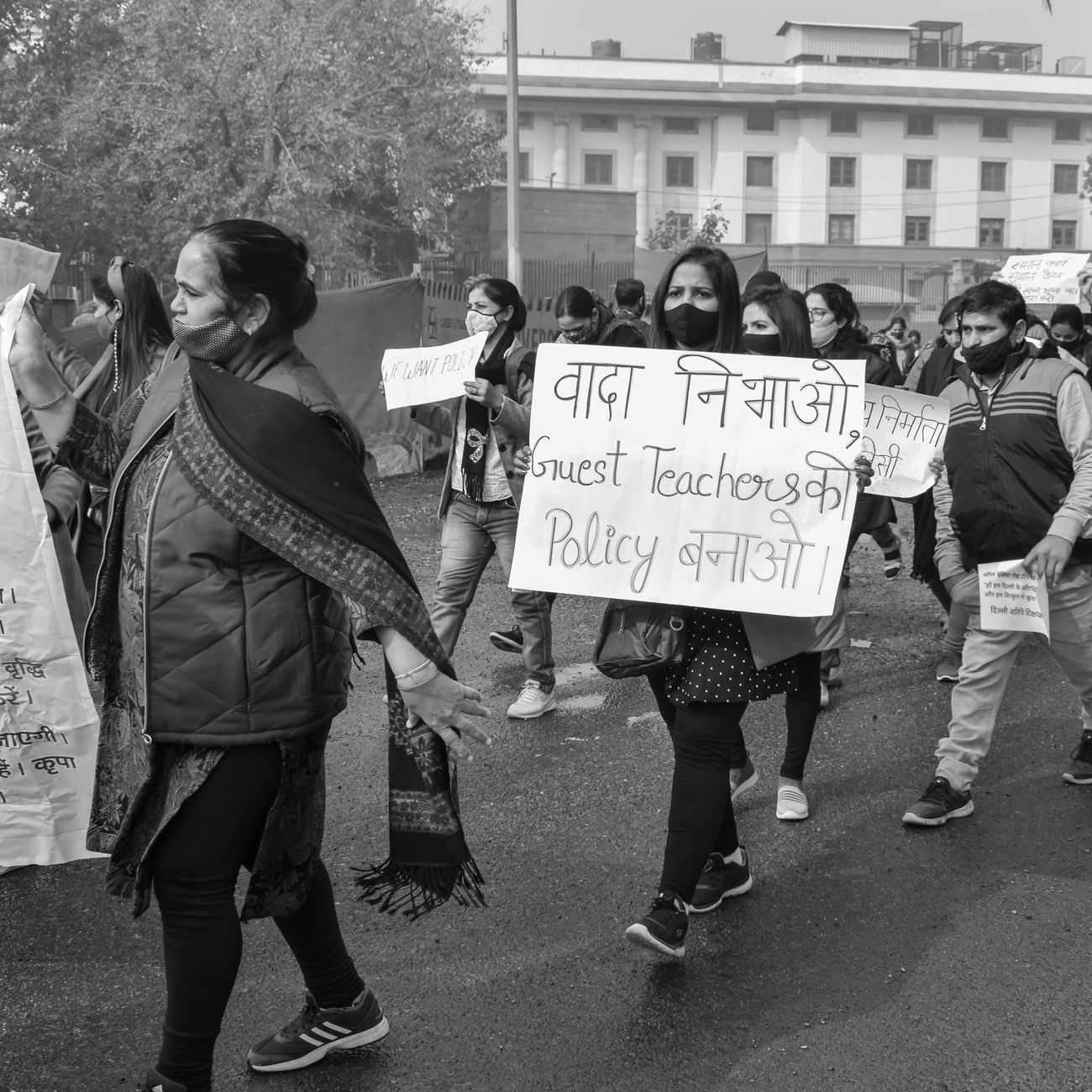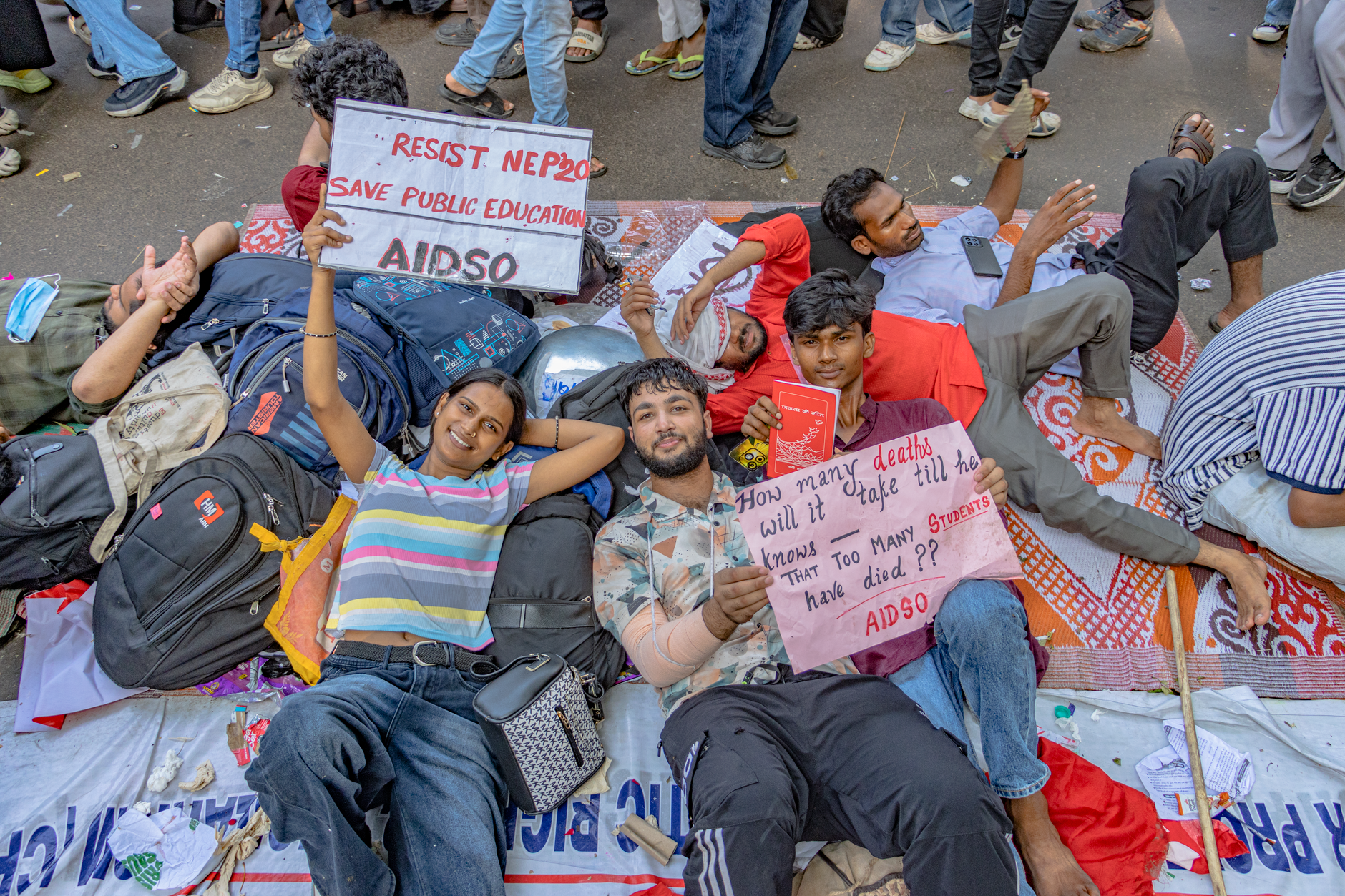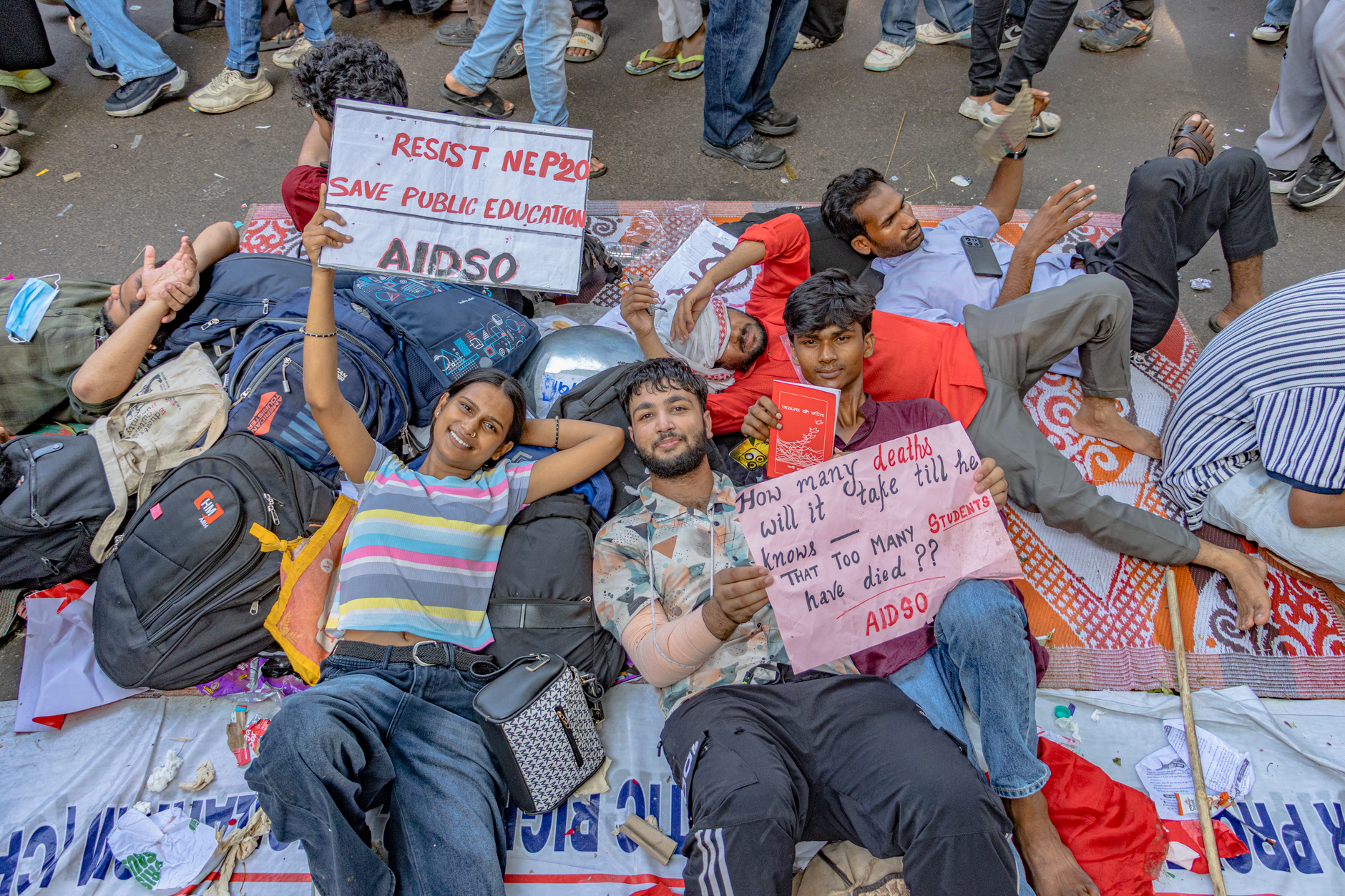
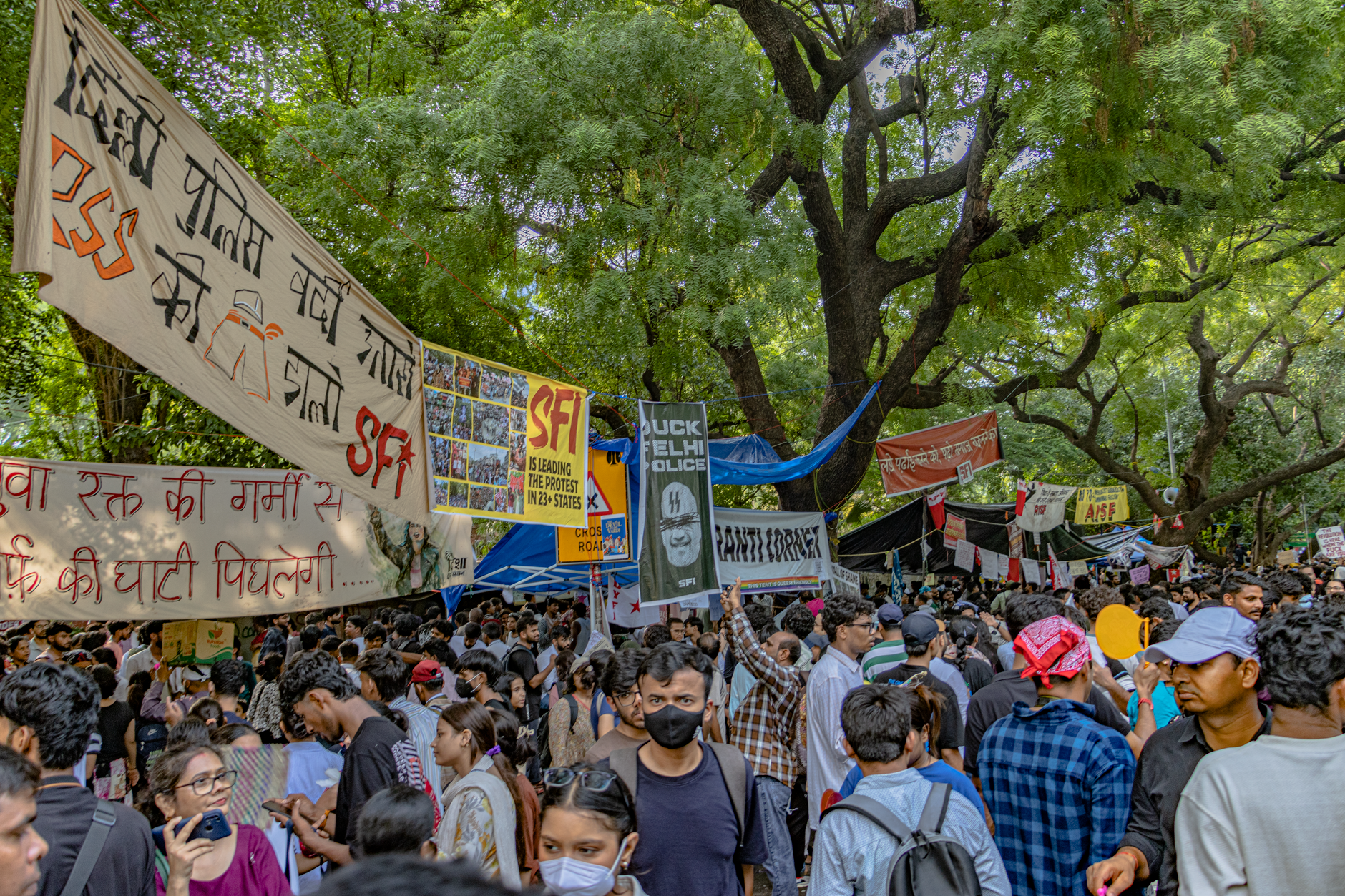
Student protests erupted across India following inflammatory comments that compared students to cockroaches, igniting a firestorm of criticism and demonstrations at educational institutions nationwide. The controversy has brought attention to longstanding concerns about how students are treated within India's education system and the broader relationship between educational authorities and learners.
Background of the Controversy
The protests stem from statements made by educational authorities or officials that likened students to cockroaches, sparking immediate backlash from student unions, parents, and civil society organisations. Such dehumanising language struck a nerve in a country where students already face immense academic pressure, competitive examination systems, and concerns about mental health support in educational institutions.
The metaphor was seen as particularly offensive given the cultural context in India, where respect for students and the teacher-student relationship holds traditional significance. Students interpreted the remarks as symptomatic of a larger problem: administrative attitudes that view learners as problems to be managed rather than individuals to be nurtured.
Government's Initial Response
In the immediate aftermath of the protests, government responses varied across different levels of administration. Central government officials initially attempted to distance themselves from the controversy, with some ministers calling for calm and urging students to focus on their studies. Several spokespersons emphasised that isolated comments do not reflect official policy or the government's commitment to education.
Some state governments took a more proactive approach, with education ministers issuing statements condemning any dehumanising language directed at students. However, critics argued these responses were insufficient and failed to address the underlying systemic issues that students were highlighting through their demonstrations.
Administrative Actions Taken
Following sustained protests, several administrative measures were announced. Some educational institutions set up grievance redressal committees to address student concerns more effectively. Certain universities promised to review their codes of conduct for faculty and administrators to prevent such incidents in the future.
In some regions, authorities announced dialogue sessions between student representatives and education department officials. These forums were intended to create channels for better communication and to address student welfare concerns that extend beyond the immediate controversy.
Law Enforcement Response
The government's law enforcement response to the protests themselves drew additional criticism. In several cities, police were deployed to manage demonstrations, with reports of detentions and restrictions on assembly in certain areas. Authorities defended these measures as necessary to maintain public order and ensure protests remained peaceful.
Student organisations countered that such heavy-handed responses only validated their concerns about how students are perceived by the establishment. The debate intensified around the fundamental right to peaceful protest and freedom of expression in educational settings.
Policy Discussions Triggered
The protests have catalysed broader policy discussions about student welfare in India's education system. Parliamentary questions have been raised about mental health support services in educational institutions, mechanisms for student feedback, and training programmes for educators and administrators on respectful communication.
Some education reform advocates have used the moment to push for comprehensive changes in how educational institutions are governed, including greater student representation in decision-making bodies and clearer frameworks for addressing grievances.
Political Dimensions
The issue has taken on political dimensions, with opposition parties criticising the government's handling of student concerns and accusing authorities of being out of touch with young Indians. Government supporters have countered that opposition groups are exploiting student sentiments for political gain.
Student unions affiliated with various political parties have organised coordinated protests, though many independent student groups have emphasised that their movement transcends party politics and focuses on fundamental dignity and respect within educational spaces.
Ongoing Developments
As the situation continues to evolve, the government faces pressure to demonstrate concrete commitments to improving student welfare and institutional culture. Whether the protests lead to substantive reforms or remain a temporary flashpoint depends largely on sustained pressure from student organisations and civil society.
The controversy has undeniably brought national attention to questions about power dynamics in educational institutions, the treatment of students, and the need for systems that prioritise learner well-being alongside academic excellence. How India's education system responds to these demands may have implications for student-institution relationships for years to come.
This article provides general information about ongoing developments and should not be considered as legal or political advice. Situations may vary across different states and institutions.