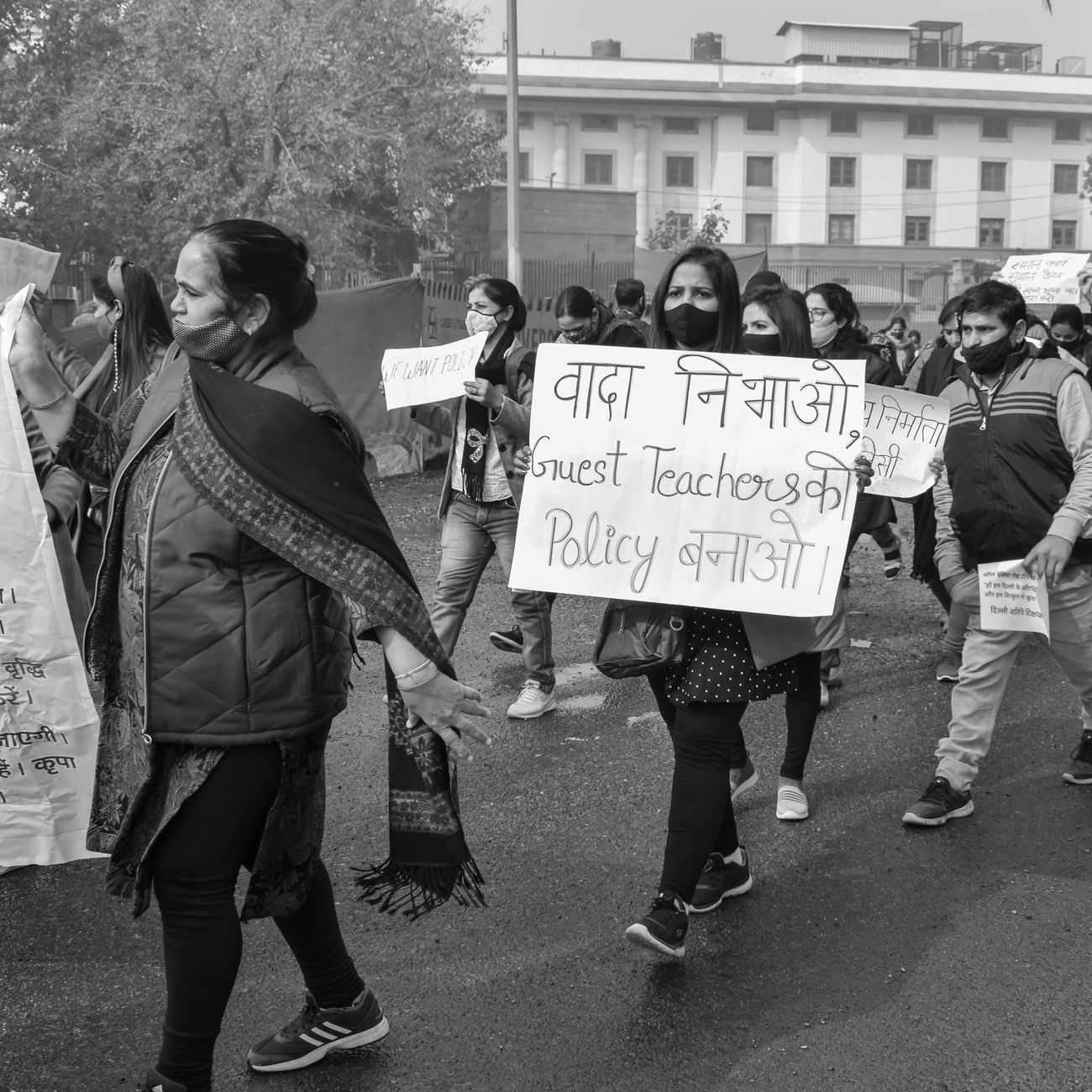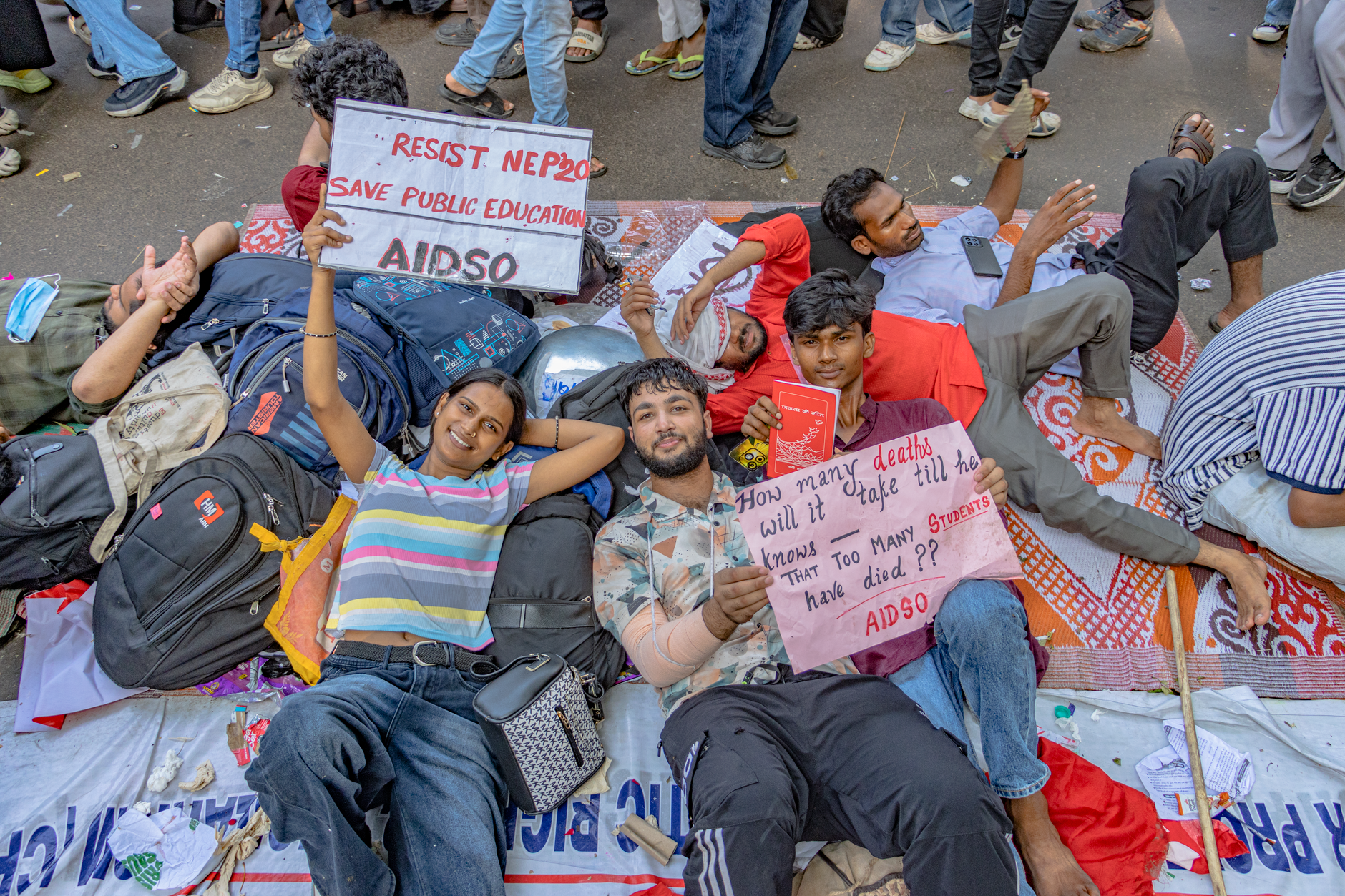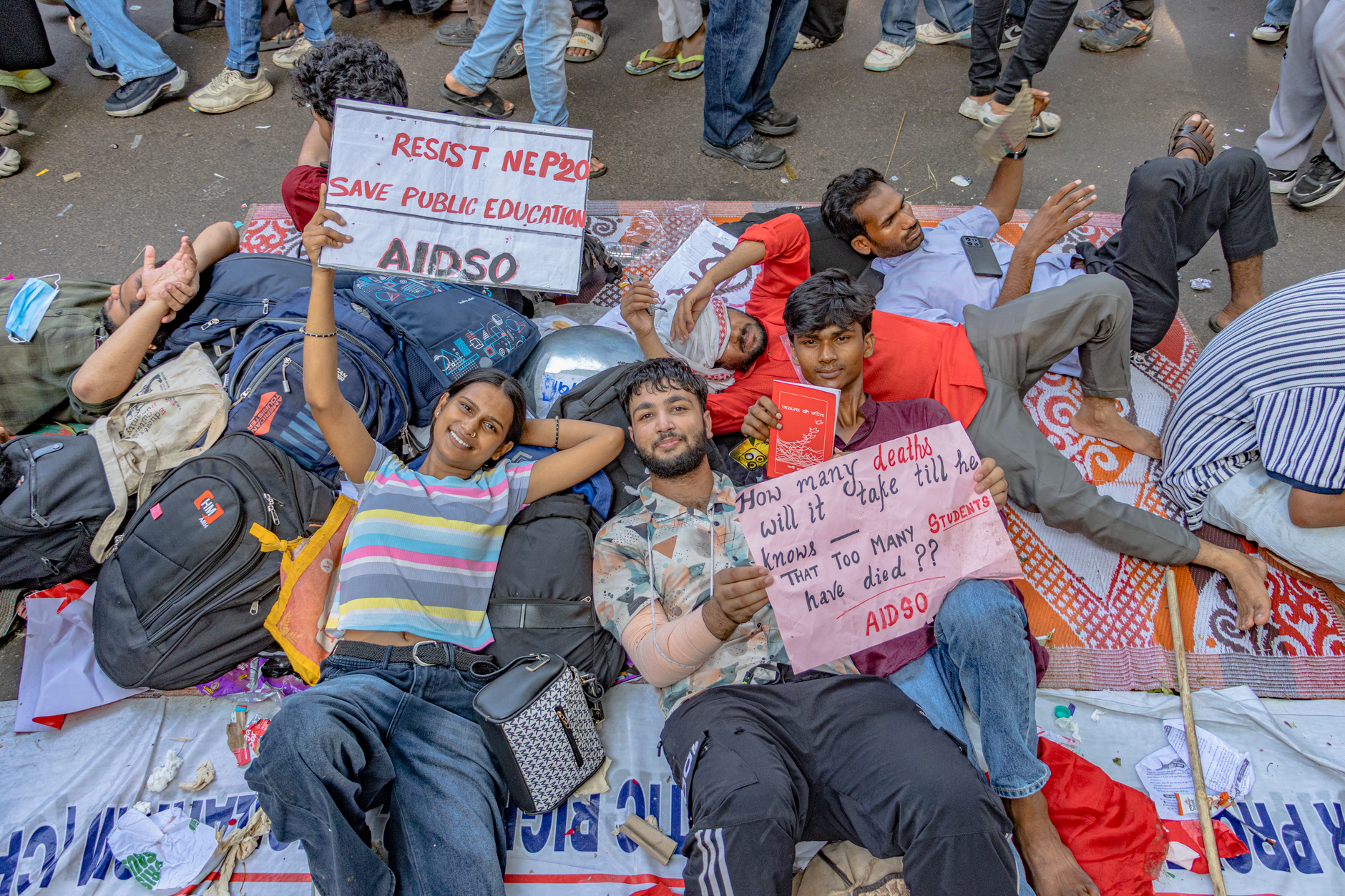

India's youth population represents one of the world's largest demographic dividends, with over 600 million people under the age of 25. Yet this advantage is increasingly clouded by a troubling reality: millions of young Indians are completing their education only to find themselves unemployed or underemployed, fueling widespread discontent that threatens to reshape the country's social and political landscape.
The Disconnect Between Education and Employment
India's higher education system has expanded dramatically over the past two decades, with enrollment numbers soaring from around 10 million in 2001 to over 40 million today. Engineering colleges, business schools, and universities have mushroomed across the country, promising students a pathway to middle-class prosperity. However, the quality and relevance of this education has not kept pace with quantity.
Many graduates report feeling inadequately prepared for the modern workplace. Curricula often remain outdated, focused on rote learning rather than critical thinking, problem-solving, or practical skills. Computer science students may graduate without knowledge of current programming languages, while business graduates lack exposure to real-world case studies or internship experiences.
The Unemployment Challenge
Official unemployment figures tell only part of the story. While headline unemployment rates have fluctuated between 7-8 percent in recent years, youth unemployment consistently runs much higher. Among those aged 20-24, unemployment rates have reached 25-30 percent in some periods, with graduates facing even bleaker prospects than those with lower educational qualifications.
This paradox—where more education correlates with longer unemployment—reflects a fundamental mismatch between what students learn and what employers need. Competitive government exams attract millions of applicants for a handful of positions, with railway recruitment drives sometimes receiving over 10 million applications for 60,000 posts.
Skills Gap and Industry Demands
Industry leaders consistently report difficulty finding candidates with appropriate skills, even as unemployment remains high. The National Employability Report has repeatedly found that fewer than half of Indian graduates are employable in any sector, with specific skill deficits in:
- Communication and English language proficiency
- Technical skills aligned with current industry standards
- Soft skills including teamwork and problem-solving
- Digital literacy and adaptability to new technologies
- Domain-specific expertise in emerging fields
This skills gap forces companies to invest heavily in training new hires or to leave positions unfilled, even as qualified-on-paper candidates struggle to find work.
The Cost of Educational Investment
For many Indian families, sending a child to college represents the single largest financial investment they will ever make. Parents often deplete savings, sell assets, or take loans to fund their children's education, expecting that a degree will guarantee economic mobility and security.
When graduates cannot find adequate employment, the consequences extend beyond individual disappointment. Families face financial strain, borrowed money goes unrepaid, and the promised return on educational investment fails to materialize. This broken promise erodes trust in institutions and fuels social frustration.
Emerging Responses and Alternatives
Recognizing these challenges, various initiatives have emerged:
The National Education Policy 2020 aims to overhaul curricula, emphasize multidisciplinary learning, and strengthen vocational education. However, implementation remains slow and uneven across states.
Private sector bootcamps and online learning platforms have proliferated, offering practical skills training in areas like software development, data analysis, and digital marketing. These alternatives increasingly compete with traditional degrees for student attention.
Some states have launched skill development missions and apprenticeship programs, though scale and quality vary considerably.
Political and Social Implications
Youth frustration with limited opportunities carries significant political weight in the world's largest democracy. First-time voters and young adults represent a substantial voting bloc, and their economic anxieties influence electoral outcomes and policy priorities.
Beyond politics, prolonged youth unemployment affects mental health, delays family formation and household creation, and can contribute to social instability. The demographic dividend that should drive economic growth risks becoming a demographic burden if millions of young people remain unproductively idle.
The Path Forward
Addressing India's education-employment crisis requires coordinated action across multiple fronts: modernizing curricula, strengthening faculty training, fostering industry-academia partnerships, expanding quality vocational education, and creating an enabling environment for job creation in sectors that can absorb skilled workers.
Without meaningful progress, the frustration of India's Generation Z may deepen, with consequences that extend far beyond individual career disappointments to shape the country's social fabric and economic trajectory for decades to come.