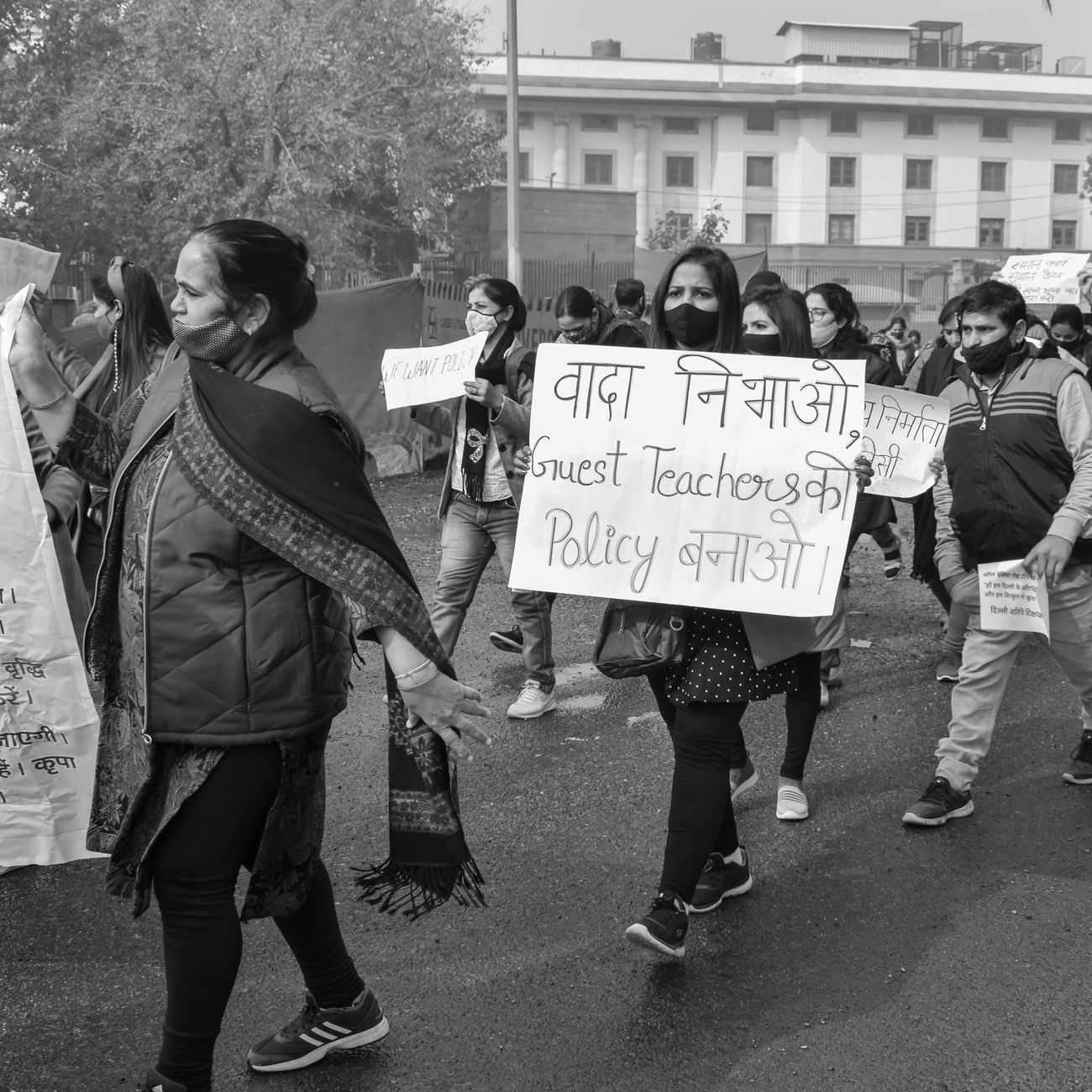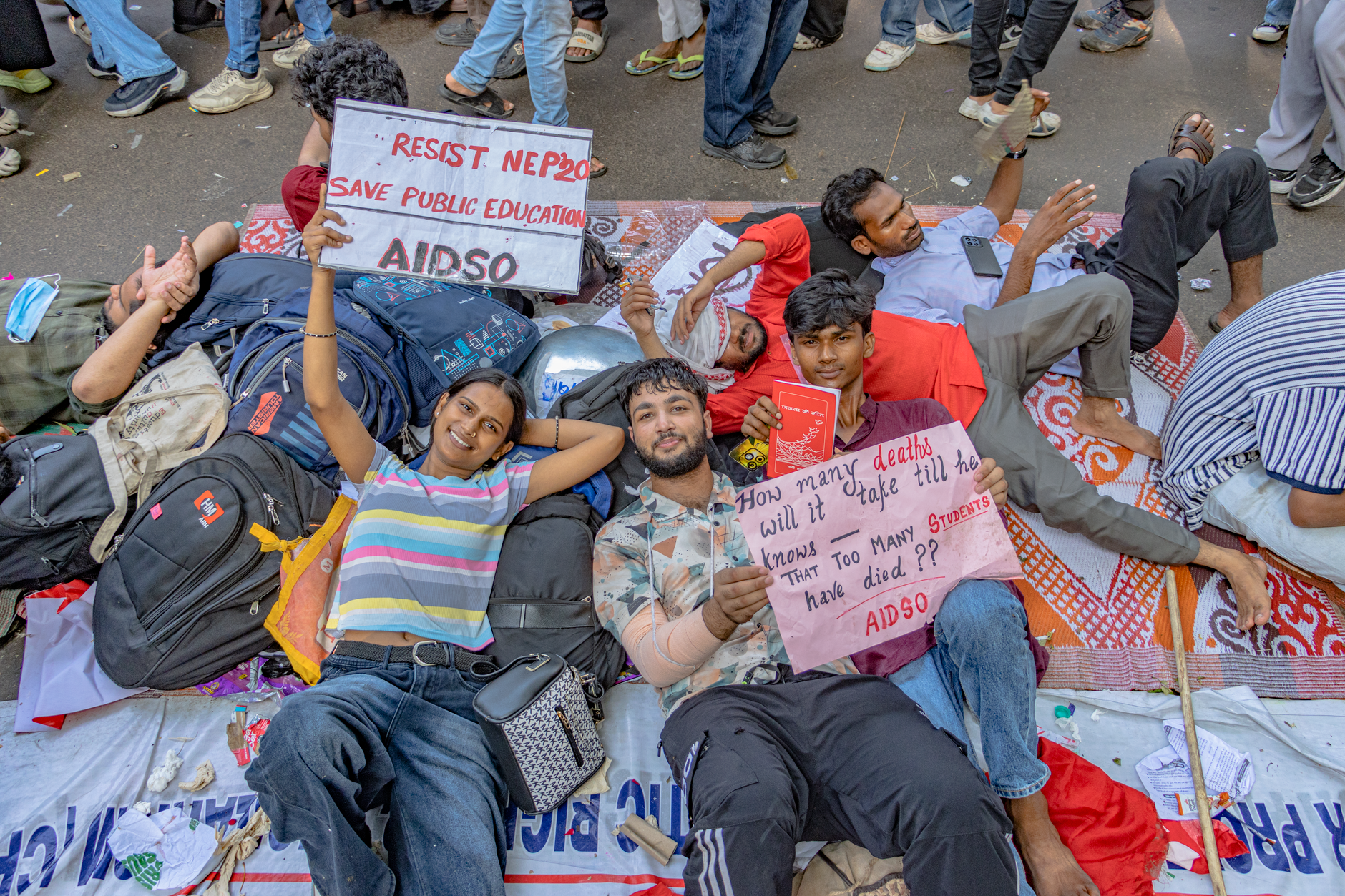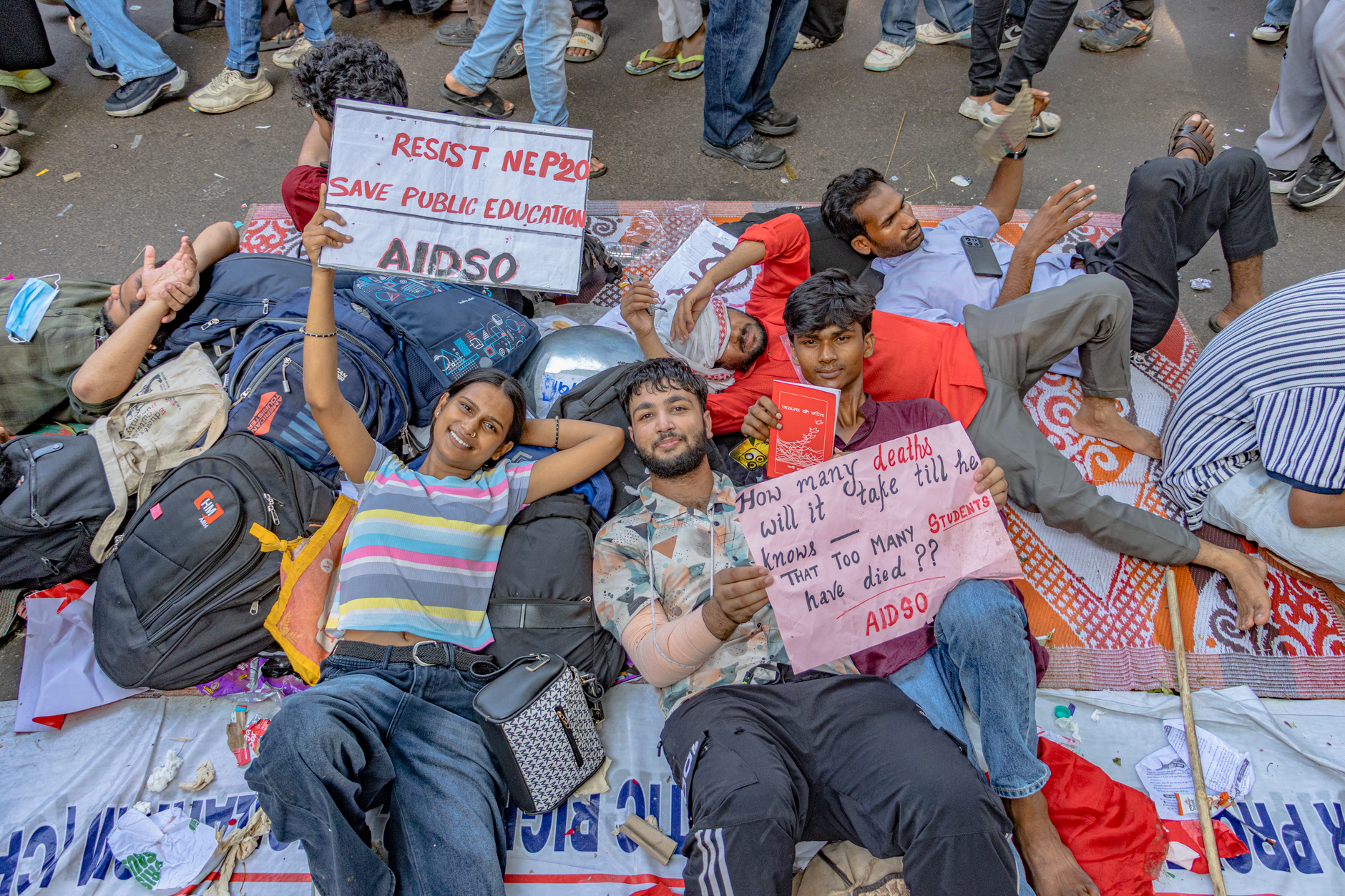
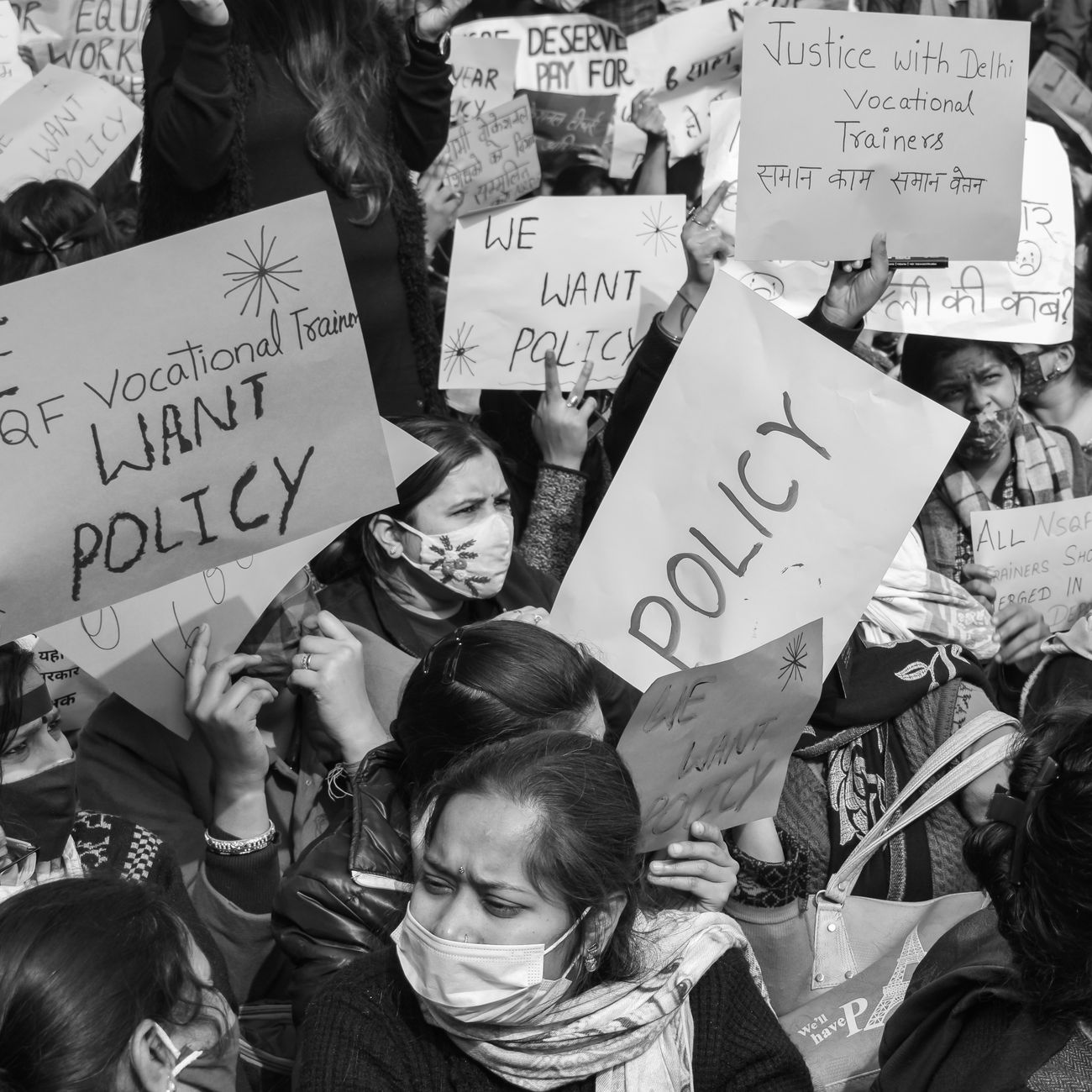
India's youth have emerged as a formidable force in shaping the country's education landscape, demonstrating their ability to mobilize quickly and effectively challenge policies they view as unjust. While recent student-led protests have achieved some of their immediate objectives, activists maintain that the government's response represents tactical concessions rather than the systemic transformation they seek.
The Power of Student Mobilization
Student protests have a storied history in India, from the independence movement to contemporary campaigns for educational equity. Today's young protesters benefit from digital connectivity that allows them to organize rapidly across cities and states. Social media platforms enable them to share grievances, coordinate demonstrations, and build public support with unprecedented speed.
Recent agitations have centered on various education-related issues, from examination reforms and admission policies to concerns about educational accessibility and quality. What distinguishes current movements is the protesters' sophistication in articulating demands and their unwillingness to settle for superficial changes.
Victories and Concessions
Several student-led campaigns have compelled authorities to reverse or modify controversial decisions. These wins include:
- Rollbacks of sudden examination schedule changes that disadvantaged students
- Modifications to admission criteria following concerns about fairness
- Postponement of policy implementations lacking adequate consultation
- Promises of review committees to examine contested regulations
However, activists argue these victories represent crisis management rather than genuine policy reform. Governments often respond to immediate pressure but fail to address underlying structural problems in India's education system.
Beyond Damage Control
Young protesters increasingly reject what they perceive as tokenistic responses designed to defuse immediate tensions. Their critique centers on several key points.
First, they argue that reactive policy reversals don't address the lack of meaningful student consultation in educational decision-making. They want institutionalized mechanisms for student voice in policy formulation, not just grudging responses to street protests.
Second, protesters seek comprehensive reform rather than piecemeal adjustments. Issues like examination stress, outdated curricula, inadequate infrastructure, and limited opportunities for skill development require systemic solutions, not quick fixes to quell unrest.
Third, there's growing frustration with the gap between official rhetoric about education's importance and actual resource allocation. Students point to underfunded public institutions, teacher shortages, and infrastructure deficits as evidence that governments prioritize education in speeches but not budgets.
The Broader Context
These protests occur against a backdrop of significant challenges facing Indian education. The country's youth bulge means millions enter the education system annually, straining resources and infrastructure. Competition for quality education and employment opportunities intensifies pressure on students while amplifying their stake in education policy.
The COVID-19 pandemic exposed and exacerbated existing inequalities, with digital divide issues preventing millions from accessing online education. Young people who experienced these disruptions are particularly vocal about demanding education systems that are resilient, inclusive, and responsive to student needs.
Demands for Systemic Change
Contemporary student movements are articulating sophisticated demands that go beyond immediate grievances:
- Transparent, consultative policy-making processes with genuine student representation
- Increased public investment in education infrastructure and teacher training
- Curriculum reforms emphasizing critical thinking over rote memorization
- Equitable access to quality education regardless of socioeconomic background
- Mental health support systems addressing examination and career pressure
- Skill development programs aligned with evolving employment landscapes
Government Response Strategies
Authorities have employed various strategies to manage student unrest, from dialogue and negotiation to, in some cases, more heavy-handed approaches. The challenge for governments lies in distinguishing between legitimate grievances requiring policy reform and manageable administrative issues.
Progressive administrators recognize that engaging constructively with student concerns can improve educational outcomes and institutional credibility. Others view protests primarily through a law-and-order lens, potentially missing opportunities for meaningful engagement.
The Path Forward
India's young protesters have demonstrated they cannot be easily dismissed or mollified with superficial concessions. Their persistence signals a generational shift in how students view their relationship with educational institutions and policymakers.
The question facing India's education establishment is whether it will embrace this energy as a catalyst for genuine reform or continue treating student activism as a problem requiring damage control. Students have shown they can win battles; they're now focused on winning the war for educational transformation that serves India's future rather than perpetuating outdated systems.
As this generation of activists matures, their expectations for accountability, transparency, and responsiveness will likely influence not just education policy but broader governance standards across Indian society.