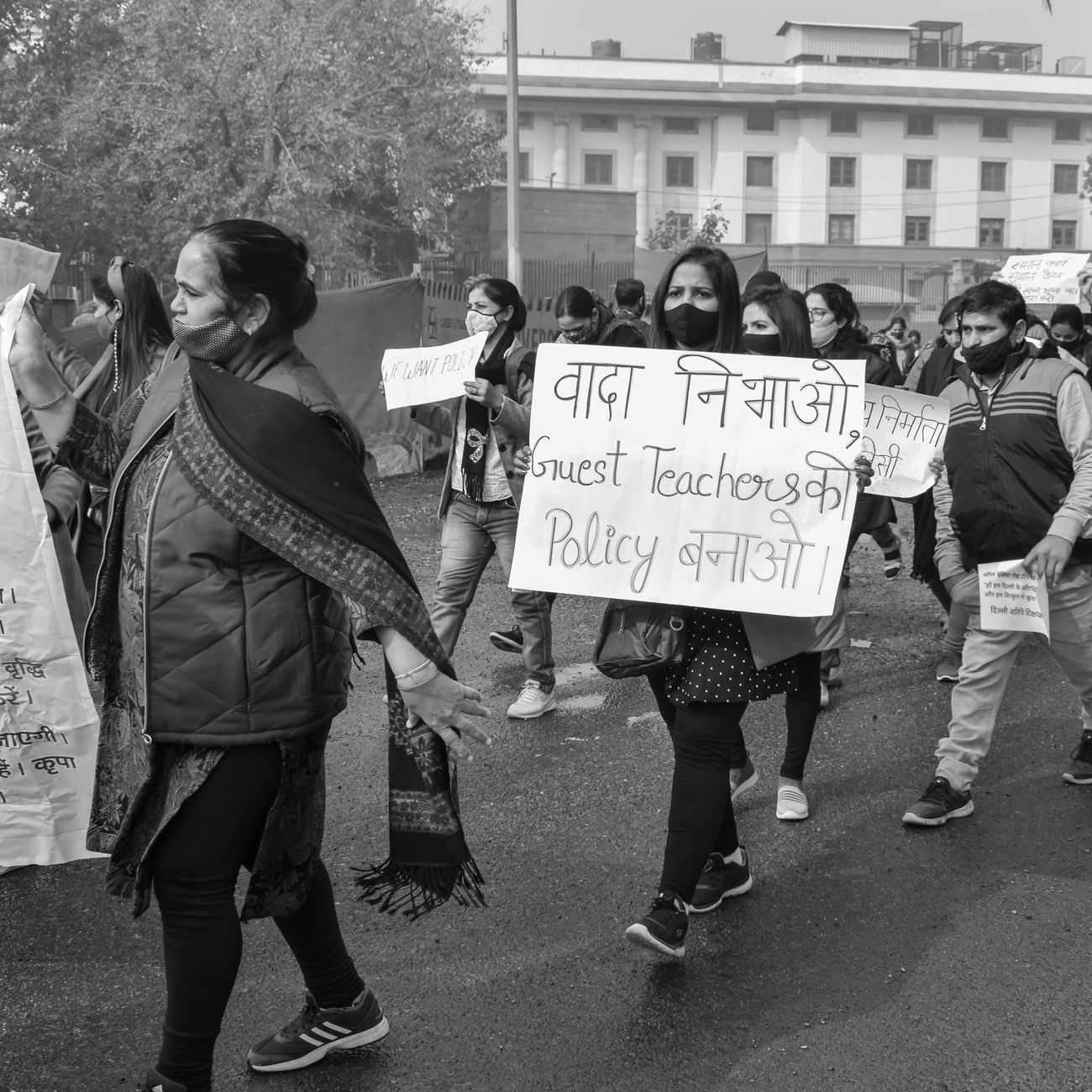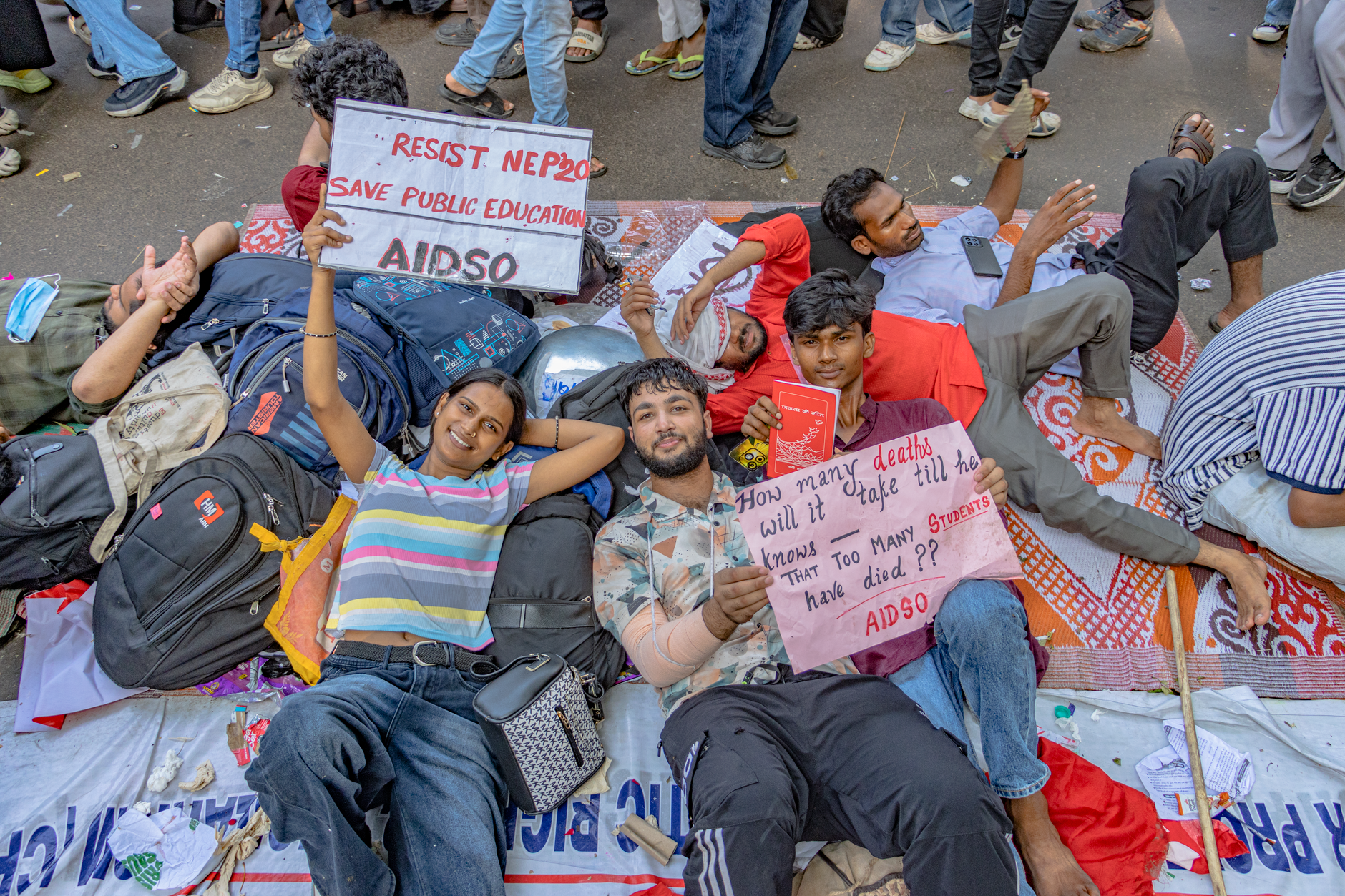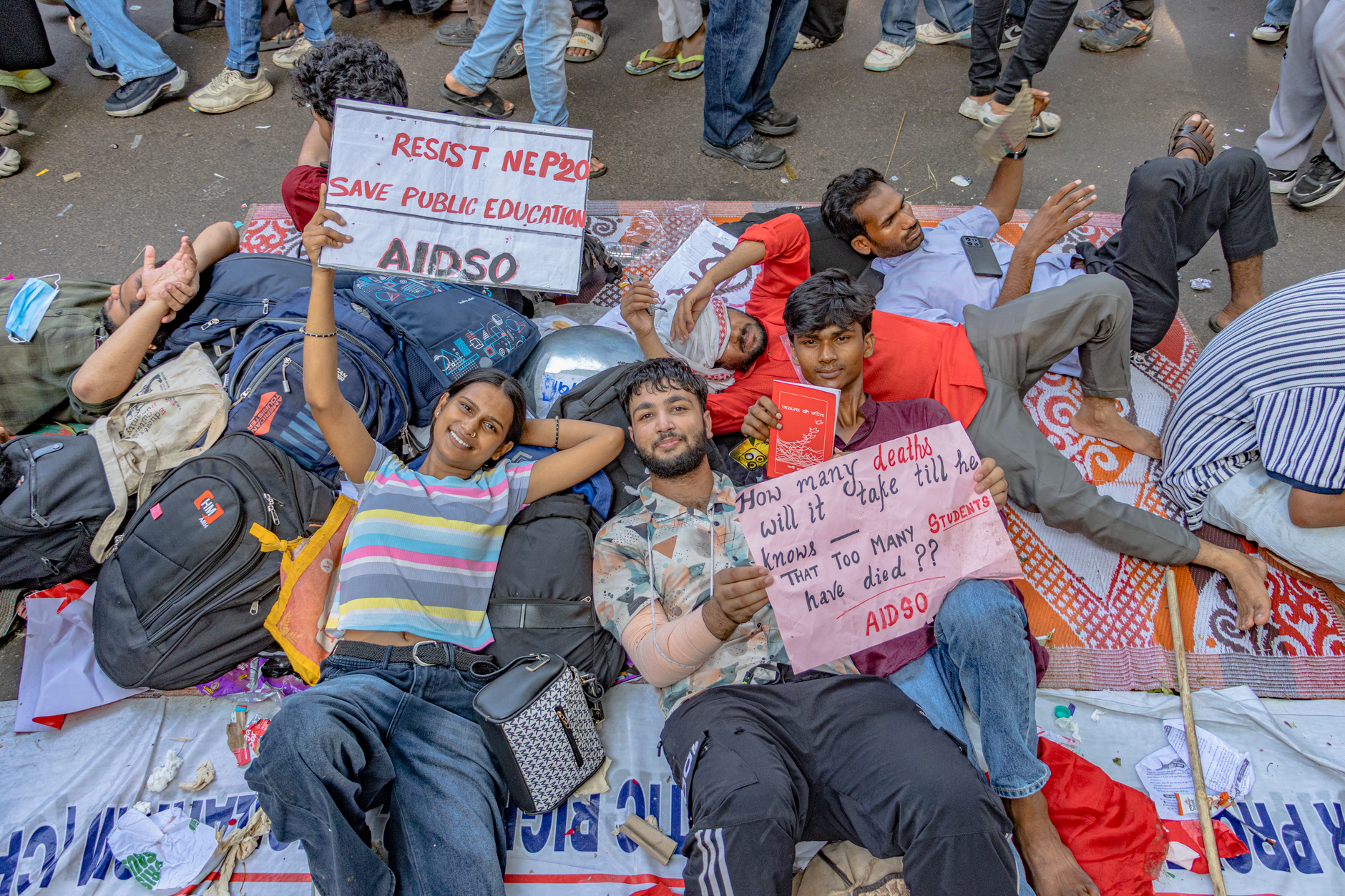
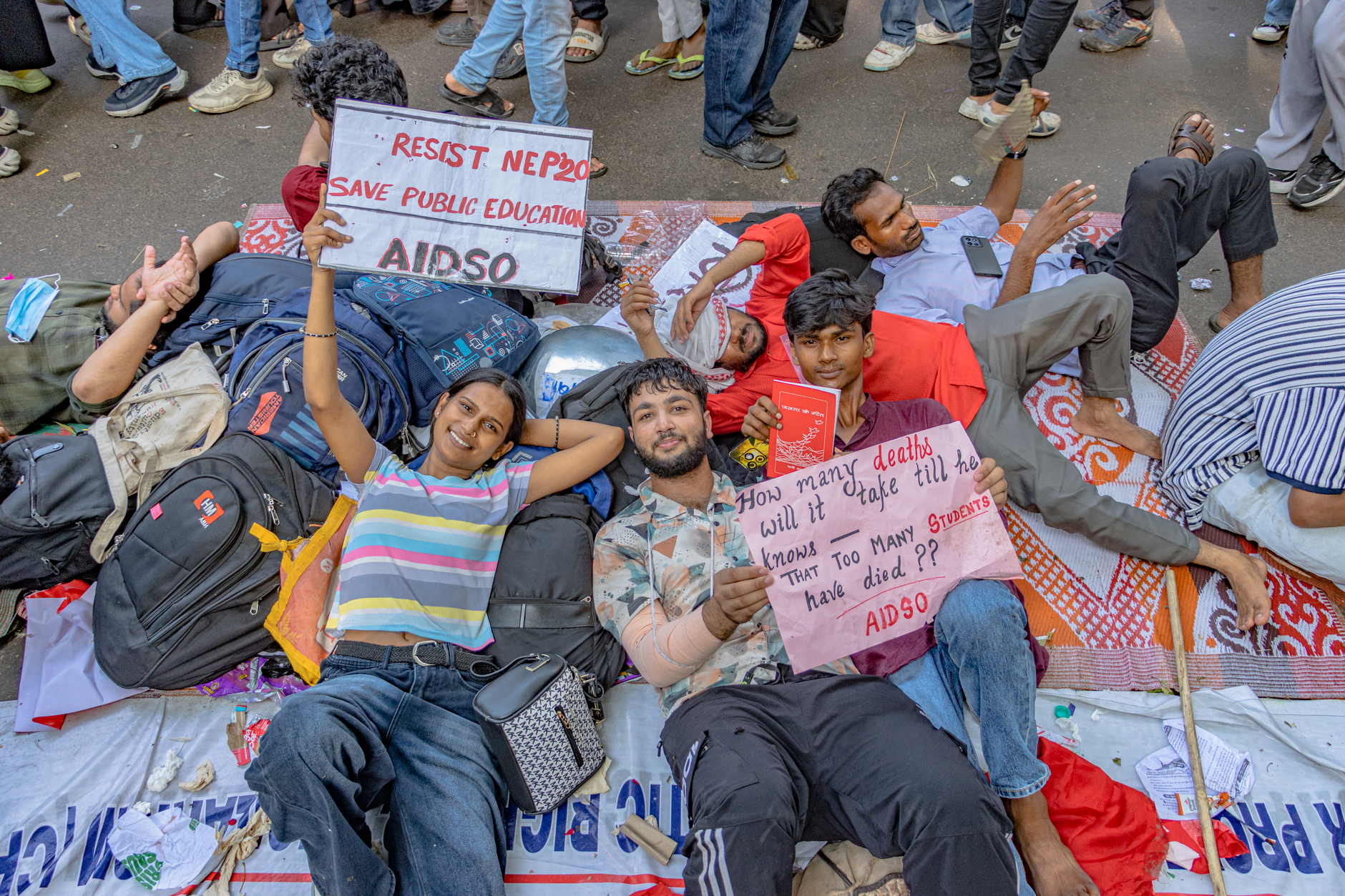
Student movements in India have historically played a pivotal role in shaping educational policy and bringing about administrative changes. The recent dismissal of an education minister following sustained protests marks a significant victory for student activists, but also raises important questions about what comes next for the movement and whether this represents genuine reform or merely a symbolic gesture.
The Power of Student Activism in India
India has a long tradition of student-led movements that have successfully challenged authority and demanded accountability. From the pre-independence era to contemporary times, students have mobilized around issues ranging from fee hikes and administrative corruption to demands for quality education and fair examination systems. The current movement represents a continuation of this legacy, demonstrating that organized student voices remain a formidable force in Indian democracy.
The moniker "Cockroach" movement, whether self-adopted or externally applied, reflects a strategic resilience – the ability to persist, adapt, and survive despite attempts to suppress or ignore student demands. Like the insect it references, such movements have shown remarkable staying power, often outlasting administrative attempts to quash dissent through disciplinary action or dismissive rhetoric.
What Students Are Demanding
Beyond the removal of a single minister, student movements typically coalesce around several core demands that reflect systemic issues within India's education sector. These commonly include improved infrastructure in government schools and colleges, transparent admission processes, affordable education costs, and accountability for administrative decisions that affect student welfare.
Many student groups have also raised concerns about:
- Outdated curricula that fail to prepare students for modern employment markets
- Inadequate mental health support systems on campuses
- Gender safety issues, particularly in hostels and campus facilities
- Corruption in examination systems and credential verification
- Lack of student representation in university governance bodies
- Commercialization of education that prices out underprivileged students
The Risk of Symbolic Victory
While ministerial dismissals may appear to represent decisive action, students and observers often question whether such moves address underlying structural problems or simply serve as political scapegoating. The removal of one administrator does not automatically translate into policy reform, increased education budgets, or improved classroom experiences.
History shows that governments sometimes use high-profile dismissals as pressure-release valves, hoping that removing a controversial figure will satisfy protesters while avoiding more costly or politically difficult systemic reforms. For student movements, the challenge lies in maintaining momentum and ensuring that leadership changes result in tangible improvements rather than cosmetic adjustments.
Sustaining Momentum After Victory
Student movements face a critical juncture after achieving visible wins like ministerial dismissals. The initial euphoria can give way to fragmentation as different factions prioritize different next steps, or as academic pressures pull students back to their studies. Successful movements typically navigate this phase by establishing clear next-stage demands, creating formal structures for continued advocacy, and building alliances with faculty, parents, and civil society organizations.
Documentation of promises made by authorities becomes crucial. Students often create tracking mechanisms to monitor whether commitments to reform are actually implemented or quietly shelved once media attention wanes. Social media has empowered student groups to maintain public pressure and share information across campuses, creating networks that are harder to isolate or suppress.
The Broader Context of Education Reform
India's education system serves hundreds of millions of students across vastly different socioeconomic contexts, from elite urban institutions to under-resourced rural schools. Any meaningful reform must address this diversity while tackling chronic underfunding, teacher shortages, and quality disparities between private and public institutions.
Student movements serve an important democratic function by highlighting these gaps and demanding that education policy reflects student realities rather than bureaucratic convenience. Whether the current movement can leverage ministerial dismissal into broader reform depends largely on maintaining organized pressure, articulating specific policy alternatives, and building coalitions that extend beyond campus boundaries.
Looking Forward
The trajectory of student movements often depends on how authorities respond to their demands. Constructive engagement, genuine policy reform, and meaningful student participation in governance can channel activist energy into institutional improvement. Conversely, symbolic gestures followed by business-as-usual approaches risk radicalizing movements or creating cycles of periodic eruptions followed by temporary suppression.
For India's current student movement, the period following ministerial dismissal will determine whether this represents a turning point toward systemic reform or merely another chapter in ongoing struggles for educational justice and accountability.