
The National Eligibility cum Entrance Test (NEET) paper leak controversy has placed India's Education Minister Dharmendra Pradhan at the center of a political storm. Despite growing calls for his resignation from opposition parties and student groups, the minister proceeded with a scheduled meeting with NEET toppers, a move that has drawn both criticism and support from different quarters.
The NEET Paper Leak Scandal
The NEET-UG examination, which serves as the gateway for millions of aspiring medical students across India, has been marred by allegations of paper leaks and irregularities. The controversy erupted when several students and their families reported suspicious activities surrounding the conduct of the exam, including alleged question paper leaks in certain centers and irregularities in the distribution of examination materials.
The scandal has affected the futures of approximately 24 lakh students who appeared for the examination, with many demanding a re-test to ensure fairness and transparency. Several cases have been registered across different states, and investigating agencies have been tasked with uncovering the full extent of the breach.
Opposition Demands and Political Pressure
Opposition parties have been relentless in their criticism of the Education Ministry's handling of the situation. Leaders from various political parties have demanded Minister Pradhan's immediate resignation, arguing that such a massive failure in conducting a crucial national examination reflects poorly on the ministry's oversight and accountability mechanisms.
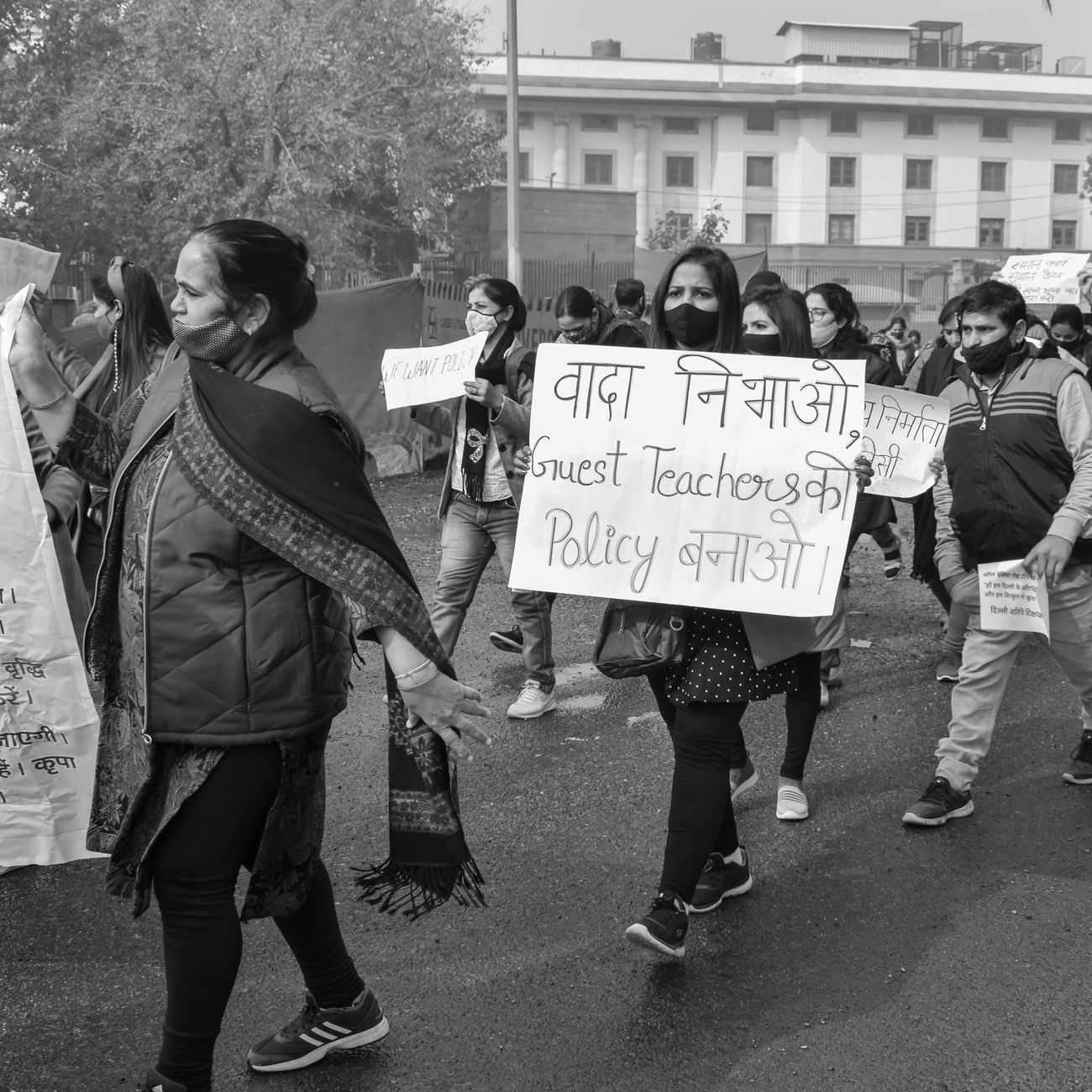
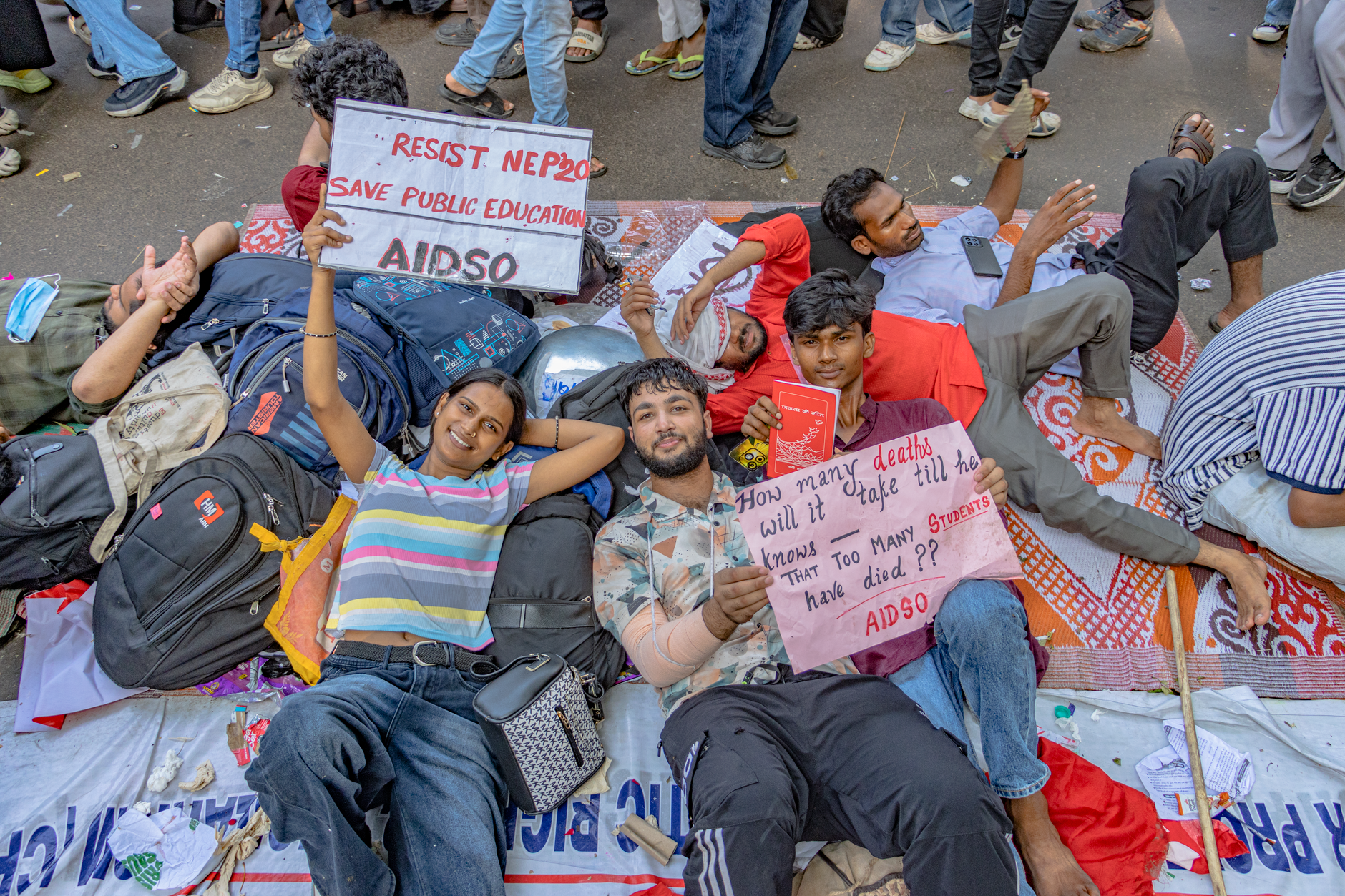
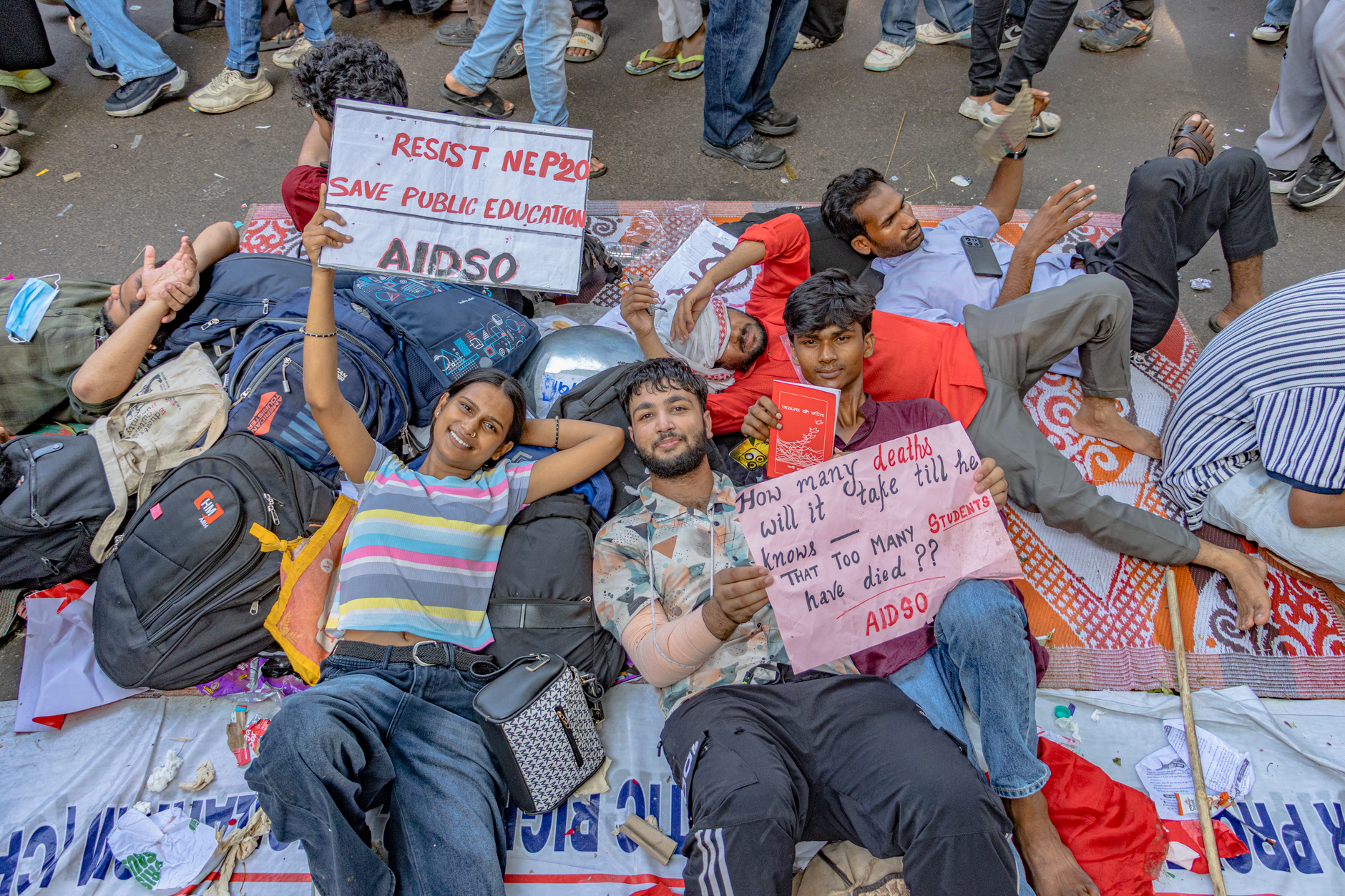
Student organizations and parents' groups have also joined the chorus, staging protests in several cities and demanding action against those responsible for the lapses. The controversy has raised fundamental questions about the sanctity of competitive examinations in India and the National Testing Agency's (NTA) ability to conduct fair and secure tests.
The Minister's Response
During his meeting with NEET toppers, Minister Pradhan reportedly emphasized that the achievements of meritorious students should not be overshadowed by allegations of misconduct by a few individuals. He maintained that the government remains committed to ensuring fair examination processes and that strict action would be taken against anyone found guilty of facilitating the paper leak.
The minister has repeatedly stated that isolated incidents should not be used to discredit the entire examination system or the honest efforts of lakhs of students who prepared diligently for the test. He has also highlighted the steps being taken to strengthen the examination infrastructure and prevent future occurrences of such breaches.
Implications for India's Education System
The NEET controversy has broader implications for India's competitive examination ecosystem. It raises critical questions about the security protocols employed by examination conducting bodies, the need for technological upgrades in test administration, and the importance of maintaining public trust in the education system.
- The incident has highlighted vulnerabilities in the current examination system that need immediate attention
- It has sparked discussions about the feasibility of conducting a single nationwide examination for such a large number of candidates
- The controversy has brought focus to the need for robust digital security measures and encrypted question papers
- It has raised concerns about the psychological impact on students who prepared honestly for the examination
The Path Forward
The government faces the dual challenge of investigating the current allegations thoroughly while also restoring confidence in the examination system. The NTA has been under scrutiny for various examination-related controversies in recent years, and this incident has intensified calls for comprehensive reforms.
Several experts have suggested measures such as decentralized question paper setting, enhanced security protocols, real-time monitoring systems, and severe penalties for those involved in examination malpractices. The implementation of advanced technologies like blockchain for question paper distribution and AI-based surveillance systems has also been proposed.
The resolution of this controversy will likely have long-term implications for how competitive examinations are conducted in India and the accountability standards expected from government bodies responsible for education.
This article is intended for general informational purposes only and represents the current state of a developing situation. Readers should refer to official government announcements and credible news sources for the most up-to-date information regarding the NEET examination controversy and related developments.