
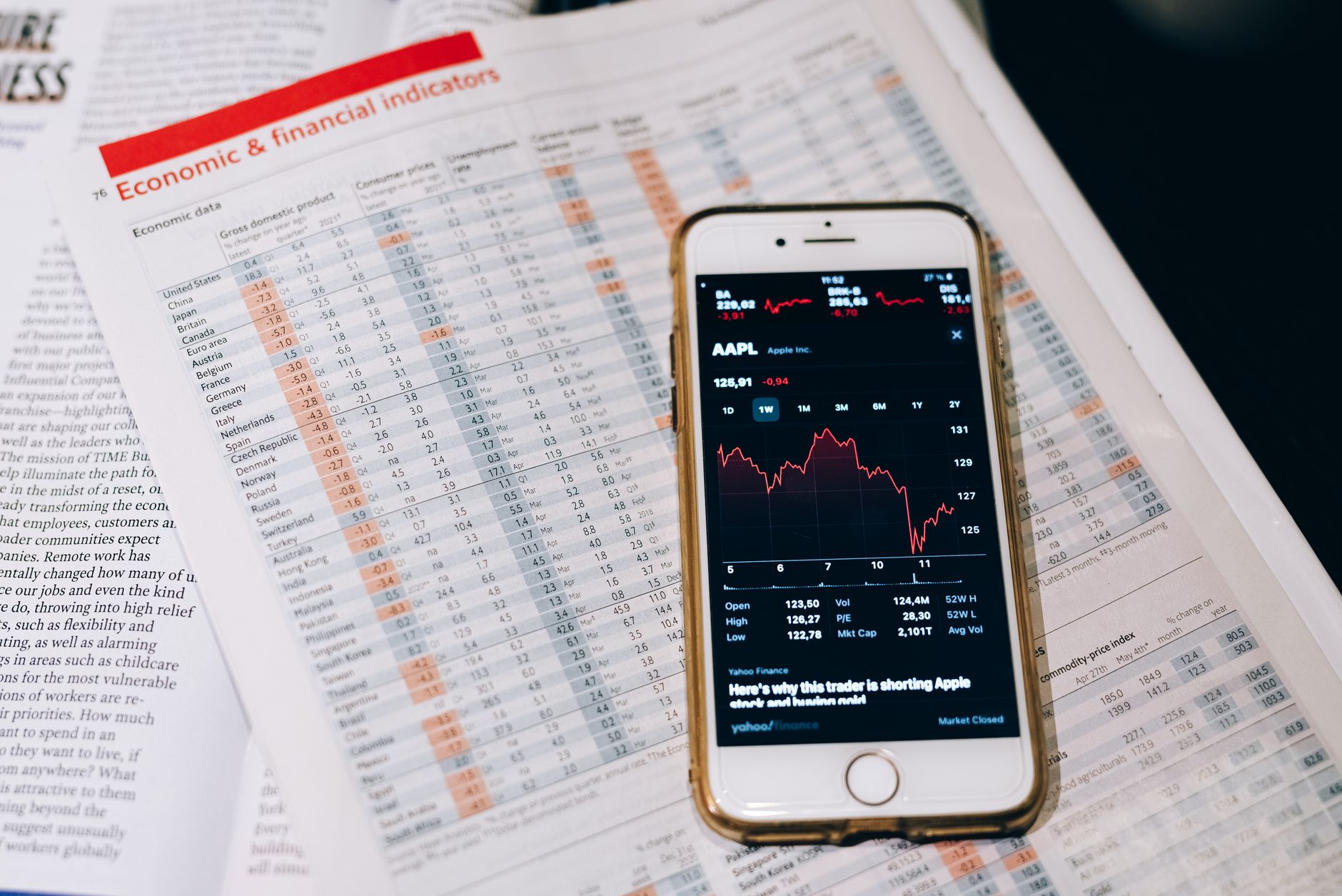
The concept of a "world balance sheet" has gained attention among economists and investors as they attempt to understand the aggregate financial position of all nations, corporations, and individuals combined. This global perspective reveals how interconnected our financial systems have become and highlights emerging trends that affect investment decisions across borders.
What Is the World's Balance Sheet
The world's balance sheet represents the sum total of all assets and liabilities held globally. In theory, global assets should equal global liabilities since every asset owned by one party represents a liability or equity claim by another. However, statistical discrepancies often arise due to inconsistent reporting standards, tax havens, and differences in how countries measure economic activity.
Global assets include physical capital like real estate and infrastructure, financial instruments such as stocks and bonds, and intangible assets including intellectual property and brand value. On the liability side, we find sovereign debt, corporate borrowings, household mortgages, and pension obligations. Understanding this balance sheet helps investors identify where capital is concentrated and where vulnerabilities may exist.
Key Trends Reshaping Global Finance
Several significant shifts are currently transforming the world's financial landscape. Central banks in developed economies have expanded their balance sheets dramatically over the past fifteen years through quantitative easing programs. This has pushed interest rates to historically low levels and inflated asset prices across multiple classes.
Meanwhile, emerging markets have accumulated substantial foreign exchange reserves while also taking on increased debt loads. China's rise as a creditor nation has fundamentally altered global capital flows, with Chinese institutions now holding significant stakes in infrastructure projects and companies worldwide.
The growth of passive investing through index funds has concentrated ownership in ways that affect corporate governance and market dynamics. A small number of asset managers now control voting rights over substantial portions of publicly traded companies.
The Invisible CAPTCHA Revolution in Finance
Technology is transforming not just how we invest but how we access financial systems securely. The evolution from traditional CAPTCHA tests—those distorted letters we type to prove we're human—to invisible verification systems represents a broader shift in financial security infrastructure.
Modern invisible CAPTCHA systems analyze user behavior patterns, device characteristics, and interaction methods without requiring explicit challenges. Financial institutions are adopting similar technologies to combat fraud while streamlining user experiences. These systems track mouse movements, typing patterns, and navigation behaviors to distinguish legitimate users from automated bots attempting fraudulent transactions.
For investors, this technology improves security for online trading platforms and digital banking while reducing friction in executing transactions. However, it also raises questions about data privacy and the extent to which financial institutions monitor user behavior.
Investment Implications
Understanding these macro trends helps investors position portfolios appropriately. The expanded balance sheets of central banks suggest that traditional relationships between interest rates and inflation may remain disrupted for years. This environment favors assets that can maintain value during periods of currency depreciation.
The concentration of passive investment flows creates opportunities in less-followed markets and securities where active management may still add value. Smaller companies and emerging markets with lower index representation may offer better risk-adjusted returns.
From a risk perspective, the world's growing debt burden—both sovereign and private—creates vulnerability to interest rate shocks. Investors should consider how portfolio holdings would perform if borrowing costs rise unexpectedly or if a major debtor faces repayment challenges.
Technology and Market Access
The integration of advanced security technologies into financial platforms is democratizing investment access while protecting market integrity. Investors can now access global markets from mobile devices with security that once required dedicated terminals and physical presence.
However, this technological evolution also creates new risks. Cybersecurity threats continue to grow in sophistication, and reliance on complex algorithms for both security and investment decisions introduces potential points of failure that previous generations of investors never faced.
The world's financial balance sheet will continue evolving as technological innovation, demographic shifts, and policy decisions reshape where capital flows and how it's protected. Successful investors must stay informed about both macroeconomic trends and the technological infrastructure underlying modern markets.
This article provides general information for educational purposes only and should not be considered specific investment advice. Consult with qualified financial professionals before making investment decisions based on your individual circumstances, risk tolerance, and financial goals.