
The appointment of Pralhad Joshi as India's Education Minister marks a significant shift in the country's educational leadership. As one of the Bharatiya Janata Party's seasoned politicians, Joshi brings decades of political experience to one of the most crucial ministries in the Indian government.
Political Background and Career
Pralhad Joshi is a long-standing member of the BJP who has represented the Dharwad constituency in Karnataka in the Lok Sabha. His political career spans several decades, during which he has held various important positions within the party and the government. Before taking charge of the education portfolio, Joshi served as the Minister for Coal, Mines, and Parliamentary Affairs, demonstrating his ability to handle multiple complex ministries simultaneously.
Born and raised in Karnataka, Joshi has deep roots in the state's political landscape. He is known for his administrative capabilities and his ability to navigate the complexities of parliamentary procedure, skills he honed during his tenure as Minister of Parliamentary Affairs.
Previous Ministerial Experience
Joshi's track record in government includes significant achievements in the coal and mining sectors. During his tenure, he oversaw crucial policy reforms aimed at increasing domestic coal production and streamlining mining regulations. His experience in managing resource-heavy ministries could prove valuable in addressing the infrastructure and resource allocation challenges facing India's education sector.
His role in Parliamentary Affairs also gave him extensive experience in consensus-building and navigating legislative processes, skills that will be essential for implementing educational reforms that often require parliamentary approval and cross-party support.
Challenges Facing the Education Ministry
The Education Minister's role in India is particularly challenging given the diverse needs of the country's vast student population. Some key issues that Joshi will need to address include:
- Implementation and refinement of the National Education Policy 2020
- Bridging the digital divide exposed by the COVID-19 pandemic
- Improving quality of education in government schools
- Enhancing higher education infrastructure and research capabilities
- Addressing unemployment among educated youth
- Promoting skill development and vocational training
- Ensuring equitable access to education across rural and urban areas
The National Education Policy Context
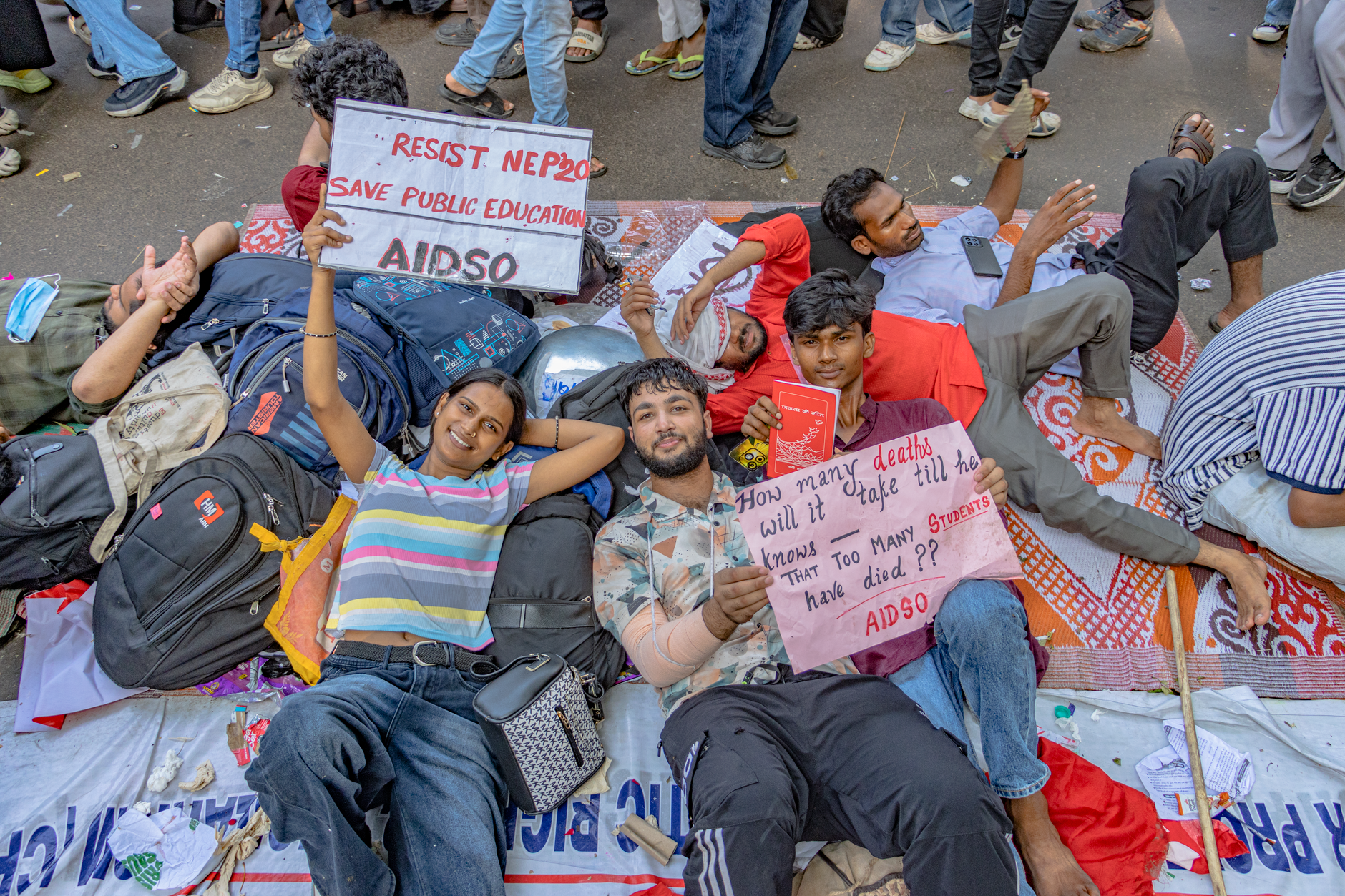
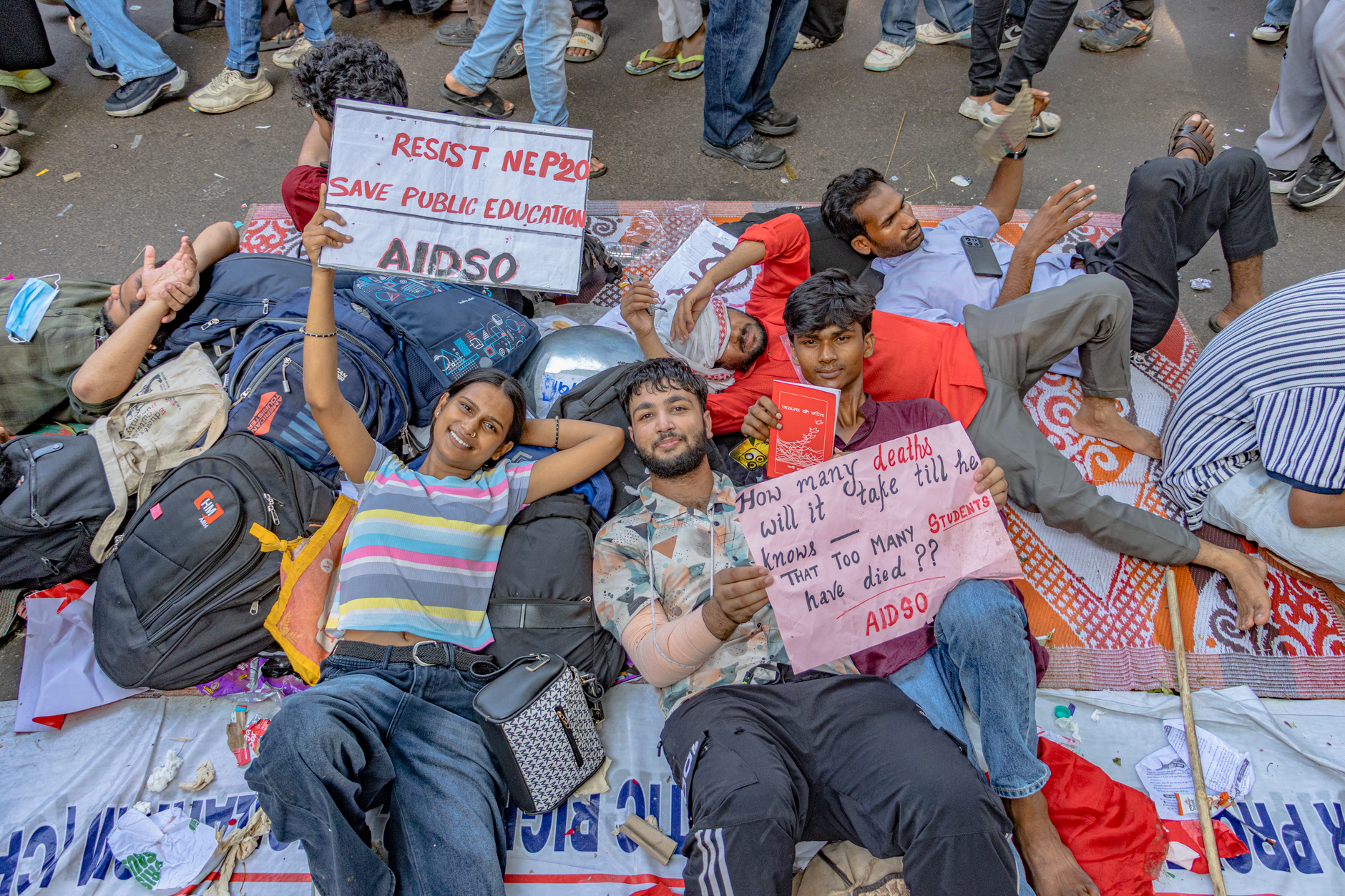
Joshi takes charge at a crucial time when India is in the midst of implementing its National Education Policy 2020, the first major overhaul of the country's education framework in decades. The policy envisions significant changes including restructuring of school education, multidisciplinary undergraduate programs, and greater emphasis on vocational training and skill development.
The success of this ambitious policy depends heavily on effective implementation, adequate funding, and coordination between central and state governments. As the new minister, Joshi will need to ensure that the policy's vision translates into tangible improvements in classrooms across the country.
Focus Areas and Expectations
Given India's position as a young nation with a median age under 30, education policy has far-reaching implications for economic growth, social mobility, and international competitiveness. Stakeholders in the education sector will be watching closely to see whether Joshi prioritizes:
- Increased budget allocation for education
- Technology integration in teaching and learning
- Teacher training and capacity building
- Research and innovation in higher education institutions
- Industry-academia partnerships for better employability
- Strengthening of regulatory frameworks for private education
Karnataka Connection and Regional Perspective
Joshi's Karnataka background is noteworthy because the state has been a leader in several educational initiatives, particularly in technology education and skill development. His familiarity with Karnataka's educational landscape, including its successful IT education model and innovative government school programs, could inform national policy.
What This Means for Students and Educational Institutions
For students, parents, and educational institutions, a change in education minister often brings both uncertainty and hope. While policy continuity is important for long-term planning, new leadership can also bring fresh perspectives and renewed focus on neglected areas.
Educational institutions will be looking for clarity on regulatory matters, funding commitments, and the government's vision for higher education autonomy. The startup and skill development ecosystem will be interested in how the ministry plans to align educational outcomes with industry needs.
As Pralhad Joshi settles into his new role, his experience in administration and governance will be tested against the unique challenges of India's education sector. The coming months will reveal his priorities and approach to shaping the future of education for the world's most populous nation.