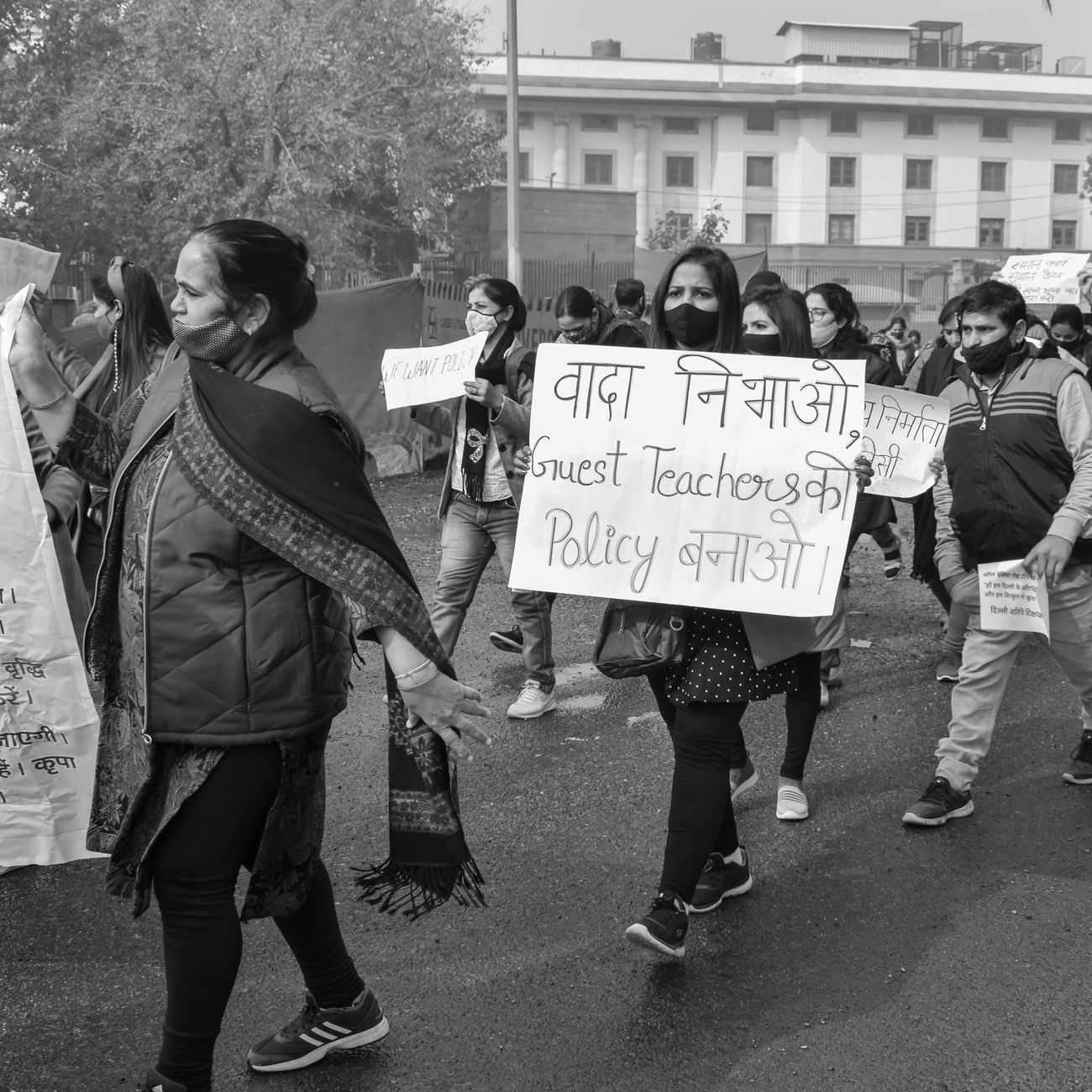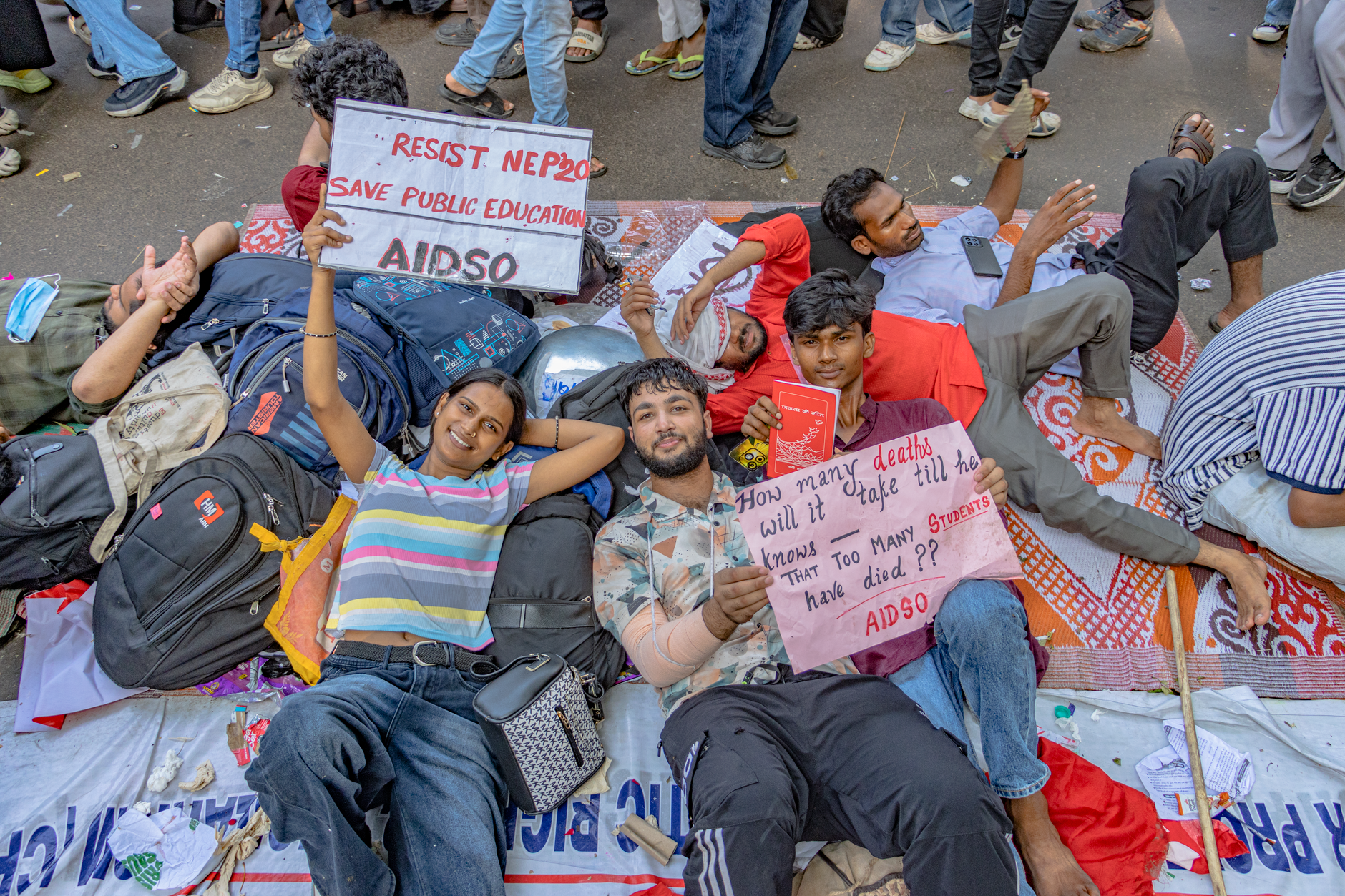
India's education system is undergoing significant transformation through new reforms that extend far beyond immediate responses to student agitation. While protests often trigger policy reviews, the current wave of changes reflects deeper structural considerations that have been in development for years, addressing systemic challenges that have long plagued Indian education.
The Broader Vision Behind Reform
The latest education reforms emerge from comprehensive policy frameworks designed to modernize India's approach to learning and skill development. These initiatives focus on creating a more holistic, flexible, and globally competitive education ecosystem that prepares students for 21st-century challenges. Rather than being reactive measures, they represent proactive attempts to align India's educational infrastructure with contemporary needs.
The reforms encompass changes across multiple levels, from foundational education to higher studies, emphasizing experiential learning, critical thinking, and multidisciplinary approaches over rote memorization. This philosophical shift acknowledges that traditional examination-centric models have created graduates who often lack practical skills and creative problem-solving abilities.
Key Components of the Transformation
The new reforms introduce several fundamental changes to how education is delivered and evaluated in India. Assessment methods are being redesigned to reduce the emphasis on high-stakes year-end examinations, instead incorporating continuous evaluation and competency-based progression. This approach aims to reduce student stress while providing more accurate measures of learning outcomes.
Curriculum flexibility represents another cornerstone of these changes. Students are being granted greater freedom to choose subjects across disciplines, breaking down rigid boundaries between arts, science, and commerce streams. This multidisciplinary framework allows learners to pursue diverse interests and develop broader skill sets rather than being confined to narrow specializations from an early age.
- Multiple entry and exit points in higher education programs
- Credit transfer mechanisms between institutions
- Vocational education integration with mainstream academics
- Enhanced focus on mother-tongue instruction in early years
- Technology integration for improved access and quality
Addressing Long-Standing Systemic Issues
These reforms tackle persistent problems that have hindered educational quality and equity in India. The shortage of qualified teachers, inadequate infrastructure in rural areas, and disparities between urban and rural educational outcomes have been acknowledged as priorities requiring sustained attention and resource allocation.
Institutional autonomy is being expanded, granting colleges and universities greater freedom in curriculum design, faculty recruitment, and administrative decisions. This decentralization aims to foster innovation and responsiveness to local needs while maintaining quality standards through robust accreditation frameworks.
The Role of Technology and Innovation
Digital transformation forms an integral part of the reform agenda, accelerating particularly following pandemic-related disruptions. Online learning platforms, digital repositories of educational content, and technology-enabled assessment tools are being developed to democratize access to quality education across geographical boundaries.
The emphasis on research and development within higher education institutions represents another significant shift. Increased funding allocations for research infrastructure, industry-academia collaborations, and innovation hubs aim to position Indian institutions as knowledge creators rather than merely knowledge consumers.
Implementation Challenges and Timeline
Despite ambitious objectives, implementing these reforms faces considerable obstacles. Financial constraints, resistance to change from established systems, and the sheer scale of India's education sector complicate rapid transformation. The reforms envision phased implementation over multiple years, requiring sustained political will and resource commitment.
Teacher training and capacity building emerge as critical prerequisites for successful reform implementation. Educators need support in adapting to new pedagogical methods, technology integration, and competency-based assessment frameworks. Without adequate preparation, even well-designed reforms risk becoming mere policy documents.
Beyond Protest Response
While student protests highlighting issues like examination stress, unemployment among graduates, and demands for improved facilities have certainly contributed to policy urgency, the reforms reflect deeper understanding of global educational trends and India's developmental needs. They acknowledge that education must evolve beyond credential provision toward genuine capability building.
The reforms recognize India's demographic dividend requires an education system that produces not just degree holders but skilled, adaptable, and innovative citizens capable of driving economic growth and social progress. This vision extends beyond addressing immediate grievances to fundamentally reimagining what Indian education should achieve.
Success will ultimately depend on consistent implementation, adequate resource allocation, and continuous monitoring of outcomes. The reforms represent an important step toward modernizing Indian education, but their true impact will only become evident through sustained effort over the coming years as they move from policy frameworks to classroom realities.