The World Travel & Tourism Council (WTTC), a global authority representing the private travel and tourism sector, has issued recommendations for India to accelerate its tourism growth through comprehensive visa reforms and increased investment in tourism infrastructure. These calls come at a time when India is positioning itself as a major global tourism destination while recovering from pandemic-related disruptions.
The Case for Visa Simplification
India's current visa system has long been identified as a barrier to tourism growth. While the country introduced e-visa facilities for several nationalities, the process remains more complex compared to competing destinations in Southeast Asia. The WTTC argues that lengthy processing times, documentation requirements, and restrictions on visa-on-arrival create friction for potential tourists who may opt for destinations with simpler entry procedures.
Countries like Thailand, Indonesia, and Vietnam have demonstrated how liberal visa policies can dramatically increase tourist arrivals. Thailand's visa exemption schemes and Indonesia's expansion of visa-free entry have contributed to their tourism booms. India currently offers e-visas to citizens of over 160 countries, but the application process still requires advance planning and can take several days to process.
The organization recommends expanding visa-free access for more nationalities, implementing genuine visa-on-arrival at major international airports, and reducing the documentation burden for tourist visas. Simplifying group visa applications for tour operators could also encourage more packaged tours to India.
Infrastructure Investment Needs
Beyond visa reforms, the WTTC emphasizes the critical need for infrastructure development to support tourism growth. India's tourism infrastructure varies dramatically between major cities and emerging destinations. While metropolitan areas like Delhi, Mumbai, and Bangalore have international-standard facilities, many culturally significant sites lack adequate tourist amenities.
Key infrastructure gaps include:
- Insufficient hotel capacity in tier-two and tier-three cities with tourism potential
- Limited international connectivity to regional airports
- Inadequate public transportation links to tourist sites
- Shortage of trained hospitality professionals
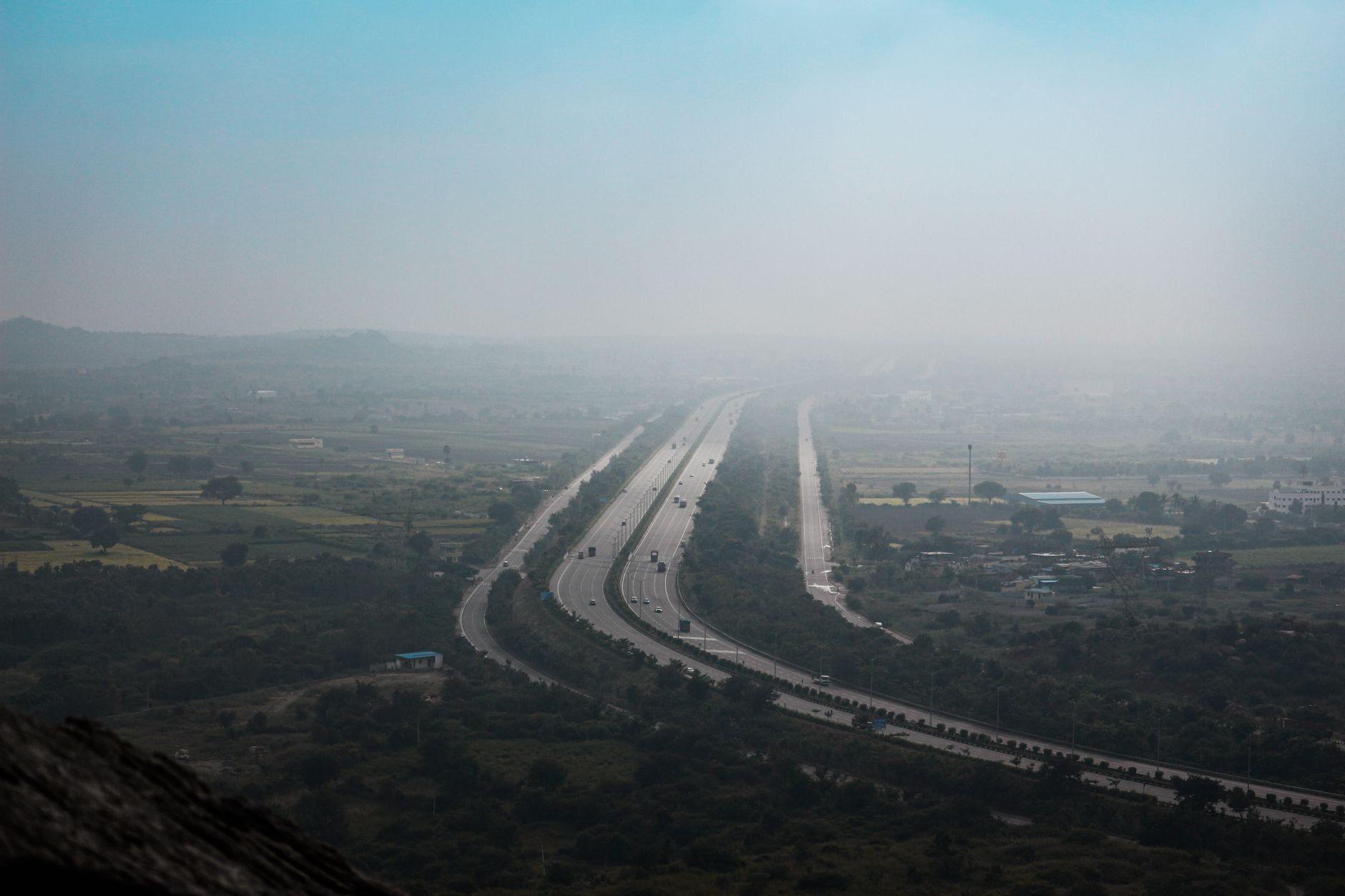
- Poor road infrastructure connecting tourist circuits
- Limited multilingual signage and tourist information centers
The WTTC suggests that both public and private sector investment is necessary to bridge these gaps. Public-private partnerships could accelerate development of tourism infrastructure while ensuring quality standards.
Economic Potential of Tourism
Tourism represents a significant economic opportunity for India. The sector contributes substantially to GDP and employment, particularly in states like Goa, Rajasthan, Kerala, and Himachal Pradesh. However, India captures a relatively small share of global tourist arrivals compared to its cultural wealth and geographic diversity.
Increased tourism generates employment across multiple sectors, from hospitality and transportation to handicrafts and entertainment. The multiplier effect of tourism spending benefits local economies, particularly in rural areas where alternative employment opportunities may be limited. Heritage tourism, wellness tourism, adventure tourism, and medical tourism represent high-value segments where India has competitive advantages.
Competitive Regional Landscape
India faces stiff competition from neighboring countries for tourist dollars. China, before its recent shift in tourism policy, was investing heavily in tourism infrastructure. Southeast Asian nations have consistently prioritized tourism through coordinated marketing, infrastructure development, and traveler-friendly policies.
The WTTC notes that India needs a coordinated national tourism strategy that aligns central and state government efforts. Marketing India as a destination requires consistent messaging, improved digital presence, and participation in international tourism fairs and promotional activities.
Sustainability Considerations
Any push for increased tourism must balance growth with sustainability. Popular destinations like Goa, Ladakh, and certain Himalayan regions already face overtourism pressures. The WTTC's recommendations implicitly require developing lesser-known destinations to distribute tourist flows more evenly and protect sensitive ecosystems and heritage sites.
Sustainable tourism development includes waste management systems, environmental protection measures, and community involvement in tourism planning. India's diverse geography offers opportunities to develop new tourism circuits that can absorb visitor growth without overwhelming existing hotspots.
Implementation Challenges
Implementing these reforms requires coordination across multiple government ministries, including Home Affairs, Tourism, Civil Aviation, and Finance. Visa policy involves security considerations that must be balanced with economic benefits. Infrastructure development requires sustained funding commitments and efficient project execution.
The WTTC's recommendations provide a roadmap, but success depends on political will, bureaucratic efficiency, and sustained investment over multiple years. The potential rewards—increased foreign exchange earnings, employment generation, and cultural exchange—make tourism development a priority worthy of serious policy attention.