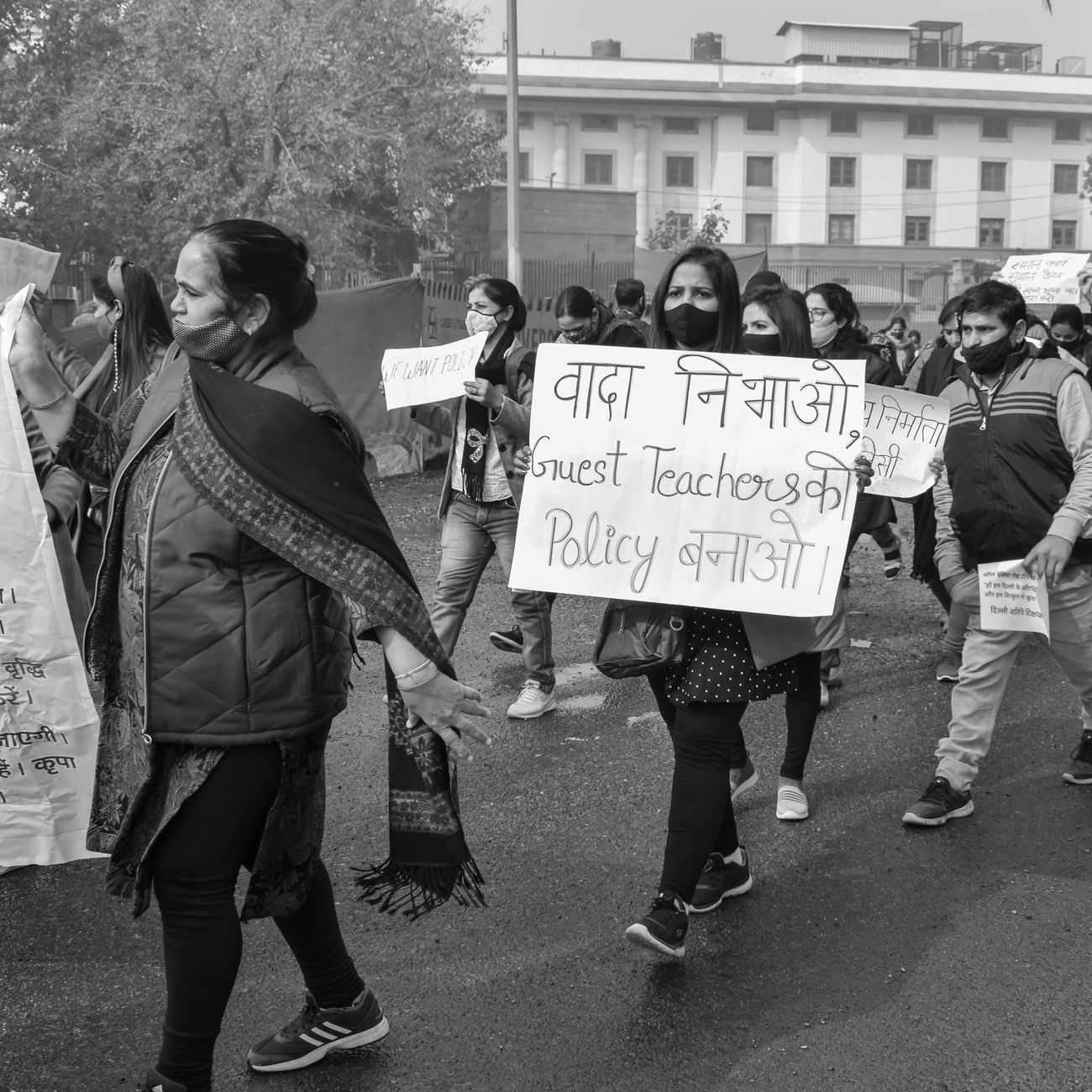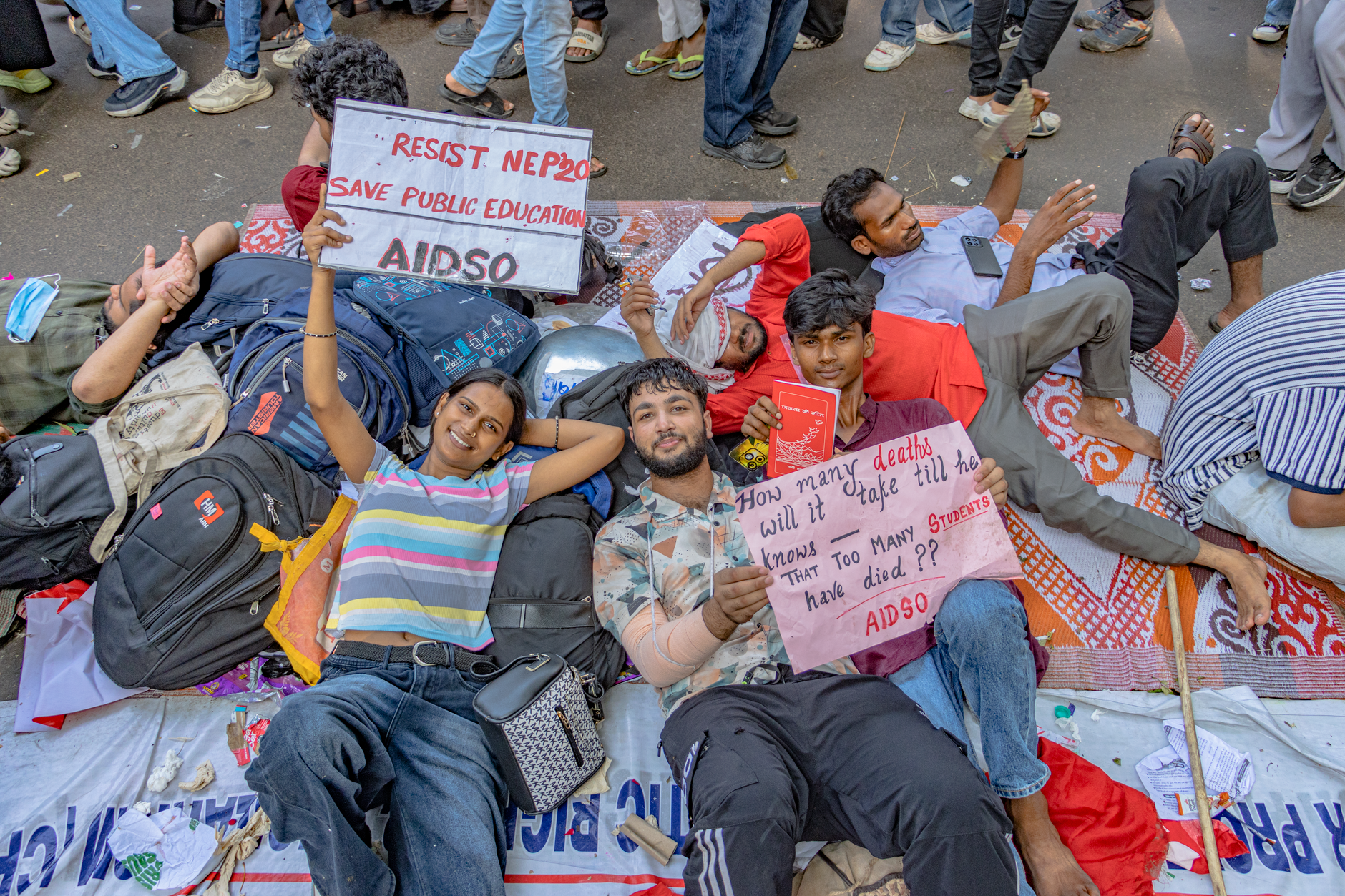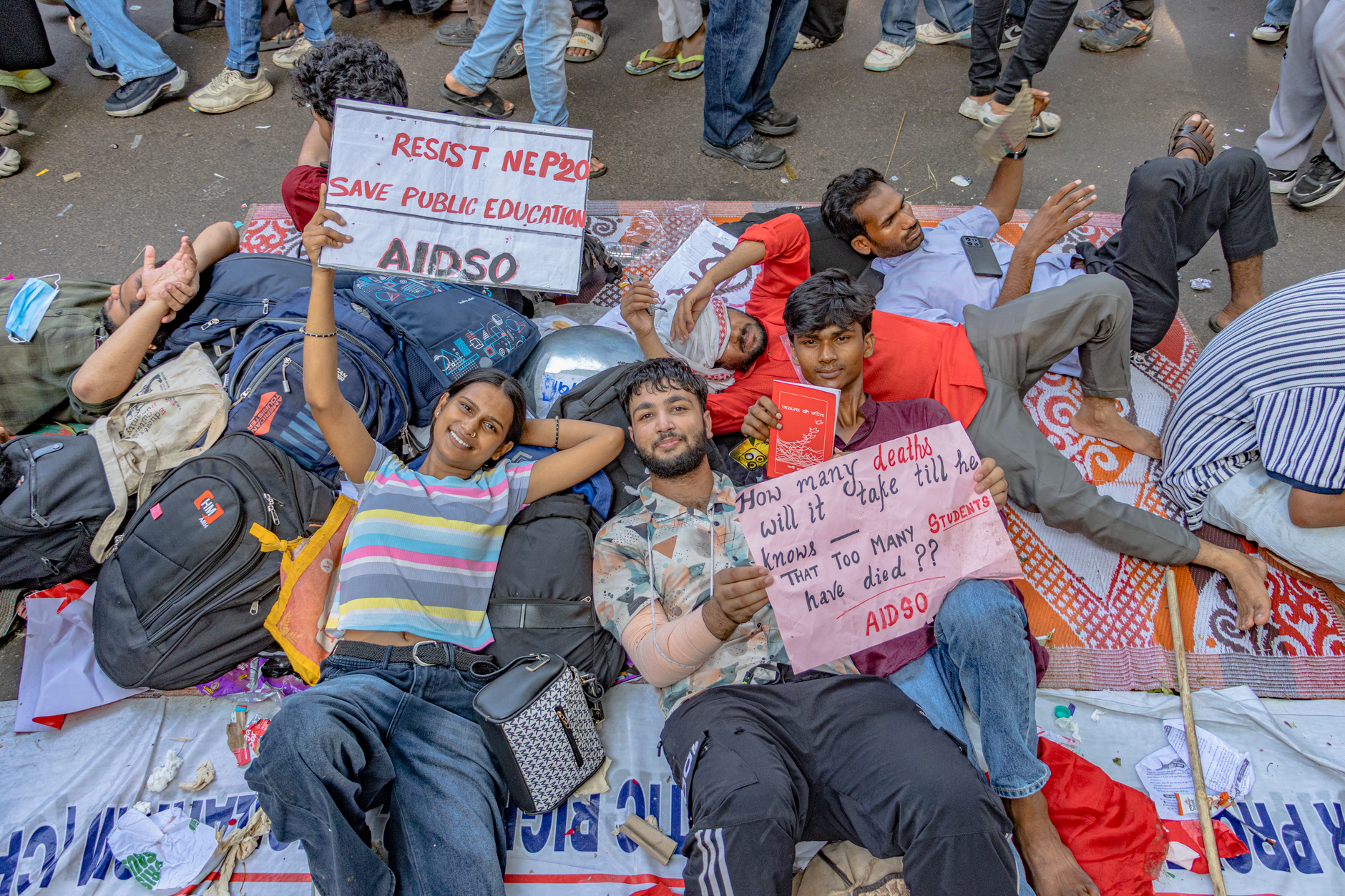
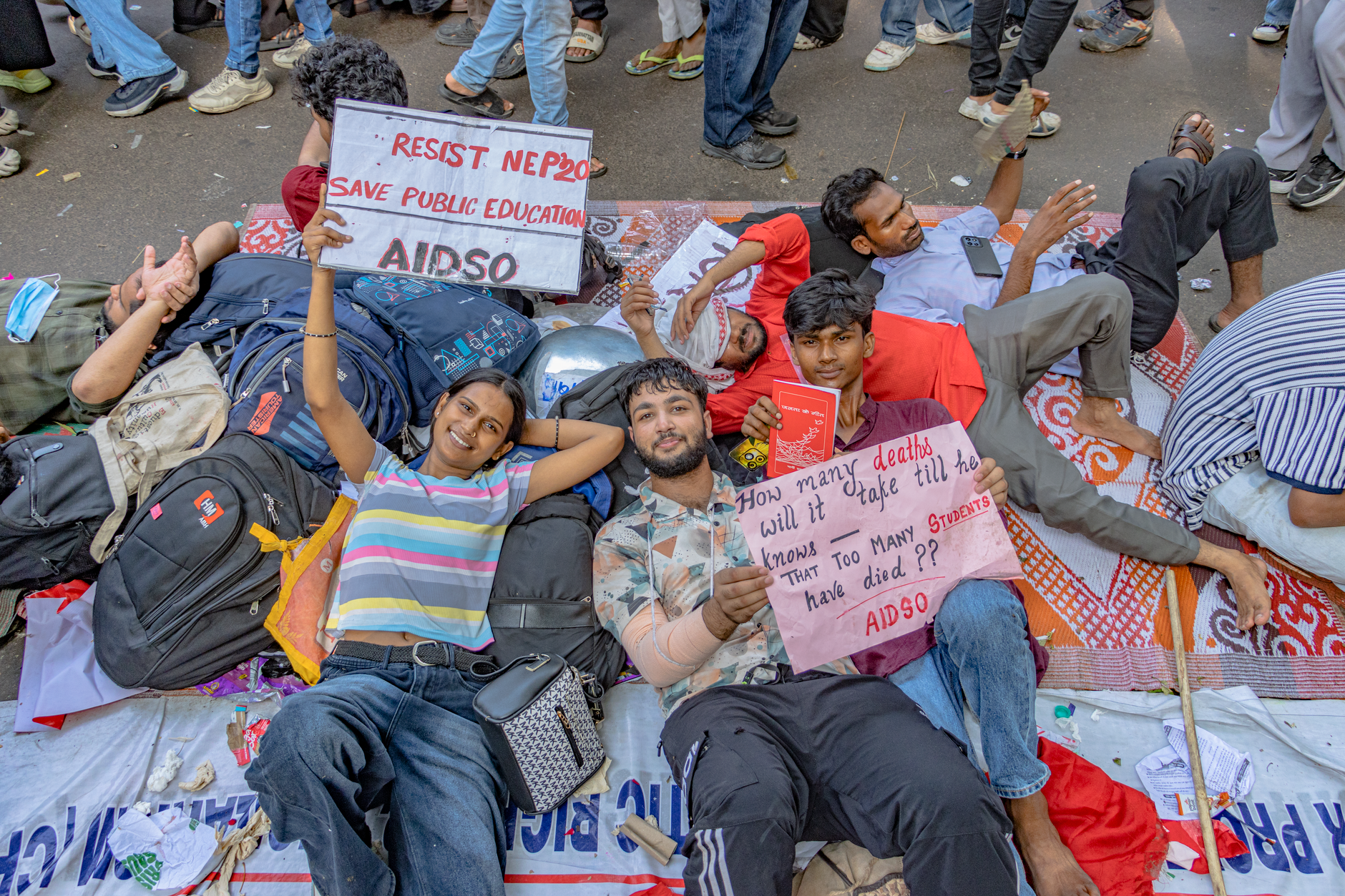
India has witnessed a remarkable display of youth activism as sustained protests led to the resignation of the country's education minister. This development represents one of the most significant instances of student-led political change in recent years, raising important questions about the future of India's education system and the role of youth movements in shaping policy.
The Power of Youth-Led Movements
The successful ousting of a cabinet minister through protests demonstrates the growing political consciousness among India's young population. Student movements have historically played crucial roles in Indian democracy, from the independence struggle to contemporary social justice campaigns. This latest victory shows that when organized effectively, youth voices can challenge even well-entrenched political figures.
The movement's success relied on several key factors including sustained mobilization, clear messaging, strategic use of social media platforms, and the ability to maintain momentum despite potential government pressure. Young protesters leveraged both traditional street demonstrations and digital activism to amplify their concerns and maintain public attention.
Core Grievances Behind the Protests
While specific complaints varied, student movements targeting education ministers typically focus on several recurring themes:
- Inadequate funding for public educational institutions
- Concerns about curriculum changes or ideological interference
- Issues related to examination systems and evaluation methods
- Lack of employment opportunities for graduates
- Rising costs of higher education and limited scholarship availability
- Infrastructure deficiencies in schools and colleges
- Concerns about autonomy of educational institutions
These systemic issues often accumulate over time until a catalyzing incident transforms widespread discontent into organized protest action.
Immediate Political Implications
The minister's departure creates both opportunities and uncertainties. On one hand, it sends a clear message to the government that education policy cannot be formulated without considering student perspectives. Political parties may now be more cautious about education-related decisions, knowing that youth mobilization can have tangible consequences.
On the other hand, simply replacing one minister with another does not guarantee substantive policy changes. The incoming education minister will inherit the same bureaucratic structures, budget constraints, and political pressures that influenced their predecessor's decisions.
What Protesters Want Next
Having achieved their immediate objective, the movement now faces a critical juncture. Successful social movements must transition from protest to policy advocacy if they want lasting impact. This typically involves several steps:
The formation of structured dialogue mechanisms between student representatives and government officials can help translate street demands into actionable policy proposals. Protesters must articulate specific, measurable reforms rather than general grievances.
Maintaining organizational cohesion after the initial victory proves challenging for many movements. Leaders must keep supporters engaged even when media attention wanes and the day-to-day work becomes less dramatic than mass protests.
Building coalitions with other stakeholders including teachers' unions, parent associations, education researchers, and sympathetic politicians can amplify the movement's influence and provide technical expertise for policy formulation.
Challenges Ahead
The path from protest victory to meaningful reform faces several obstacles. Government bureaucracies often resist change, and budgetary constraints limit the scope of possible reforms. Political calculations may lead the government to make symbolic gestures without addressing fundamental issues.
Additionally, youth movements must guard against co-optation by political parties seeking to harness their energy for electoral purposes. Maintaining independence while engaging constructively with political processes requires careful navigation.
Broader Significance for Indian Democracy
This episode reflects broader trends in Indian civil society. Young people increasingly refuse to accept decisions made without their input, particularly on issues directly affecting their futures. The rise of social media has reduced barriers to organization and amplified dissenting voices.
For India's education system, this moment presents an opportunity for genuine reform consultation. Educational policies developed through inclusive dialogue tend to be more sustainable and effective than those imposed from above.
The Road Forward
The success of this youth movement may inspire similar activism on other issues affecting young Indians, from employment policies to environmental concerns. However, each victory must be consolidated through sustained engagement with policy processes, not just street mobilization.
The new education minister's approach to engaging with student concerns will largely determine whether this protest marks a turning point in India's education policy or merely a temporary disruption. For the movement, maintaining pressure while building constructive partnerships represents the most promising path toward achieving substantive, lasting change in India's educational landscape.