
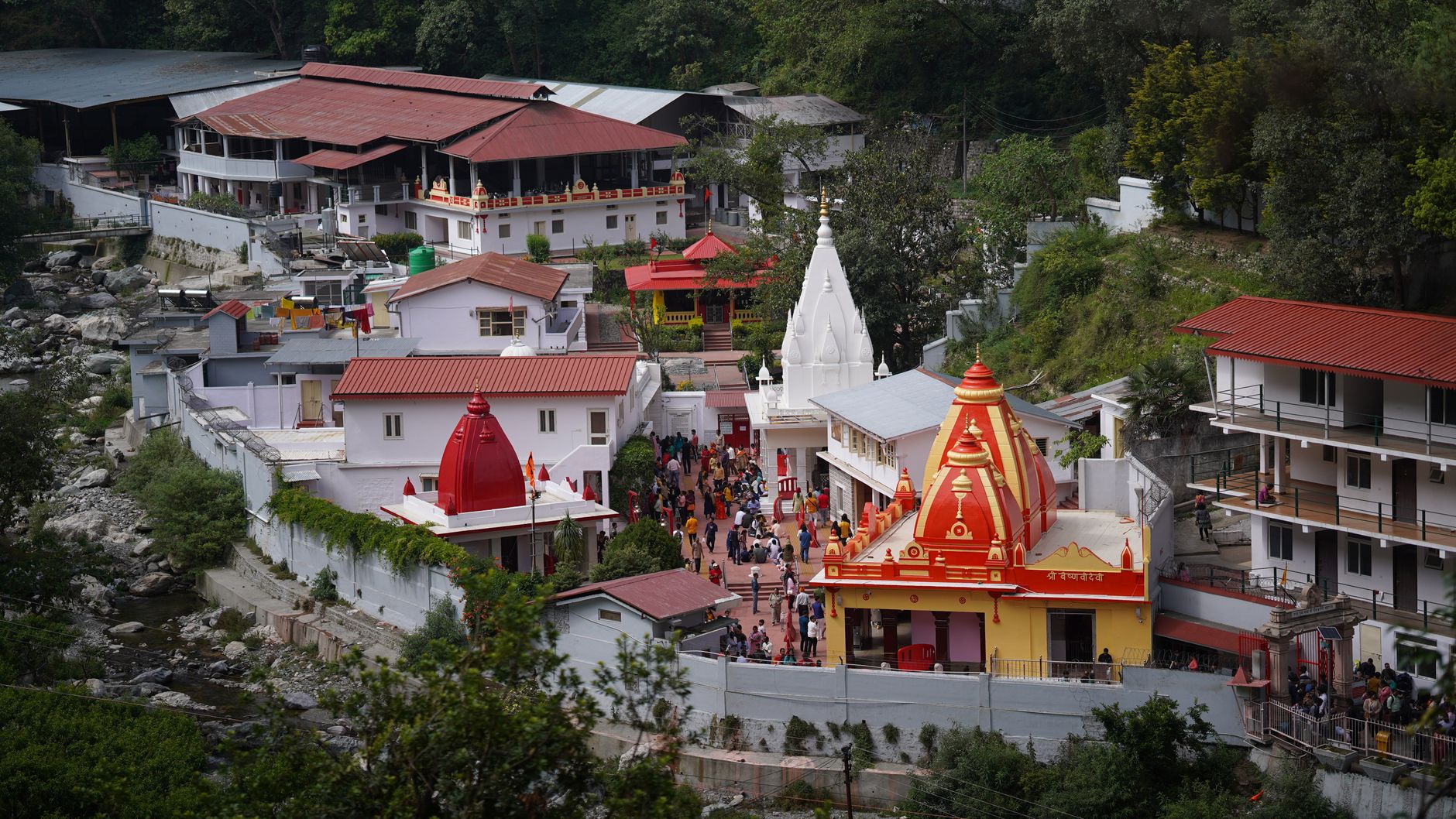
India stands at a pivotal moment where tourism could become a transformative force for economic growth and international prominence. With its rich cultural heritage, diverse landscapes, and growing infrastructure, the country has all the ingredients to become a global tourism powerhouse. However, realizing this potential requires strategic planning, investment, and policy reforms.
The Economic Impact of Tourism
Tourism represents one of the fastest-growing sectors globally, and India has barely scratched the surface of its possibilities. The sector contributes approximately 6-7 percent to India's GDP and employs millions across hospitality, transportation, retail, and related services. When tourism thrives, it creates a multiplier effect throughout the economy, benefiting small businesses, artisans, and local communities.
Countries like Thailand, Spain, and Turkey have demonstrated how tourism can drive national development. Thailand welcomes over 40 million tourists annually, while India receives around 10-12 million foreign tourists despite having far more diverse attractions. Bridging this gap could add billions to the economy and create millions of jobs, particularly for youth in tier-2 and tier-3 cities.
India's Unique Tourism Assets
India possesses tourism assets that few countries can match. From the Himalayan peaks in the north to tropical beaches in the south, from ancient temples and monuments to vibrant festivals, the diversity is staggering. UNESCO World Heritage Sites like the Taj Mahal, Hampi, and Khajuraho draw visitors, while spiritual tourism destinations like Varanasi and Rishikesh attract those seeking wellness and meaning.
Adventure tourism, medical tourism, and MICE (Meetings, Incentives, Conferences, and Exhibitions) sectors are emerging growth areas. India has become a preferred destination for medical procedures due to cost advantages and quality healthcare facilities. The country's yoga and Ayurveda traditions also position it uniquely in the global wellness tourism market, valued at hundreds of billions of dollars.
Infrastructure Challenges and Opportunities
Despite its potential, India faces infrastructure challenges that limit tourism growth. Many tourist destinations lack adequate connectivity, clean accommodations, and basic amenities. Road conditions, traffic congestion, and limited public transportation in tourist areas can diminish visitor experiences.
Recent government initiatives show promise. The development of regional airports has improved connectivity to previously inaccessible destinations. The Swadesh Darshan and PRASHAD schemes focus on developing thematic circuits and pilgrimage sites. Smart city initiatives and cleanliness campaigns like Swachh Bharat have begun improving urban tourism infrastructure.
However, more investment is needed in:
- Last-mile connectivity to tourist sites
- Budget and mid-range accommodation options
- Tourist information centers and multilingual guides
- Digital infrastructure for online bookings and payments
- Safety and security measures, particularly for solo travelers
- Waste management and environmental conservation at tourist spots
Policy Reforms and Ease of Travel
Visa policies significantly impact tourist arrivals. While India has expanded e-visa facilities to over 170 countries, further simplification could boost numbers. Countries offering visa-on-arrival or visa-free access typically see higher tourist inflows. Streamlining procedures and reducing costs would make India more competitive.
Tourism promotion also needs a cohesive national strategy with adequate budgets. The "Incredible India" campaign has built brand awareness, but sustained marketing across diverse international markets is essential. State governments must coordinate with central authorities to present unified messaging while highlighting regional uniqueness.
Sustainable and Responsible Tourism
As India pursues tourism growth, sustainability must remain central. Over-tourism has damaged fragile ecosystems in places like Ladakh and hill stations. Balancing economic benefits with environmental preservation requires carrying capacity assessments, regulated visitor numbers, and community involvement in tourism planning.
Responsible tourism practices should include:
- Promoting off-season travel to distribute tourist pressure
- Encouraging visits to lesser-known destinations
- Supporting local artisans and businesses
- Preserving cultural authenticity while accommodating modern conveniences
- Training tourism sector workers in hospitality and cultural sensitivity
The Path Forward
Tourism can indeed unlock India's journey to new economic milestones, but this requires collective effort from government, private sector, and citizens. Investment in infrastructure, policy reforms, skilled workforce development, and sustainable practices will determine whether India captures its share of the global tourism market.
With international travel rebounding post-pandemic and India's growing global profile, the timing is opportune. By addressing current challenges and leveraging unique strengths, tourism can become a cornerstone of India's development story, creating prosperity while showcasing the nation's incredible diversity to the world.