
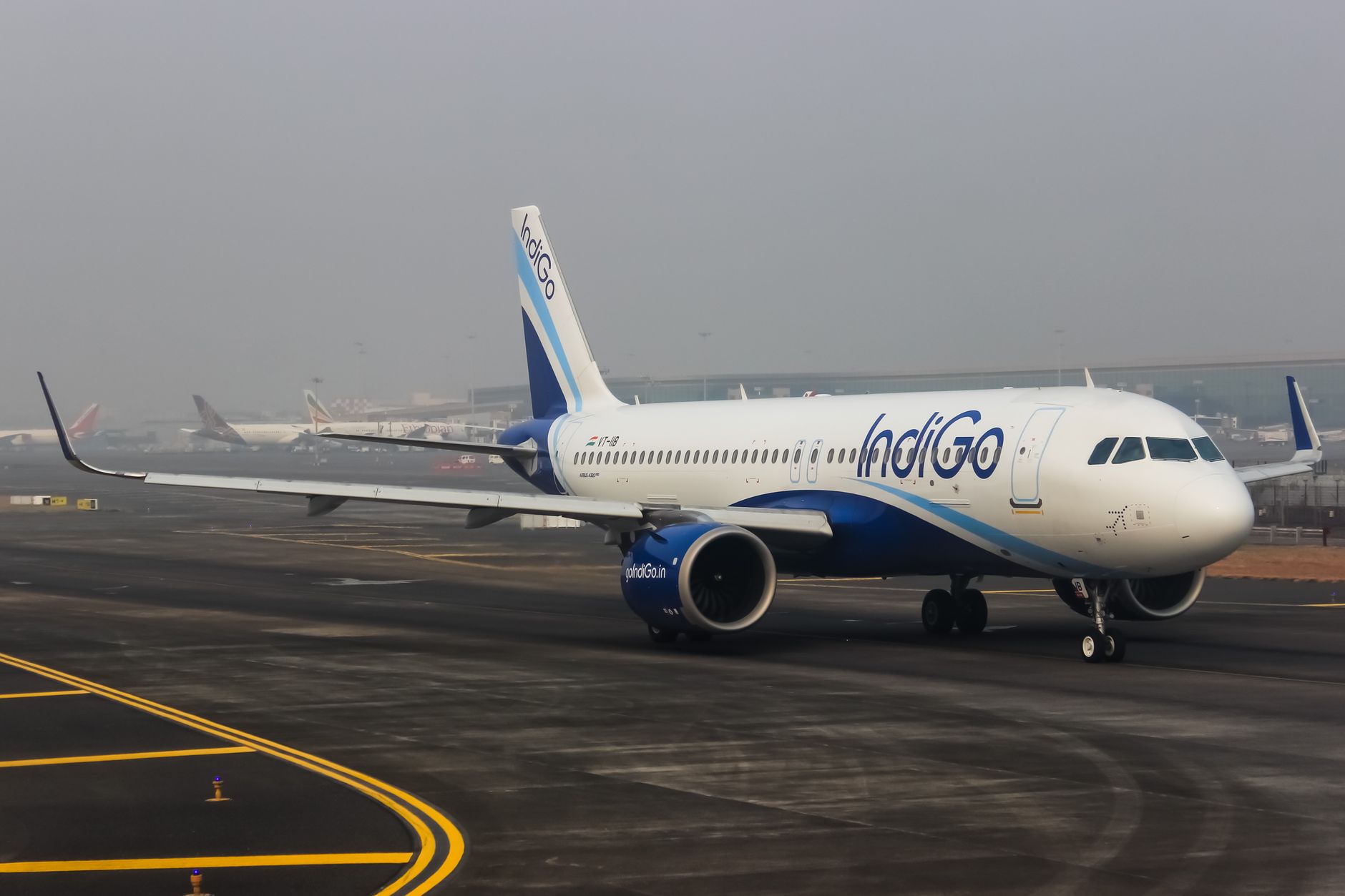
The inauguration of Terminal 2 at Lokpriya Gopinath Bordoloi International Airport in Guwahati represents a watershed moment for Northeast India's aviation sector. IndiGo, the country's largest airline by market share, has commenced operations at the new terminal, signaling a new era of enhanced connectivity for one of India's most culturally diverse yet underserved regions.
A Long-Awaited Infrastructure Upgrade
Guwahati Airport has long served as the primary gateway to Northeast India, handling passengers traveling to and from the seven sister states. The existing terminal had been operating beyond its designed capacity for years, leading to congestion and operational challenges during peak hours. Terminal 2 addresses these bottlenecks with modern facilities, expanded passenger handling capacity, and improved amenities that align with international standards.
The new terminal can accommodate significantly more passengers annually, with reports suggesting a capacity increase that will handle the region's projected growth in air travel over the next decade. This expansion comes at a crucial time when domestic tourism is experiencing a post-pandemic resurgence and Northeast India is gaining recognition as an emerging tourist destination.
IndiGo's Strategic Positioning
IndiGo's decision to shift operations to Terminal 2 reflects the airline's commitment to expanding its footprint in Northeast India. The carrier has been systematically increasing frequencies and routes to destinations across Assam, Arunachal Pradesh, Meghalaya, Manipur, Tripura, Nagaland, and Mizoram. With its reputation for punctuality and affordable fares, IndiGo has become the preferred choice for both business and leisure travelers in the region.
The airline's enhanced operations from Guwahati will likely include improved connectivity to major metros like Delhi, Mumbai, Bangalore, and Kolkata, as well as better inter-regional links. This network expansion is particularly beneficial for business travelers, medical tourists seeking treatment in larger cities, and students commuting to educational institutions outside the Northeast.
Unlocking Northeast Tourism Potential
Northeast India has remained one of the country's best-kept secrets, offering pristine landscapes, unique tribal cultures, adventure tourism opportunities, and biodiversity hotspots. However, limited connectivity and infrastructure have historically constrained tourism growth. The states in this region collectively attract a fraction of the tourists that visit popular destinations like Goa, Rajasthan, or Kerala.
Improved air connectivity through enhanced terminal facilities and increased flight operations can be a game-changer. Tourists can now more conveniently access attractions such as Kaziranga National Park, the living root bridges of Meghalaya, the orchid sanctuaries of Sikkim, and the Majuli river island in Assam. Better connectivity also supports the development of tourism-related businesses, creating employment opportunities for local communities.
Economic Implications for the Region
Aviation infrastructure development has multiplier effects on regional economies. The new terminal is expected to generate direct employment through airline operations, ground handling services, retail outlets, and hospitality services. Indirectly, improved connectivity stimulates sectors like hospitality, tour operations, handicrafts, and agriculture by facilitating easier movement of goods and people.
For Northeast India, which faces geographic isolation due to its location and limited surface transport options, aviation becomes particularly critical. Enhanced air connectivity can attract investment, facilitate business expansion, and integrate the region more closely with India's economic mainstream.
Challenges and the Road Ahead
Despite these positive developments, challenges remain. Airfares to and within the Northeast tend to be higher than comparable routes in other parts of India, partly due to lower passenger volumes and higher operational costs. Weather conditions, particularly during monsoons, can disrupt schedules. Infrastructure development must continue beyond the airport to include better surface connectivity to tourist destinations.
The success of Terminal 2 will depend on sustained efforts by airlines, airport authorities, and state governments to promote the region as a tourist destination. Marketing campaigns, infrastructure improvements at tourist sites, and streamlined permit processes for restricted areas will all contribute to realizing the Northeast's tourism potential.
The collaboration between IndiGo and Guwahati Airport's new infrastructure represents a significant step forward. As passenger numbers grow and the region becomes more accessible, Northeast India may finally claim its place as a major destination on India's tourism map.