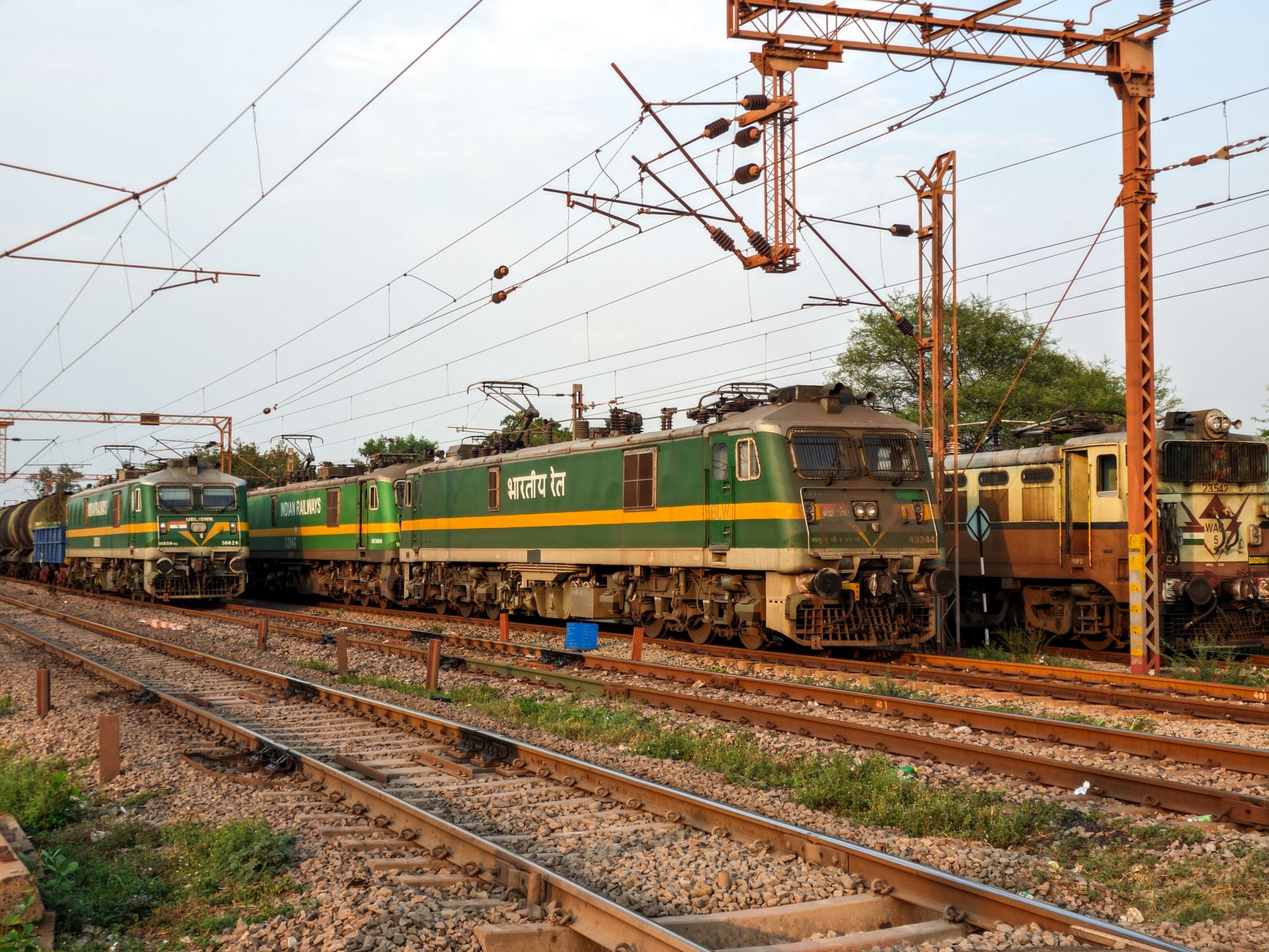
India has taken a major leap toward sustainable transportation with the launch of its first hydrogen-powered train. Developed using indigenous technology, this pioneering initiative represents the country's commitment to reducing carbon emissions while maintaining high-performance standards in public transport. Early users, including train pilots and students, have expressed enthusiasm about the train's zero-pollution operation and impressive acceleration capabilities.
What Makes Hydrogen Trains Different
Hydrogen trains operate using fuel cells that convert hydrogen and oxygen into electricity, producing only water vapor and heat as byproducts. Unlike traditional diesel locomotives that emit harmful pollutants, or even electric trains that depend on grid electricity often generated from fossil fuels, hydrogen trains offer a truly clean alternative for rail transport.
The technology involves storing compressed hydrogen in tanks mounted on the train. This hydrogen is then fed into fuel cells where it undergoes an electrochemical reaction with oxygen from the air. The resulting electricity powers the train's motors, while excess energy can be stored in batteries for additional power during acceleration or climbing gradients.
Performance That Impresses
One of the most significant advantages reported by pilots is the train's excellent pickup or acceleration. Hydrogen fuel cells can deliver power quickly and efficiently, allowing the train to reach operational speeds smoothly. This responsiveness is comparable to electric trains and superior to traditional diesel engines, which often require longer acceleration times.
The instant torque delivery characteristic of electric motors powered by hydrogen fuel cells means passengers experience smoother rides with less noise and vibration. For daily commuters and students using these trains, this translates to a more comfortable travel experience.
Indigenous Technology Development
The development of hydrogen train technology within India represents a significant achievement in self-reliance and technological innovation. By leveraging domestic expertise and manufacturing capabilities, India reduces dependence on imported technology while creating opportunities for local industries and skilled workers.
This indigenous development also means the technology can be customized to suit India's specific railway infrastructure and operational requirements. The country's vast railway network, which serves millions of passengers daily, presents both a challenge and an opportunity for implementing sustainable transportation solutions at scale.
Environmental Impact
The zero-pollution aspect of hydrogen trains cannot be overstated. India's cities face severe air quality challenges, with vehicular and industrial emissions contributing significantly to urban pollution. Transportation accounts for a substantial portion of carbon emissions globally, and rail transport, despite being more efficient than road transport, still relies heavily on diesel in many regions.
Key environmental benefits include:
- Zero carbon dioxide emissions at the point of use
- No particulate matter or nitrogen oxide emissions
- Reduced noise pollution compared to diesel engines
- Water vapor as the only emission from fuel cells
- Potential for using renewable energy sources to produce green hydrogen
Challenges and Considerations
While the launch is promising, several challenges remain for widespread adoption of hydrogen trains. Hydrogen production, storage, and distribution infrastructure require significant investment. Currently, most hydrogen is produced from natural gas through a process called steam methane reforming, which itself generates carbon emissions. The true environmental benefit comes from using green hydrogen produced through electrolysis powered by renewable energy sources.
The cost of fuel cells and hydrogen storage systems remains relatively high compared to conventional diesel technology. As production scales up and technology matures, these costs are expected to decrease, making hydrogen trains more economically viable for mass deployment.
Future Implications
India's hydrogen train launch could catalyze similar initiatives across the country and inspire other developing nations to explore sustainable rail transport options. The railway sector's modernization aligns with India's broader climate commitments and its National Hydrogen Mission, which aims to make the country a global hub for hydrogen production and utilization.
For students and young professionals, this development opens new career opportunities in clean energy technology, railway engineering, and sustainable transportation planning. Educational institutions may increasingly focus on hydrogen technology and fuel cell engineering to meet the growing demand for skilled professionals in this sector.
The success of this initial deployment will likely determine the pace of future expansion. If hydrogen trains prove reliable, cost-effective, and scalable, they could eventually replace diesel locomotives on non-electrified routes, significantly reducing India's transportation sector emissions while maintaining the efficiency and connectivity that millions depend on daily.