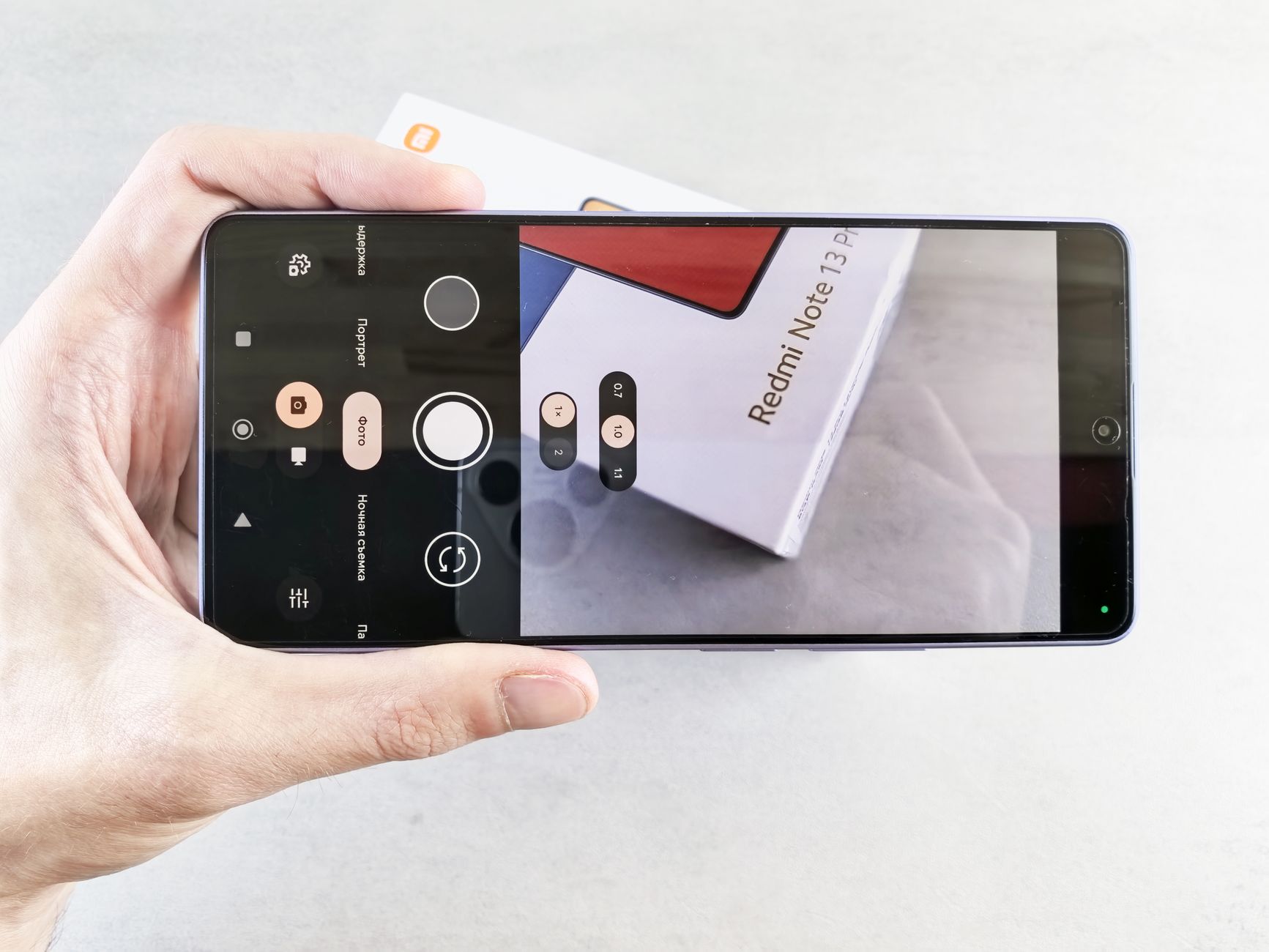
Xiaomi is set to expand its affordable smartphone lineup in India with the launch of the Redmi A7 Pro 5G today. This device marks a significant milestone as it aims to make 5G technology accessible to budget-conscious consumers, continuing the brand's tradition of delivering value-packed devices at competitive prices.
Making 5G Affordable
The Redmi A series has traditionally targeted first-time smartphone buyers and users seeking basic functionality at minimal cost. The addition of 5G connectivity to this entry-level series represents a strategic move by Xiaomi to democratize next-generation mobile technology. As 5G networks continue to expand across India, having an affordable 5G-capable device becomes increasingly important for consumers who want future-proof purchases without breaking the bank.
The A7 Pro 5G is expected to be one of the most affordable 5G smartphones in the Indian market, potentially opening up high-speed mobile internet to millions of users who previously found 5G devices beyond their budget.
Display and Design
The Redmi A7 Pro 5G is anticipated to feature a large display, likely in the 6.5 to 6.7-inch range, which has become standard for modern smartphones across all price segments. The device will probably sport an HD+ or Full HD+ resolution, offering decent visual quality for everyday tasks like browsing, social media, and video streaming.
Design-wise, the phone is expected to follow Xiaomi's recent aesthetic language with a minimalist approach. The device will likely feature a waterdrop notch or punch-hole cutout for the front camera, keeping bezels relatively slim to maximize screen real estate.
Processing Power and Performance
To keep costs low while offering 5G connectivity, the A7 Pro 5G will likely be powered by an entry-level 5G chipset. Options could include MediaTek's Dimensity 6000 series or a similar budget-oriented processor that balances 5G capability with power efficiency.
RAM configurations are expected to start at 4GB, possibly with virtual RAM expansion technology that borrows storage space to boost multitasking performance. Storage options will likely include 64GB and 128GB variants, with support for microSD card expansion to accommodate users who need additional space for photos, videos, and apps.
Camera Capabilities
Budget smartphones have made remarkable strides in camera technology, and the Redmi A7 Pro 5G should offer a dual or triple camera setup on the rear. The primary sensor will likely range between 13MP and 50MP, adequate for capturing decent photos in good lighting conditions.
Additional sensors may include a depth sensor for portrait mode effects and possibly a macro lens for close-up photography. The front-facing camera will cater to selfie enthusiasts and video calling needs, probably featuring an 8MP or higher resolution sensor.
Battery and Charging
Battery life is crucial for budget smartphone users, and the A7 Pro 5G is expected to pack a substantial battery, likely in the 5000mAh range. This capacity should easily provide a full day of usage under normal conditions.
Charging speeds will probably be modest, with support for 10W or 18W charging. While not the fastest in the market, this is standard for the entry-level segment where cost optimization is paramount.
Software Experience
The device will run on MIUI or the newer HyperOS interface based on Android. Xiaomi has been working to streamline its software experience, reducing bloatware and improving performance even on budget hardware. Users can expect access to essential Google services and the Play Store, along with Xiaomi's suite of additional features.
Pricing Strategy
While official pricing will be revealed at launch, the Redmi A7 Pro 5G is expected to be priced aggressively to compete with other budget 5G offerings from brands like Realme, Samsung, and Poco. The starting price could fall in the range of Rs 8,000 to Rs 10,000, making it an attractive proposition for value seekers.
Market Impact
The launch of affordable 5G devices like the Redmi A7 Pro 5G accelerates India's transition to 5G technology. As network infrastructure continues to improve and 5G becomes more accessible, devices at this price point will play a crucial role in bringing advanced connectivity to tier-2 and tier-3 cities across the country.